How Specialists Treat Damage Inside Your Joints
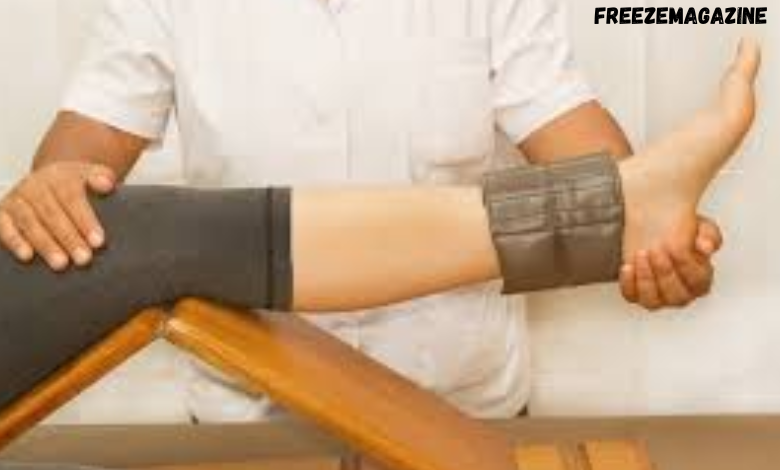
Joint pain has a way of sneaking into daily life. It can start as a dull ache during a walk or a sharp pain when bending to reach something. Over time, that discomfort can start to change how you move, how you sleep, and even how you feel about staying active.
Whether it comes from an old injury, arthritis, or simple wear and tear, joint damage isn’t something to ignore. Inside those joints are delicate layers of cartilage that help bones glide smoothly. When that cartilage wears down or becomes damaged, movement becomes painful and stiff. That’s when people often seek a specialist for cartilage treatment for guidance and relief.
These specialists don’t just look at your pain, they focus on what is happening beneath the surface. They use imaging, science, and medical skills to restore what’s been lost and help you move with less pain again.
Understanding Joint Damage
Inside every joint, cartilage acts like a soft cushion between bones. It protects the ends of those bones and allows movement without friction. But when cartilage gets injured, it doesn’t heal the way skin or muscle does. This makes joint injuries complex and often frustrating.
The Role of Cartilage in Everyday Life
Cartilage may seem small, but it does a big job. Every time you walk, climb stairs, or stretch your arms, cartilage keeps your bones from grinding together. When it thins out, movements that used to feel natural can start to hurt. Over time, that small problem can lead to joint stiffness or even arthritis.
Doctors take your symptoms seriously because even minor damage can affect daily life. Understanding where the pain starts helps them decide if the problem comes from cartilage tears, inflammation, or the bone beneath it.
Common Causes of Cartilage Damage
Cartilage damage doesn’t always come from a dramatic accident. It can appear slowly through years of repeated motion. Athletes, older adults, and those with physically demanding jobs are at higher risk, but even active individuals can develop small tears without knowing it.
In other cases, a single injury can trigger lasting problems. A knee twist during sports or a fall on a hard surface may seem minor at first but can lead to gradual joint damage over time. Once that smooth tissue is gone, it rarely grows back the same way.
When Cartilage Stops Healing
Unlike most body tissues, cartilage doesn’t have a steady blood supply. Without blood flow, its cells can’t easily regenerate. That’s why resting alone often doesn’t fix the problem. Specialists turn to advanced treatments to restore or replace the damaged tissue and give the joint another chance to move freely again.
How Specialists Repair Joint Damage
Every patient’s case is different. Specialists combine detailed scans, physical exams, and patient history to design a plan that not only treats the pain but also repairs what’s possible on the inside.
Non Surgical Treatment Options
The first line of care often focuses on reducing pain and inflammation. These can include physical therapy, specialized exercises, and injections designed to support joint lubrication or reduce inflammation. Treatments like platelet rich plasma (PRP) or stem cell therapy are sometimes used to support the body’s natural healing response.
Losing extra weight, improving posture, or changing movement patterns can help reduce strain on painful joints. These small but consistent steps often support long term recovery.
Surgical Repair and Replacement
When damage runs deeper, surgery can become the next step. Techniques such as microfracture or cartilage grafting aim to stimulate repair or replace damaged tissue. In more advanced cases, partial or full joint replacement might be considered.
Though the idea of surgery can sound intimidating, modern advances have made procedures far less invasive than they once were. Many patients experience shorter recovery times and improved outcomes due to advances in surgical techniques and materials.
Recovery and Long Term Care
After treatment, specialists focus on strengthening the surrounding muscles and supporting joint stability. Physical therapy plays a big role in regaining strength, flexibility, and confidence. The goal is to help the patient return to their daily routines feeling steadier and supported.
Healing doesn’t happen overnight. Progress often comes in small, encouraging steps. With patience and consistent care, most people notice gradual improvement in comfort and mobility.
The Future of Joint Repair
Medical research continues to push the boundaries of what’s possible for joint health. New regenerative techniques aim to improve the body’s ability to repair cartilage. Scientists are also looking into custom biologic implants and advanced scaffolds that might one day make full cartilage restoration a reality.
Personalized Medicine and Modern Imaging
Today’s specialists use advanced imaging tools that can spot cartilage injuries in earlier stages. Detailed scans help them tailor treatments that match each patient’s body and lifestyle. Rather than a one size fits all approach, they focus on precision, treating both the joint and the individual.
Early intervention makes a significant difference. When problems are caught sooner, treatments tend to be more effective, reducing the risk of further damage and the need for major procedures.
Staying Active, Staying Hopeful
Joint issues can take away simple joys like morning walks or time with family. But with modern medicine, many people are able to regain those activities. Specialists today emphasize movement rather than restriction. The goal isn’t just to fix the joint but to restore confidence in movement.
Pain doesn’t have to define the day. Many who once struggled to move comfortably now return to active lifestyles, thanks to personalized care and ongoing innovation in joint treatment.
Moving Forward with Care
Joint damage can feel discouraging at first, but treatments continue to improve every year. What once meant living with constant pain now often leads to lasting relief. People who take early action and work closely with experts often experience the best results.
If joint pain is limiting everyday life, seeking professional advice is an important step. Beneath every step, stretch, or gesture, your joints work hard for you. Giving them proper care today can help you move with strength, confidence, and ease for years to come.










Post Comment