Exercises That Support Healthy Joints as You Age
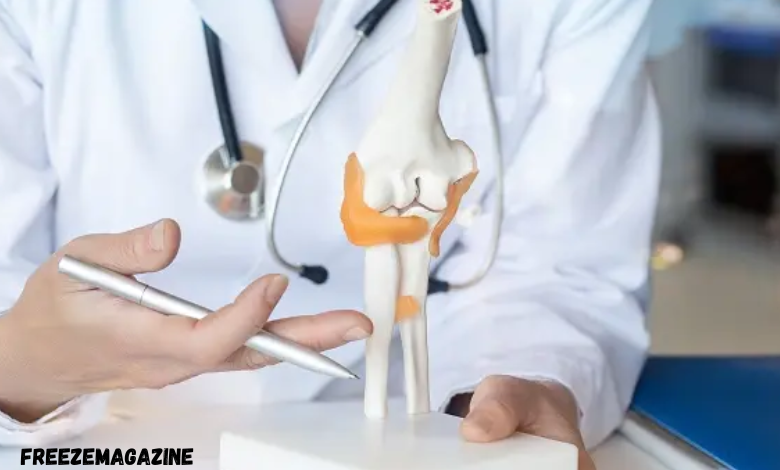
Aging is something everyone experiences, but how we move through that process can look very different from one person to another. For many, the small aches and stiffness that begin to appear signal that the joints are asking for a little extra care. Staying active becomes both a way to maintain independence and a way to support future well being.
It isn’t about pushing the body to its limits but about moving in ways that support strength and flexibility. Regular, thoughtful activity can help preserve joint function, reduce discomfort, and support mental wellbeing. It’s never too late to start giving your joints the attention they deserve.
Whether guided by a fitness coach, a physiotherapist, or specialists at an orthopaedic specialist in Singapore, the right exercises can make a lasting difference. Gentle but consistent effort is often what keeps mobility intact and allows aging adults to enjoy the activities they love with less pain and more freedom.
Low Impact Movement for Lifelong Mobility
Staying active does not have to mean intense workouts or heavy lifting. The key is choosing exercises that are both comfortable and supportive of joint function. Low impact movements can build stability around the joints while reducing unnecessary strain.
Walking: The Simple Foundation
Walking remains one of the simplest yet most beneficial forms of physical activity. It helps improve circulation, keep cartilage nourished, and maintain a healthy weight, which reduces stress on the knees and hips. A daily stroll, even for 20 to 30 minutes, can help improve joint lubrication and strengthen supporting muscles.
For individuals who struggle with balance or mobility concerns, starting slowly and choosing flat, even surfaces can make a big difference. Supportive shoes and proper posture can help reduce stress on the joints during movement, allowing walking to be enjoyable rather than strenuous.
Swimming and Water Aerobics
Exercising in water provides both resistance and buoyancy, which helps protect the joints while building muscle strength. The water supports body weight, relieving pressure on the knees, hips, and spine. At the same time, it engages muscles without placing excess strain on the joints.
Water aerobics, simple laps, or even light pool exercises can help increase flexibility and endurance. Many people find that working out in the water feels refreshing and calming, making it easier to stick to a consistent routine.
Cycling for Gentle Strength
Cycling, whether on a stationary bike or outdoors, supports joint mobility by encouraging a smooth range of motion without impact. It strengthens the quadriceps and hamstrings, which are essential for knee stability and overall leg function.
For those who haven’t cycled in a while, starting with short sessions at low resistance is best. Proper bicycle fit is important too, as seat height and posture affect how pressure is distributed across the knees and hips. Over time, cycling can help improve stamina while keeping joints flexible and pain free.
Building Strength and Balance
Strong muscles provide better protection for joints, helping reduce overall strain. Balance and stability training are equally important to prevent falls and improve coordination, both of which become increasingly important with age.
Resistance Training for Support
Light resistance training helps preserve muscle mass and support bone strength around the joints. Using resistance bands, light weights, or even bodyweight exercises can make a real difference in maintaining balance and stability. The focus should always be on slow, controlled movements rather than speed or heavy loads.
For example, simple squats, side leg raises, or seated arm lifts build supportive strength around frequently affected areas like knees, hips, and shoulders. These exercises also encourage better posture, which supports overall comfort during daily activities.
Flexibility and Mobility Work
Stretching is often underestimated but plays a crucial role in maintaining joint health. Gentle stretching improves range of motion, eases stiffness, and supports circulation to cartilage and ligaments. It can also make everyday movements, like reaching or bending, feel easier and more natural.
Incorporating short stretching sessions at the beginning and end of each workout can prevent injury and promote relaxation. Yoga and Pilates are particularly supportive for maintaining flexibility while developing strength in the core, shoulders, and back. They also incorporate mindful breathing, which supports relaxation and controlled movement.
Mindful Movement for Lasting Comfort
Beyond physical strength, joint health also depends on being attentive to how the body feels. Mindful exercise helps individuals recognize early signs of tension or fatigue and adjust accordingly. This awareness reduces the risk of injury and prolongs movement comfort over time.
The Role of Posture and Alignment
Good posture reduces unnecessary pressure on joints and ensures that muscles share movement demands more evenly. Whether walking, lifting weights, or sitting at a desk, alignment matters. Core exercises such as planks or gentle seated twists help build the muscles that support the spine, reducing strain during daily activities.
Maintaining alignment during movement protects sensitive areas such as the knees, which are particularly vulnerable to misalignment related stress. Even small adjustments, like standing tall or engaging the core while walking, contribute to better joint health.
Listening to the Body
Every person’s body has its own rhythm and limits. Paying attention to signals like discomfort, swelling, or fatigue can help prevent overuse and support recovery. Strain or sharp pain is usually a sign that rest or modification is needed. Rest days allow the joints and muscles to repair, reducing the risk of long term injury.
Integrating light recovery activities such as breathing exercises, gentle stretching, or meditation supports overall recovery and balance. This approach promotes balance between activity and rest, both of which are essential for sustainable wellness.
A Balanced Path Toward Joint Wellness
Healthy joints are the foundation of a fulfilling, active life. The best way to protect them is with consistent, low impact movement, strong muscles, and greater body awareness. It’s a process that relies on patience, self care, and understanding what the body needs as it changes with time.
For many, small, sustained efforts lead to meaningful improvements, fewer aches, steadier steps, and more enjoyable days ahead. And when in doubt, seeking guidance from professionals who understand the body’s structure and movement can bring personalized insight. By committing to gentle exercise and mindful habits, aging adults can preserve mobility and continue doing the things that bring joy, comfort, and independence.









Post Comment