Why Structural Safety Is More Important Than Ever in Home Renovations
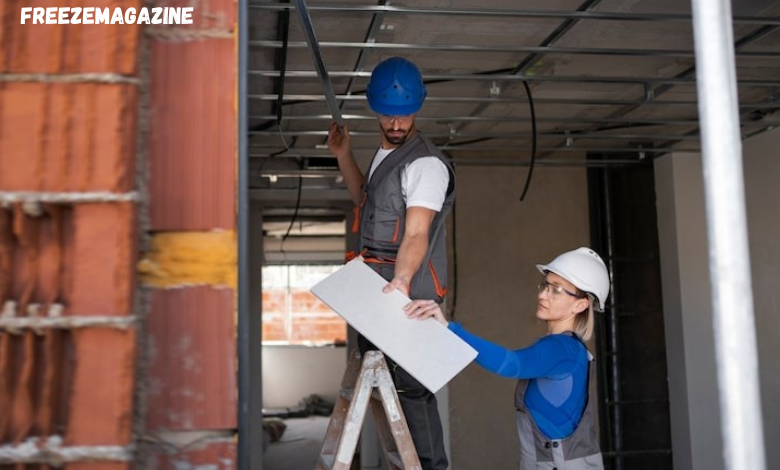
Home renovations have become more popular than ever across the UK. Rising property prices, changing family needs, and the desire to make better use of existing space have encouraged many homeowners to improve rather than move. From loft conversions and rear extensions to open-plan redesigns and full internal refurbishments, renovation projects are now a major part of modern housing. But while design trends often focus on style, layout, and finish, one issue matters far more than appearance alone: structural safety, notes Draper Realty specialists.
Structural safety is the foundation of any successful renovation. Without it, even the most attractive home improvement can lead to serious problems, including cracks, sagging floors, unstable walls, water damage, or, in severe cases, structural failure. As renovation projects become more ambitious, the importance of proper engineering has increased significantly. Modern homeowners are asking for larger spaces, fewer internal walls, wider openings, and more natural light. These features look impressive, but they often require major structural changes that must be carefully assessed and designed.
Renovations Change More Than Just the Look of a Home
Many people think of renovation as a visual upgrade. They imagine a bigger kitchen, a brighter loft room, or a more open living area. In reality, most meaningful renovations affect how a building carries weight and distributes loads. When walls are removed, openings are widened, or extra floors are added, the structure of the home changes. These are not just cosmetic updates. They directly affect the stability and performance of the property.
That is why structural safety should never be treated as an afterthought. Even a simple layout change can alter load paths within the building. A wall that appears minor may actually support part of the roof or upper floor. A loft conversion may place new pressure on the existing floor structure. An extension may require new foundations that interact properly with the original building. These are technical matters that need professional input from the start.
Why Older Homes Need Even More Care
A large number of UK renovation projects involve older homes. These properties often have character and charm, but they can also come with hidden structural weaknesses. Timber may have aged, foundations may not match modern expectations, and previous alterations may not have been carried out to the right standard. In some cases, homeowners begin renovations only to discover cracks, uneven settlement, or support elements that were never designed for the new load.
This makes structural assessment especially important before work begins. A qualified engineer can inspect the property, review the renovation plans, and identify what support is needed to keep the building safe. This process helps avoid dangerous assumptions and reduces the chance of expensive corrective work later. In renovation projects, what you cannot see is often more important than what you can.
Open-Plan Living Creates Structural Challenges
One of the biggest home renovation trends in recent years has been open-plan living. Homeowners want kitchens, dining spaces, and living rooms to flow together without too many dividing walls. This can create a brighter and more spacious feel, but it often requires the removal of load-bearing walls or the installation of larger openings between rooms.
When these structural elements are changed, the loads that were once supported by walls must be redirected through beams, columns, or other reinforcements. This is where a Structural Engineer for Loft and Extension Designs become essential. Their job is to calculate the required supports, specify the right structural system, and ensure that the renovation remains safe and compliant. Without this expertise, an open-plan conversion can become a major structural risk rather than a valuable upgrade.
Extensions and Loft Conversions Need Proper Engineering
Extensions and loft conversions are among the most popular ways to add space and value to a home. They allow families to create extra bedrooms, home offices, larger kitchens, or more flexible living areas without the cost of relocating. But both types of projects place new structural demands on the property.
A loft conversion may require strengthening the floor, adjusting roof elements, and ensuring that the building can handle the extra load. A house extension may need new foundations, steel beams, wall supports, and proper integration with the original structure. These are not areas where guesswork is acceptable. A London Structural Engineer for House Extensions can assess how the existing property behaves and designs the structural solution that makes the extension safe, practical, and ready for approval.
In cities and built-up areas, where space is limited and neighbouring properties may be close, the importance of professional structural planning becomes even greater. Renovation work must consider not only the property itself but also how changes might affect adjoining buildings and shared structural conditions.
Safety Is About More Than Avoiding Collapse
When people hear the phrase structural safety, they often think only of extreme failures. In reality, structural safety also means ensuring that a home performs properly in everyday use. A renovation should not result in bouncing floors, doors that no longer close correctly, cracking plaster, or water penetration caused by movement. These are all signs that a structure may not have been properly assessed or supported.
Safe structural design improves comfort, durability, and long-term property value. It helps prevent small issues from turning into major repairs. It also protects the homeowner from legal, financial, and insurance complications that can arise when renovation work is carried out without proper engineering input.
Compliance and Peace of Mind Matter More Than Ever
Building regulations in the UK are strict for a reason. Renovation projects that involve structural changes must meet the right standards for safety and compliance. Structural engineers provide the calculations, drawings, and technical documentation needed to support approvals and demonstrate that the work has been properly designed.
This is especially important today because home renovations are more complex than ever. Clients want modern spaces, energy efficiency, larger openings, and multi-use layouts, all within existing buildings that may not have been designed for those changes. Professional structural input helps bridge that gap between ambition and reality.
Just as importantly, it gives homeowners peace of mind. Renovating a home is a major financial and emotional investment. Knowing that the structure has been properly assessed and designed makes the process far safer and more secure.
Conclusion
Structural safety is more important than ever in home renovations because modern renovation goals often involve major changes to the way a property works. Open layouts, loft conversions, rear extensions, and full internal redesigns may improve the home visually and functionally, but they also introduce structural complexity that must be managed correctly.
Whether the project requires a Structural Engineer for Loft and Extension Designs or a London Structural Engineer for House Extensions, professional engineering support is essential. It protects the building, supports compliance, reduces risk, and ensures that the finished renovation is not only attractive but also safe, strong, and built to last.










Post Comment