Why Point of Sale Systems Are Becoming Retail Command Centers
What Happens When a Cash Register Starts Running the Entire Store?
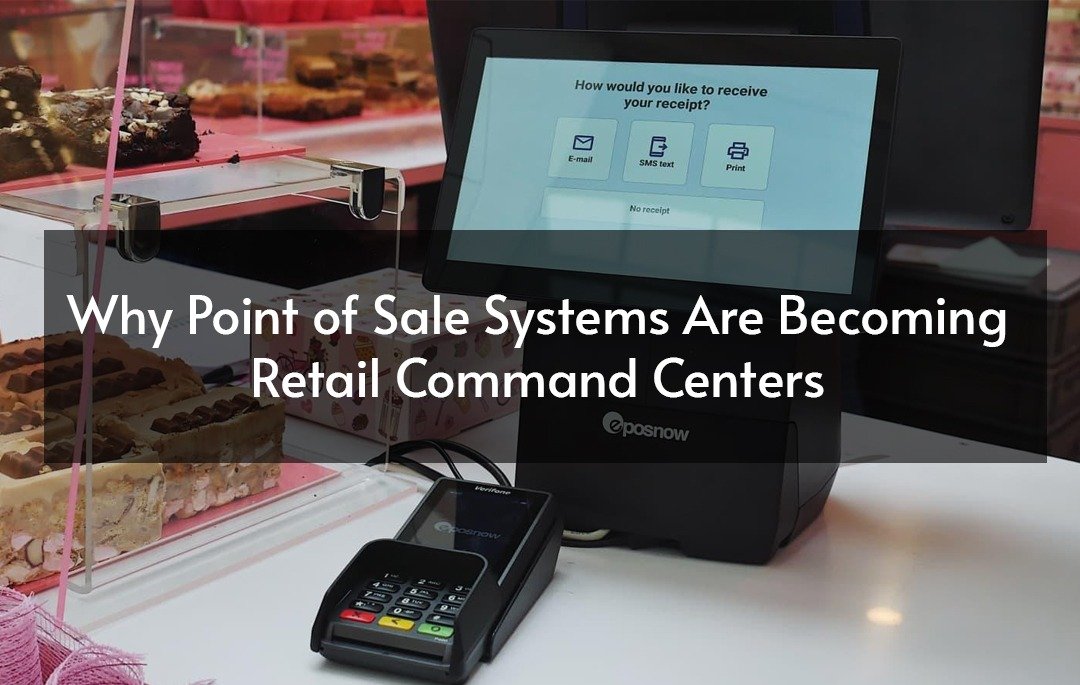
Many store owners once viewed the Point of Sale Systems setup as nothing more than a machine for handling payments. It sat near the checkout counter, printed receipts, and helped employees complete sales. That view has changed very fast. Modern retailers now expect much more from their systems because daily business operations have become harder to manage. Inventory moves quickly, customer expectations continue to rise, and staff coordination takes more time than before. Retail owners no longer want separate tools for every task because disconnected systems create delays and confusion across the business. This shift explains why platforms such as Epos Now continue gaining attention among growing retailers that need more control, visibility, and operational balance from one central system.
That shift is changing how modern retailers manage daily operations, customer experiences, inventory, and business decisions from one central system. Let’s explore why Point of Sale Systems platforms are now becoming the command centers of modern retail businesses.
Retail Decisions Now Depend on Real-Time Visibility
Retail businesses move faster than they did a few years ago. Customers expect smooth service, fast checkout, and accurate stock information every single day. A business owner cannot wait until the end of the week to understand what happened inside the store. They need live information that helps them respond immediately. Modern point-of-sale systems now provide much more than transaction records because they connect sales, stock levels, employee activity, and customer patterns inside one dashboard. This gives store owners a clearer picture of daily operations without checking multiple systems manually.
A modern retail setup now works like a control room where managers can identify problems early, track store performance, and react before small issues become expensive business mistakes.
Stores Are Replacing Separate Tools With Unified Systems
Many retailers previously relied on different platforms for payments, inventory, employee management, and customer communication. Over time, this created operational confusion because information stayed trapped inside disconnected systems. Teams wasted time switching between software while managers struggled to maintain accuracy across the business. Retailers now prefer connected systems that centralize important operations inside one platform.
This change became more visible because unified systems can now handle:
- inventory tracking
- customer purchase history
- employee access controls
- sales reporting
- supplier coordination
This level of connection improves daily speed and reduces avoidable mistakes. Strong App integrations for business systems also help retailers connect e-commerce stores, accounting tools, and delivery services without building a complicated technology stack that employees struggle to understand.
Retail Leaders Want Faster and Smarter Decisions
Retail owners no longer focus only on selling products. They now focus on operational speed, customer behavior, and business forecasting. Small delays in reporting can affect staffing decisions, inventory planning, and customer service quality. Modern Point of sale systems now support faster decision-making because they collect information from every corner of the business in real time. Instead of relying on assumptions, store managers can review trends and act immediately.
Several important areas benefit from centralized retail data:
- fast-moving product tracking
- low stock alerts
- peak sales hour analysis
- employee performance visibility
- location-based comparisons
This level of insight helps businesses respond with confidence. Strong Retail business management now depends on visibility, not guesswork. Retailers that fail to centralize information often struggle with slow reactions and inconsistent operations across locations.
Customer Relationships Have Become Part of Daily Operations
Modern retail businesses no longer treat customer service as a separate department. Customer experience now influences every sale, every visit, and every long-term business decision. This explains why retailers want systems that help employees understand customer preferences quickly. Modern POS platforms can store purchase history, shopping patterns, and customer activity inside one connected profile. Employees can use this information to provide more personalized service without slowing down the checkout process.
Retailers now use centralized customer information to support:
- loyalty rewards
- targeted promotions
- repeat purchase tracking
- customer preferences
- personalized communication
This shift shows how Customer relationship management has become directly connected to modern retail operations. Businesses that understand customer behavior clearly can build stronger loyalty while improving customer satisfaction without relying on complicated manual processes.
Payment Technology Now Shapes Store Efficiency
Checkout speed now affects the entire customer experience. Long payment delays frustrate customers and create pressure on employees during busy hours. Retail businesses, therefore, expect modern systems to support multiple payment methods while maintaining speed and reliability. POS platforms today do far more than process card transactions because they also help businesses track payment trends, reduce errors, and improve financial visibility.
Modern retailers now expect support for:
- contactless payments
- digital wallets
- online payment links
- split payment methods
- centralized payment reporting
Reliable Payment processing technology helps stores maintain smoother operations while reducing friction during checkout. Faster transactions improve customer flow, especially during peak shopping hours. Retail owners also gain better financial oversight because payment information stays connected to inventory, reporting, and sales activity inside one system.
Staff Coordination Is Now a Daily Business Priority
Retail operations often fail because communication between employees becomes inconsistent. Managers may struggle with scheduling conflicts, unclear responsibilities, or sudden staffing shortages during busy periods. Modern POS platforms now help solve these issues because staff management tools remain connected to daily store activity. Managers can review employee hours, track productivity, and organize schedules from one central dashboard.
This operational support improves several important areas:
- shift planning
- employee accountability
- access permissions
- sales tracking by employee
- labor cost visibility
Better Staff scheduling and management create smoother store operations because managers gain stronger visibility into team performance. Employees also work more efficiently when expectations are clear and schedules are organized. Strong staff coordination now plays a major role in overall retail performance and customer experience.
Retail Command Centers Will Continue Expanding
Retail businesses continue facing pressure from rising customer expectations, labor challenges, and operational complexity. This means POS platforms will continue evolving far beyond traditional checkout systems. Future retail environments will rely heavily on centralized operational control because business owners need faster responses, stronger visibility, and fewer disconnected systems. The role of the POS system now reaches inventory management, employee coordination, payment oversight, customer relationships, and business reporting at the same time.
Retailers that still rely on outdated systems often struggle with:
- slow reporting
- disconnected workflows
- operational confusion
- inventory mistakes
- delayed decision making
Modern businesses now understand that efficient operations require centralized visibility. This explains why POS systems have become the operational foundation for many growing retail brands across multiple industries.
One System, Smarter Retail
Retail businesses no longer need systems that only process transactions. They need platforms that support daily decisions, simplify operations, and improve visibility across the store. That shift explains why many retailers now treat POS systems as the control center behind modern business growth.
Epos Now reflects this shift by offering tools that connect payments, reporting, inventory, and staff operations inside one platform. Its flexible structure supports businesses that want stronger operational control without adding unnecessary complexity.
As retail operations continue evolving, centralized systems will likely become one of the most important tools for long-term business stability and growth.







Post Comment