The Connection Between Grooming And General Veterinary Care
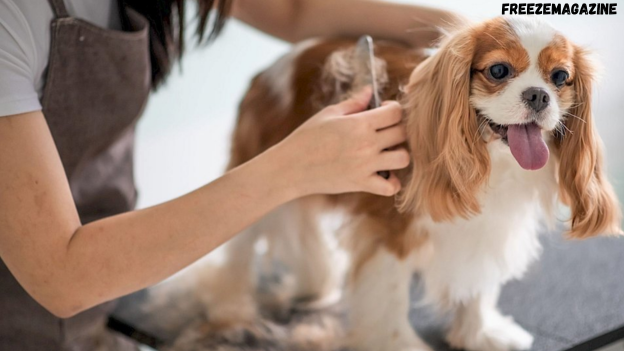
Grooming is not only about appearance. It protects your pet’s health in quiet but powerful ways. Regular baths, nail trims, ear cleaning, and brushing help you spot small problems before they grow into serious pain. You may see a new lump, a red patch, or a change in your pet’s behavior. Each sign is a warning that deserves quick attention. Early care lowers suffering and keeps treatment simple. Routine grooming also supports the work of your veterinarian in West Grove. Clean skin, clear ears, and trimmed fur help the doctor see and touch what matters during an exam. That means better answers and faster help for your pet. When you link grooming with regular checkups, you create a steady shield for your pet’s health. This connection is strong, and your daily choices shape it.
Why Grooming Is Part Of Health Care
You might think of grooming as a bath and a brush. It is more than that. Grooming is a regular health check that you carry out at home. Each time you touch your pet, you collect clues about comfort, pain, or sickness.
During grooming, you can:
- See changes in skin, fur, nails, teeth, and eyes
- Notice new smells from ears or mouth
- Feel bumps, scabs, or swollen spots
These clues guide you to seek care before a crisis. Early care often means fewer tests, shorter treatment, and less stress for your pet.
How Grooming Supports The Veterinary Exam
A clean pet is easier to examine. Your veterinarian can see the skin, feel muscles, and check joints without thick mats or heavy dirt in the way. This improves every part of the visit.
Grooming supports the exam by:
- Exposing rashes, bites, or sores that might hide under long fur
- Keeping nails short so your pet can walk in a normal way during a gait check
- Reducing odor so staff focus on signs of sickness, not dirt or waste
The American Veterinary Medical Association explains that regular grooming helps control skin disease and ear disease and helps detect health changes early.
Key Grooming Tasks And What They Reveal
| Grooming task | What you might notice | When to call the vet |
|---|---|---|
| Brushing fur | Hair loss, scabs, fleas, ticks, dandruff | Patchy hair, many parasites, bleeding, or open sores |
| Bathing | Red skin, odor, greasy coat, pain when touched | Skin that stays red, smells strong, or seems painful |
| Nail trimming | Cracked nails, nails curling into pads, limping | Bleeding that will not stop or a sudden change in how your pet walks |
| Ear cleaning | Brown or yellow discharge, strong smell, head shaking | Thick discharge, swelling, or clear signs of pain when you touch the ear |
| Tooth brushing | Bad breath, red gums, loose teeth, trouble chewing | Drooling, blood, or refusal to eat hard food |
Grooming Frequency And Health Benefits
Every pet is different. Still, a simple pattern can guide you.
| Grooming activity | Typical frequency | Main health benefit |
|---|---|---|
| Brushing | Many pets need brushing several times per week | Prevents mats and lets you see skin changes fast |
| Bathing | Often every 4 to 8 weeks unless your vet says more often | Removes dirt and allergens and helps with some skin problems |
| Nail trimming | About every 3 to 6 weeks | Prevents pain, broken nails, and joint strain |
| Ear cleaning | Often once per week for pets with problem ears | Lowers the chance of ear infection |
| Tooth brushing | Daily is best | Reduces gum disease and tooth loss |
The U.S. Centers for Disease Control and Prevention notes that healthy, clean pets lower the risk of germs that pass from animals to people.
When Grooming Shows A Medical Problem
There are times when grooming reveals something that is not normal. You might notice sudden fear of touch, new aggression, or heavy scratching. You might see blood, pus, or a great change in smell.
Call your veterinarian if you see:
- Rapid hair loss or many bald spots
- Thick crusts, oozing sores, or dark changes in skin color
- Repeated head shaking, ear redness, or strong ear odor
- Loose teeth, gray gums, or clear pain when chewing
- Nails that break often or grow in a twisted way
Quick action protects comfort and can prevent long-term damage.
Working With Your Veterinarian On A Grooming Plan
You do not need to guess. You and your veterinarian can build a grooming plan that matches your pet. The plan should cover three simple points.
- What you should do at home
- How often you should groom
- When you should stop and seek care
During wellness visits, ask your veterinarian to:
- Show you how to trim nails and clean ears in a safe way
- Recommend shampoos, brushes, and tooth care products that fit your pet
- Explain which signs during grooming need same-day care
Building A Routine That Protects Your Pet
Grooming and general veterinary care work together. One supports the other. Your hands find the changes. Your veterinarian confirms what they mean and treats what is wrong. With a steady routine, you give your pet comfort, safety, and a calmer life.
You do not need special tools. You need time, attention, and a plan. Start with short grooming sessions. Watch for changes. Speak up during each vet visit. Over time, grooming becomes a quiet safety check that protects the pet who trusts you.






Post Comment