3 Key Benefits Of In House Pharmacy Services At Animal Hospitals
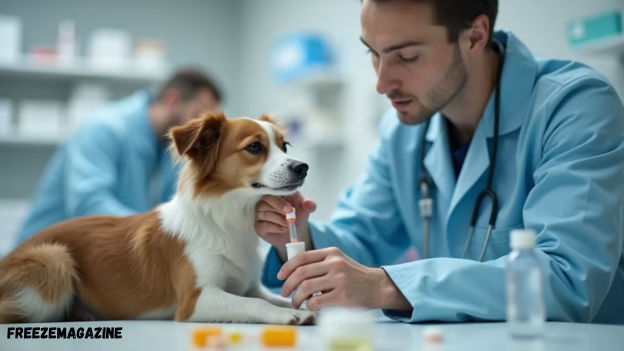
When your pet needs care, waiting for medicine can feel harsh and unfair. In house pharmacy services at animal hospitals remove that wait. You leave with the exact medicine your pet needs. You get clear instructions from the same team that just examined your pet. You avoid extra trips, long lines, and confusion at outside pharmacies. This support matters most during crisis visits, late night emergencies, or chronic illness. A downtown Hamilton veterinarian with an in house pharmacy can respond fast when your pet’s condition changes. Staff can adjust doses, check for harmful mix ups, and answer your questions on the spot. This tight link between treatment and medicine lowers risk and protects your pet. It also lowers your stress. You gain one trusted source for diagnosis, medicine, and follow up.
1. Faster treatment when every minute feels heavy
Time matters when your pet is in pain or struggling to breathe. Every extra stop feels like a burden. An in house pharmacy cuts out that extra step.
You can:
- Start treatment before leaving the hospital
- Give the first dose under staff supervision
- Ask questions while the visit is still fresh in your mind
The U.S. Food and Drug Administration Center for Veterinary Medicine stresses correct use of animal drugs to prevent harm. Quick access to the right medicine supports that goal. Staff can show you how to give pills, liquids, or skin treatments in the exam room. You walk out prepared, not guessing.
This speed helps in three common situations.
- Sudden injury where pain control must start right away
- Serious infection where every delay raises risk
- Chronic disease flare where waiting feels unbearable
Each minute you save at the pharmacy is a minute your pet spends healing at home.
2. Safer medicine through one connected team
Medicine works best when one team sees the full picture. In-house pharmacy services keep your pet’s record, exam findings, and drug history in one place.
This unity helps staff:
- Catch drug mix-ups before they reach your hands
- Spot unsafe drug pairs and adjust the plan
- Match dose to your pet’s weight, age, and organ function
Guidance from the Merck Veterinary Manual shows that correct dosing and drug choice protect pets from organ damage and other harms. When the hospital fills the medicine on site, staff can check every detail against your pet’s chart. They do not rely on partial notes or unclear handwriting.
| Safety factor | In house pharmacy | Outside pharmacy |
|---|---|---|
| Access to full medical record | Complete record at time of filling | Limited record, often only the script |
| Chance to clarify dose and timing | Immediate discussion with the care team | Possible phone calls and delays |
| Adjustment after new test results | Fast change and refill on site | New script often needed |
| Check for species specific risks | Handled by trained veterinary staff | May not focus on animal-only risks |
This kind of control reduces fear for you and reduces danger for your pet.
3. Clear guidance and easier follow-up for families
Strong instructions can prevent mistakes at home. When the same team that examined your pet also fills the medicine, you get one simple story.
You can ask about three key points.
- How much to give and how often
- What side effects to watch for
Staff can write the plan in plain words and walk you through it step by step. They can show you how to use pill pockets, liquid droppers, or special food. They can also adjust the form if your pet spits out pills or fights eye drops.
Follow-up becomes easier when you are not juggling multiple contacts. You call one number if your pet throws up, starts to itch, or seems more tired after a new drug. The team can check the chart, weigh the risk, and change the dose or drug without sending you across town.
Cost, time, and comfort for your household
Many families worry about cost and time. In-house pharmacy services can ease both, even when the sticker price on a bottle looks similar to a big box store.
You save in three ways.
- Fewer repeat visits because instructions are clear
- Lower chance of wasted medicine from wrong doses
Here is a simple look at the daily burden for a short course of medicine.
| Factor for a 7 day treatment | In house pharmacy | Outside pharmacy |
|---|---|---|
| Trips needed | One visit to the hospital | One visit to the hospital plus one to the pharmacy |
| Total travel time | Shorter | Longer |
| Chance of missed first dose | Lower | Higher if pharmacy is closed or out of stock |
| Stress on pet | One outing | Two outings or longer time away from home |
This quiet relief matters for children in the home who see a sick pet and feel scared. A shorter, calmer visit can steady the whole family.
How to use these services for your pet’s next visit
You can prepare before your next appointment with three simple steps.
- Ask if the hospital offers an in-house pharmacy and what it can fill
- Bring a list of your pet’s current drugs, supplements, and past reactions
- Request that the first dose be given while you are still at the hospital
Then keep all labels, instructions, and receipts in one folder at home. Bring that folder to every visit. This habit gives staff a clear view of your pet’s drug history and helps prevent harm.
In-house pharmacy services at animal hospitals give you faster treatment, safer medicine, and clearer guidance. You walk out ready to act. Your pet gets care without delay. Your family gains steady support from one trusted team that knows your pet and your worries.





Post Comment