How Veterinary Teams Are Trained to Handle Emergency Situations in Animal Hospitals
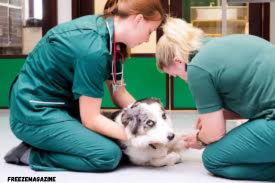
When a pet crashes through your doors, you do not get a second chance. Every movement must be planned. Every person must know what to do. This is why training for emergencies is the backbone of an animal hospital in Bronte. You face sudden trauma, poisonings, breathing trouble and fires. You cannot predict the next crisis. You can only prepare. Strong emergency training does three things. It builds clear roles so no one hesitates. It drills simple routines so your team acts fast under stress. It tests your systems so weak spots show up before a real disaster. This blog explains how animal hospitals shape that training. You will see how leaders set standards, how teams rehearse, and how staff learn from every close call. You can use these steps to build calm, steady care when everything around you feels out of control.
Why emergency readiness matters for every pet
Emergency training protects three groups. It protects pets from delays. It protects staff from confusion. It protects families from extra fear. When your team prepares early, you cut the time between arrival and treatment. You lower mistakes. You keep people safer during fire, flood or violence.
Human hospitals follow similar steps. The U.S. Federal Emergency Management Agency explains that clear plans, regular drills and simple roles reduce death and injury during crises. You can see these same ideas in many settings. You can read more about all hazard planning on the FEMA site at this site.
Building clear roles before a crisis
During an emergency, no one should ask who is in charge. The answer must be clear. Animal hospitals set a simple command structure. This keeps the room steady even when voices rise.
Most teams define roles like these.
- Team lead. Decides treatment order and assigns tasks.
- Airway and breathing lead. Manages oxygen, intubation and monitoring.
- Circulation lead. Places IV lines, gives fluids and life saving drugs.
- Recorder. Tracks times, drugs, and key changes.
- Runner. Fetches gear, calls labs, moves other patients.
Each role has a short written guide. Staff review these guides during quiet times. New staff practice each role under support. Over time, each person knows two or three roles. That way you always have coverage when someone is away.
Designing simple step by step protocols
Roles only work when linked to clear steps. Animal hospitals write short protocols for common emergencies. Each one fits on one page. You can post them on clipboards or walls.
Common protocols include three groups.
- Cardiac arrest. Basic life support, chest compressions, drug doses.
- Breathing failure. Oxygen use, airway support, safe placement of tubes.
- Shock and trauma. Fluid plans, bleeding control, pain care.
Teams use color codes, large fonts and plain words. They keep doses in tables. They match steps with clear triggers. For example, if heart rate drops below a set number, move to the next step. This structure frees minds for problem solving. Staff do not waste time on mental math or guesswork.
Running regular drills that feel real
Practice is where plans become muscle memory. Animal hospitals run drills on a fixed schedule. Many choose one drill each month. Some mix surprise drills with planned ones.
Useful drill types include three forms.
- Code simulations with mannequins. Teams practice CPR, drug use and defibrillator steps.
- Walkthroughs. Staff move through fire, flood or evacuation plans.
- Tabletop talks. People talk through a crisis step by step while seated.
Each drill follows a pattern. You set a clear goal. You run the scenario. You pause. You talk about what went well and what failed. You write every lesson down. Then you change your plan or your room layout. That cycle turns small mistakes into strong habits.
Using checklists and quick reference tools
Under stress, memory fails. Checklists protect your team from that loss. Human medicine uses checklists during surgery and emergencies. The Agency for Healthcare Research and Quality gives many examples of how checklists cut harm. You can see tools and guides here.
Animal hospitals adapt this idea with three simple tools.
- Crash cart lists. Every drawer has a list of drugs and supplies. Staff sign off after restocking.
- CPR flow cards. Cards hang from the cart that show steps in large print.
- Emergency phone trees. Clear cards show who to call in what order.
These tools stay near where care happens. Staff learn to grab them without thought. You protect care from panic and memory gaps.
Setting up the space for fast action
Training also includes the room itself. A crowded room slows you. A clean, standard layout speeds you up.
Teams review three parts of the space.
- Access paths. Clear hallways and doors. No boxes or storage in the way.
- Equipment zones. Oxygen, suction and monitors in the same place in every room.
- Crash carts. Stocked carts that roll to any space in seconds.
Staff practice moving a patient from entry to treatment table. They measure time. They adjust the layout to cut delays. These small changes save seconds. Those seconds can save a pet.
Training for fires, disasters and security threats
Not every emergency is medical. Fires, storms and violence can strike with no warning. Animal hospitals include these events in training plans.
Common steps include three threads.
- Evacuation drills. Staff learn who carries records, who moves patients and who sweeps each room.
- Shelter in place plans. Teams know where to move during storms or outside hazards.
- Security steps. Staff learn code words and exit routes during a threat.
Each plan weighs patient safety, staff safety and family safety. Leaders remind teams that no one should trade personal safety for supplies or gear. Clear rules lower guilt and split second doubt when danger rises.
Comparing training levels in animal hospitals
Not all hospitals train at the same depth. It can help you ask questions about your own clinic or one you use for your pet.
| Training level | Drill frequency | Written protocols | Role clarity | Family communication |
|---|---|---|---|---|
| Basic | Once per year | Partial or outdated | Informal and unclear | Updates only after events |
| Developing | Every 3 to 6 months | Current for common crises | Named leads but limited backup | Simple scripts during crises |
| Advanced | Monthly or more | Current, tested and posted | Cross trained staff for each role | Planned briefings and follow up calls |
Helping families stay calm during chaos
Families remember how you spoke to them as much as what you did. Training includes simple words that bring steady focus. Staff learn three key habits.
- Say what is happening in short, clear phrases.
- Set the next time you will update them.
- Offer one small task they can do, such as sharing a phone number.
These steps give families a small sense of control. They can breathe. They can wait while you work.
Turning every emergency into a lesson
After each real emergency, teams pause. They hold a short talk. They ask three questions. What worked. What failed. What should change before the next crisis.
Leaders treat this time as protected. The goal is learning, not blame. Staff can speak without fear. You then change checklists, layouts or training plans. Over months, your hospital grows stronger.
Emergency training never ends. It is a steady promise to pets and families. You cannot stop sudden crises. You can shape how you respond. With clear roles, simple steps and regular drills, your team can face the worst days with calm, steady hands.





Post Comment