Building Music Assets Without Starting In Studio Software
Music used to be one of the slowest assets in a small creative project. Images could be mocked up quickly, copy could be drafted in minutes, but an original song or vocal track usually required production skill, licensing research, or outside help. That is why tools like AI Song Generator are becoming more relevant: they address the practical moment when a creator needs music before they have the time, budget, or technical setup for a full production workflow.
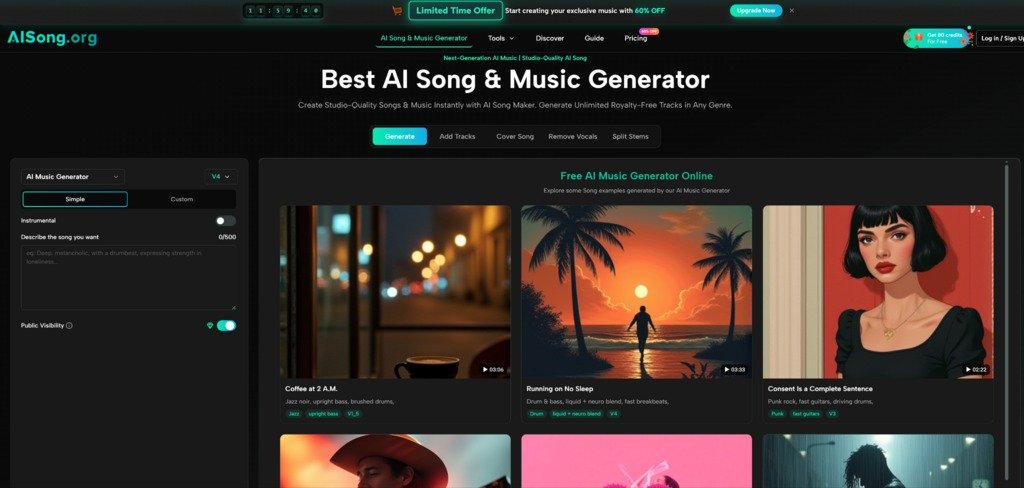
AISong AI is best understood as a creation bridge. It does not ask users to begin with chords, stems, plug-ins, or a digital audio workstation. It starts from the materials many creators already have: a title, a mood, a genre idea, lyrics, or a description of the song they want. From there, the platform offers different creation modes and follow-up audio tools that make it feel more like a compact AI music workspace than a simple one-click generator.
For this review, I looked at the product through an asset-building lens. The question was not “Can it make a song?” The better question was “Can it help a creator produce different kinds of usable music assets from one idea?” That includes a full song, an instrumental direction, a lyric-based track, a separated vocal, a stem-based version, or an extended arrangement. Judged this way, the platform’s structure becomes much easier to understand.
The Real Problem Is Music Asset Flexibility
Many creators do not need only one file. A YouTuber might need a full intro and a quieter instrumental bed. A songwriter might want to hear a lyric with vocals, then isolate parts for further review. A small business might test several moods before choosing one for a campaign. In each case, the creative need expands after the first generation.
This is where a single-output tool can feel limiting. It may create a track, but the user then has to leave the platform to do anything more with it. AISong AI’s broader value is that it connects generation with management and processing tools. The user can create, revisit, and reshape music inside the same general environment.
Music Creation Is Rarely A Straight Line
A realistic workflow often moves sideways. A creator may begin with lyrics, decide the vocal mood is not right, try a different style, save a better version, split the audio, and then use an instrumental version for another purpose. This is not a failure of the first output. It is how creative testing works.
The Platform Works Best As A Drafting System
From a practical user perspective, AISong AI feels strongest when treated as a drafting system. It helps users generate possible versions of an idea, then decide which version deserves further attention. That is more believable than claiming it will perfectly deliver every imagined song on the first attempt.
How Users Move From Idea To Asset
The official pages show a workflow centered on song generation, lyrics-to-song creation, instrumental use, and a personal music library. The platform supports Simple and Custom modes, which gives users two different levels of input control. It also presents additional tools such as vocal removal, stem splitting, adding tracks, cover song creation, and song extension.
This combination matters because different assets require different workflows. A finished lyric needs a different starting point than a background music idea. A creator who wants vocals needs a different path than someone who needs instrumental audio. The platform’s structure gives users more than one way in.
Step One Define The Asset You Need
The first step is deciding whether the goal is a complete song, a lyric-based vocal track, or an instrumental piece. The platform’s Simple, Custom, instrumental, and lyrics-focused options support these different starting points.
The Right Goal Makes Prompting Easier
A clear goal improves the input. If the user needs background music, the prompt should describe mood and use case. If the user needs a song, the prompt should include theme, style, and vocal direction. If the user already has lyrics, the lyrics should be cleanly structured before generation.
Step Two Add Song Details Carefully
The second step is entering the creative details. Depending on the path, this may include title, style, lyrics, genre or mood direction, and related options shown in the generator interface. The key is not to overload the system with vague adjectives, but to give it practical boundaries.
Specific Direction Beats Decorative Language
In my testing framework, useful prompts are concrete. “Energetic pop-rock song for a sports montage” is more actionable than “epic and amazing.” When lyrics are involved, verse and chorus labels can help the song feel more organized. The platform gives room for this kind of guidance without requiring technical notation.
Step Three Generate And Save The Track
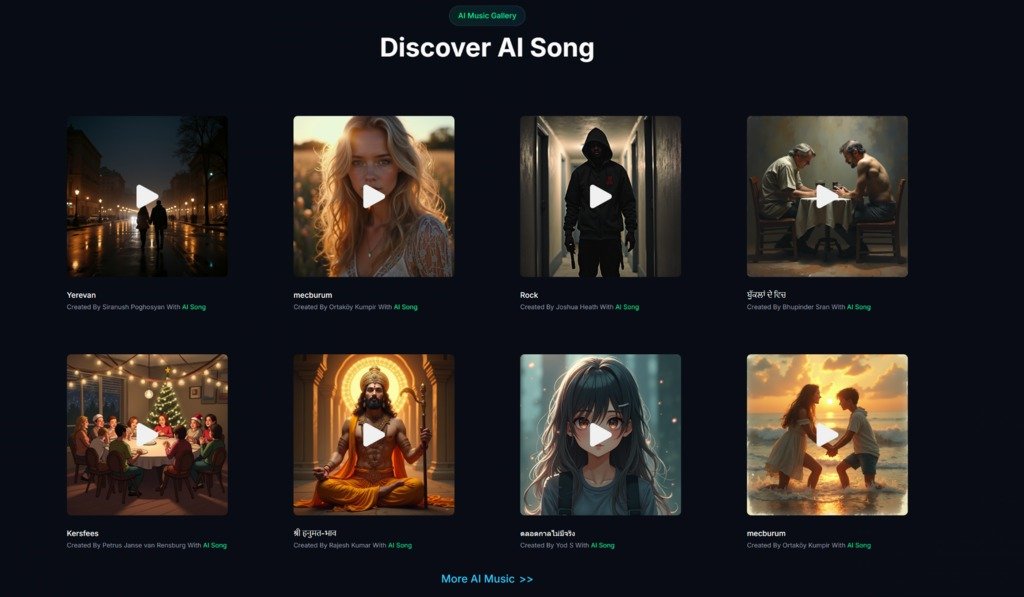
The third step is generating the song and reviewing it through the platform’s music area. The official workflow shows that generated tracks can be kept in My Music or a music library environment, which supports later listening and management.
Saved Tracks Support Real Comparison
This matters more than it first appears. AI creation often produces several close variations. Without a library, users may lose the context of which prompt led to which result. With a saved track environment, it becomes easier to compare ideas and continue working from the strongest version.
Step Four Rework The Output When Needed
The fourth step is using available follow-up tools when the first result needs a different form. AISong AI presents tools for removing vocals, splitting stems, adding tracks, creating covers, and extending songs. These features help turn one generated track into multiple possible assets.
One Song Can Become Several Materials
A creator may use a full song for review, an instrumental version for a video, isolated vocals for analysis, or an extended version for a longer edit. This is where the platform’s asset-building logic becomes clearer. The first generation is not always the endpoint; it can be the source material.
Scenario Testing For Different Creative Jobs
The first scenario is a short-form video creator looking for music that fits a visual edit. The test task is to describe the mood, pace, and scene, then listen for whether the result supports the content without overwhelming it. The advantage is speed. The weakness is that highly specific timing and beat changes may still require outside editing.
The second scenario is a lyric writer with a finished draft. The test task is to paste the lyrics, add a title and style direction, then judge whether the generated song respects the emotional structure. The platform’s lyric-based workflow is useful here because the writer does not have to compose melody first. The limitation is that emphasis may not always land exactly where the writer imagined.
The third scenario is a small brand testing campaign sound. The test task is to generate several tracks around the same mood and compare which one feels most suitable. The music library becomes important because brand decisions often require side-by-side judgment. In this context, AI Song Maker is less about making one perfect song and more about quickly producing options a team can react to.
The fourth scenario is audio repurposing. A user may generate a track, then need an instrumental version, separated parts, added tracks, or a longer arrangement. This is where the platform’s surrounding audio tools matter. The results may vary depending on the source track, but the workflow gives users practical ways to reuse material instead of starting over.
A Clearer Comparison For Practical Users
AISong AI sits between casual music toys and professional audio software. It is more structured than a basic prompt box, but less technical than a full production environment. That middle position is useful for creators who need usable drafts and flexible outputs, not full manual control over every note and mix decision.
| Practical Question | AISong AI Response | Why It Matters |
| Can beginners start quickly? | Yes, through idea and lyric input | Lowers the first barrier |
| Can lyrics become songs? | Yes, through lyric-focused creation | Helps writers hear their words |
| Can users organize drafts? | Yes, through music library workflow | Makes comparison easier |
| Can tracks be repurposed? | Yes, with audio processing tools | Expands asset usefulness |
| Is it fully predictable? | No, results may vary | Requires testing and revision |
| Does it replace producers? | Not completely | Better for drafts and exploration |
This comparison shows the platform’s realistic role. Its strength is not absolute control. Its strength is helping users produce, organize, and reshape music ideas faster than they could from scratch.
Where The Platform Needs Careful Expectations
AISong AI still depends on user input. If the prompt is unclear, the result may feel generic or misaligned. If the lyrics are messy, the song structure may feel less focused. If the user expects a very specific vocal performance or arrangement detail, several generations may be needed.
The audio processing tools should also be used with realistic expectations. Vocal removal and stem splitting can be useful, but AI-separated parts may contain artifacts or bleed, especially compared with original studio stems. Song extension and added tracks can support experimentation, but they should be reviewed carefully before being used in public-facing projects.
There is also a creative judgment gap that no interface can fully remove. The platform can produce options, but the user still has to decide whether a track fits the audience, message, pacing, and emotional tone of the project. That judgment is where human taste remains essential.
The Best Use Case Is Fast Creative Expansion
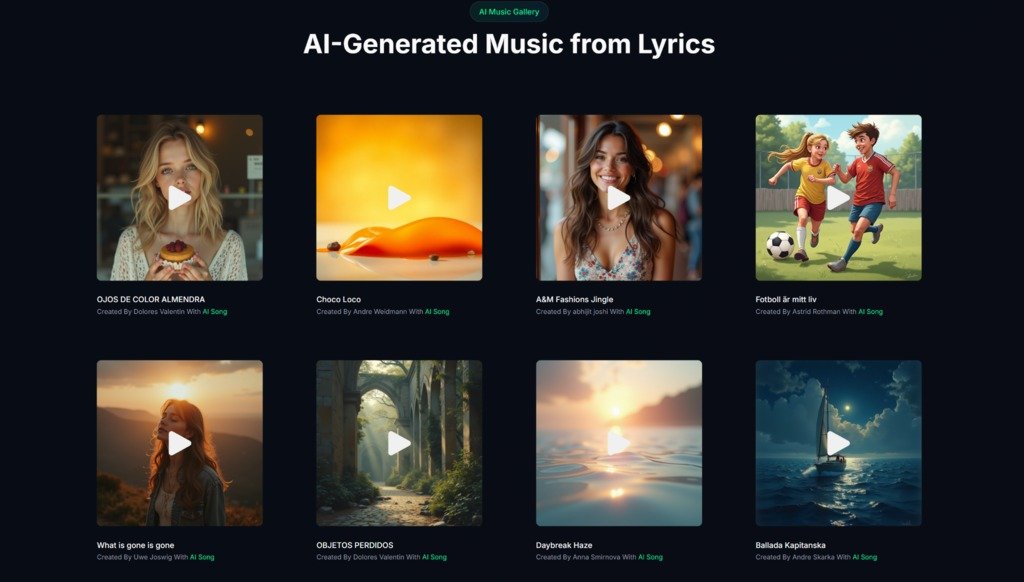
AISong AI is most convincing when used to expand a creative idea into multiple possible music assets. A lyric can become a song. A song can become an instrumental. A track can be split, extended, or used as a starting point for another direction. This makes the platform especially relevant for creators who work across videos, campaigns, songwriting demos, podcasts, or social media content.
The platform should not be framed as a guaranteed shortcut to perfect music. A better and more honest description is that it gives creators a structured way to test music ideas, listen earlier, and reuse outputs more flexibly. For users who need momentum more than studio-level control, that can be a meaningful advantage.
What stands out is the workflow logic. AISong AI does not only ask for a prompt and hand back a file. It gives users a path from idea to generation, from generation to library, and from library to further processing. In the current AI music landscape, that practical continuity may be more valuable than a louder promise.








Post Comment