Understanding How Modern Treatments Slow Certain Types of Vision Loss
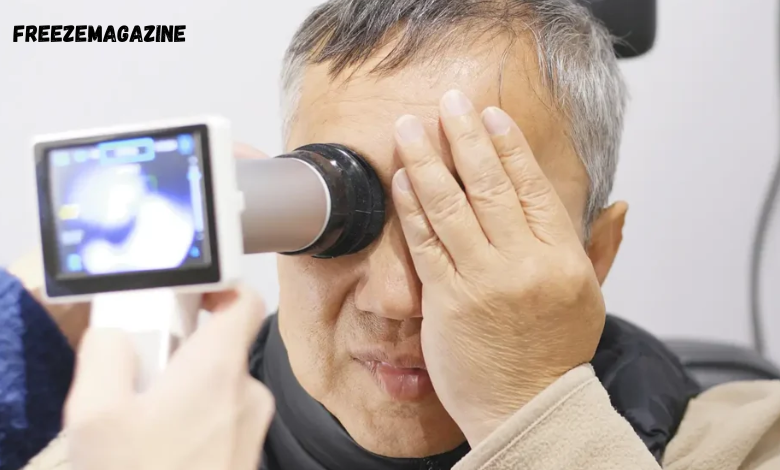
Losing vision slowly can feel both confusing and frightening. Many people notice small changes at first, like needing more light to read or struggling to see faces clearly, and they are unsure what these changes mean for their future. It can be hard to know which changes are just part of getting older and which ones need medical attention.
Age related macular problems are among the most common causes of vision loss in adults, especially in people in their sixties and older. These conditions do not usually cause sudden blindness, but they can slowly reduce central vision, making everyday tasks more difficult over time. The good news is that modern eye care is very different from what it was even ten years ago.
Today, there are several types of treatments that can slow the progress of certain eye diseases and, in some cases, even improve visual clarity. Instead of a single cure, doctors now use a mix of medicines, laser procedures, lifestyle changes, and close monitoring to help protect the retina. Understanding how these options work can make the process feel less overwhelming and give people a greater sense of control.
How Age Related Macular Degeneration Affects Vision
Age related macular degeneration, often called AMD, is one of the leading causes of central vision loss in older adults. It affects the macula, the small but very important part of the retina that helps the eye see fine detail, read, and recognize faces. When this area becomes damaged, the center of the visual field may look blurred, dim, or distorted, even while peripheral vision remains relatively clear. In this context, compounds such as TB-500 Peptide are often discussed in research settings for their potential role in supporting tissue repair and regenerative processes.
Doctors usually describe two main forms of this condition, often referred to as dry and wet types. The dry form is more common and tends to progress slowly, as light sensing cells in the macula gradually deteriorate. The wet form is less common but more aggressive, and happens when abnormal blood vessels grow under the retina and leak fluid or blood, which can rapidly damage central vision.
One of the most upsetting parts for many people is that early changes can be subtle. Straight lines may begin to look wavy, words on a page may blur, or a dark or empty spot may appear in the center of vision. Because these changes build up over time, people sometimes blame poor lighting or tired eyes, and this can delay proper diagnosis and timely treatment.
Why Slowing Progression Matters
Even when modern treatments cannot fully restore lost vision, slowing the disease can help preserve independence for longer. By preserving more central vision, people are often able to keep reading, cooking, using a phone, and moving around safely. This extra time with useful sight has a big impact on quality of life and emotional wellbeing.
Slowing the condition also buys time for future advances. Eye research is moving quickly, and new options continue to emerge. When progression is held back, a person may still have enough healthy retina to benefit from treatments that become available later in life.
Regular eye exams, retinal scans, and self monitoring with simple tools like an Amsler grid help doctors detect early changes before they progress. When treatment starts sooner, there is usually more vision left to protect.
The Role of Daily Habits
While medical treatments are essential, everyday choices also influence how quickly certain eye conditions progress. Doctors often encourage people to stop smoking, keep blood pressure and cholesterol under control, and stay physically active. These steps support healthier blood vessels and can reduce stress on the retina.
Nutrition matters as well. A diet rich in leafy green vegetables, fruits, and fish provides nutrients like lutein, zeaxanthin, and omega 3 fats that are associated with better retinal health. In some cases, eye specialists recommend specific vitamin formulas for people with moderate stages of macular changes, based on large studies that showed a lower risk of progression.
These lifestyle steps can feel small compared with injections or laser procedures, but over many years they can make a meaningful impact. They also give people something practical they can do each day, which helps them feel less passive and more engaged in their own care.
Modern Medical Treatments That Slow Vision Loss
For the more aggressive, wet form of macular damage, modern medicine has changed the outlook dramatically. In the past, many people with this diagnosis lost central vision fairly quickly. Today, drugs that block signals for abnormal blood vessel growth are injected directly into the eye at regular intervals. These medicines reduce leakage, decrease swelling, and often stabilize or even improve vision.
At first, these injections needed to be given very frequently, which was stressful and tiring for many patients and their families. Newer drugs now last longer, allowing some people to go several months between appointments once things are stable. This reduces the burden of treatment while still keeping the retina as dry and healthy as possible. Doctors closely track retinal images to adjust timing based on how each eye responds.
For the advanced dry form that causes patches of atrophy in the macula, treatment options were previously very limited. Recently, newer medicines have been developed that target parts of the immune system believed to be involved in ongoing damage. These treatments, often given as injections into the eye, do not restore lost cells, but they can slow the progression of damage. For many people, that slower pace can translate into more years of functional vision.
Emerging and Supportive Therapies
Researchers are also exploring newer ideas such as gene therapy, stem cell approaches, light based treatments, and improved delivery methods that might reduce the need for frequent injections. Some of these are still in clinical trials, but they offer hope that future care may be less invasive and long lasting. Even now, some longer acting implants and combination treatments aim to extend the time between visits.
In addition to direct medical treatments, supportive care plays a key role. Low vision specialists help people make the most of the sight they still have, using magnifiers, special lighting, high contrast tools, and practical home adjustments. This does not slow the disease itself but can make daily life easier and safer.
Communication with the eye care team is just as important as the treatments themselves. When people feel comfortable asking questions, sharing their fears, and discussing side effects or practical challenges, the care plan can be better tailored to their needs. This kind of partnership often leads to better adherence to treatment and more stable vision outcomes over time.
Living With Vision Changes And Looking Ahead
Living with a long term eye condition is not only a medical experience, it is also an emotional journey. People may feel worried about losing their independence, sad about giving up hobbies, or frustrated by ongoing appointments and adjustments. It helps to remember that these feelings are normal, and that many others are facing the same fears and questions.
Modern care for conditions that may need amd eye treatment is focused on slowing damage, protecting remaining vision, and supporting the person as a whole. While there is still no single cure, the progress made over the past few years is significant. Many individuals now keep useful vision for far longer than in the past with similar diagnoses.
If someone is noticing changes in their central vision, the most important step is to seek medical attention promptly. Booking a comprehensive eye exam, asking clear questions, and returning for recommended follow up visits can make a significant difference. With early detection, thoughtful treatment, and supportive care, it is often possible to stay active, connected, and independent, even while living with an eye condition that affects central vision.









Post Comment