Simple Home Updates That Make a Room Feel Completely Different
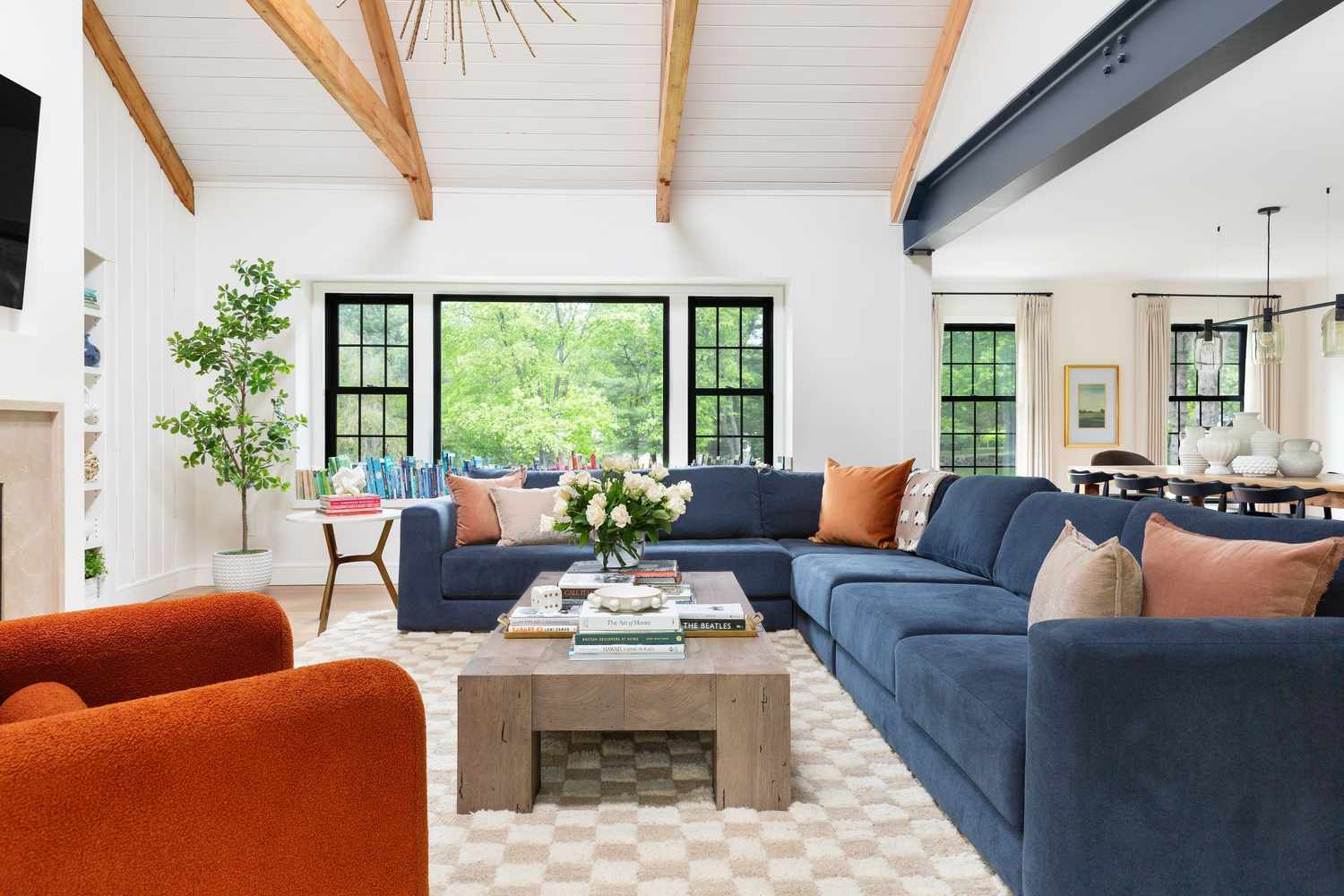
You walk into the same room every day, so it’s easy to stop seeing what’s making it feel flat. The lamp is in the wrong place, the cushions have gone limp, the walls feel bare, and the coffee table has become a landing strip for everything without a home.
A room doesn’t always need new furniture or weeks of decorating to feel changed. Small updates work best when they alter what you notice first: light, colour, layout, texture and the little details your eye keeps catching.
Change the Wall Your Eye Lands On First
Every room has a spot people notice before anything else. It might be the chimney breast, the wall behind the sofa, the end of the hallway or the space above a bed. Give that area more attention and the whole room starts to feel different.
Paint is the obvious choice, but pattern can add more character when the furniture is plain. Once you’ve measured the space and decided whether the room needs softness, warmth or something bolder, buying wallpaper online in a design that echoes a colour, shape or texture already nearby. A small print can soften a bedroom, while a bolder geometric design might suit a dining area or home office.
If you’re nervous about making the room too busy, paper one section instead of every wall. Pattern works harder when it has space around it.
Move the Furniture Before Spending Money
A sofa that has always faced the television might work better angled towards a window. A side chair hiding in a bedroom may become the missing piece in the living room. Even moving a rug a few inches can make the seating area feel more deliberate.
Try the room from the place you actually sit. Can you reach a drink? Is there enough light? Does the layout help people talk, read, watch TV or play with children? Advice on arranging furniture around daily habits is useful because it starts with movement through the room, not just how the space looks in a photo.
Give each new layout a day or two before moving everything back. Some changes feel strange only because you’re used to the old version.
Swap the Details That Date the Room
Handles, lampshades, curtain poles, cushion covers and frames can make a room feel older than it needs to. Replacing one or two tired details often does more than adding another decorative object.
Choose finishes that repeat gently. Black metal on a lamp and picture frame, warm wood on a tray and side table, or brass on a handle and mirror can pull a room together without making it look too matched. The same idea applies to colour. Two or three repeated shades usually feel more relaxed than a room full of unrelated accents.
Add Texture Where the Room Feels Flat
A room with hard floors, plain walls and smooth furniture can feel unfinished even when it’s tidy. Texture gives it depth: a wool throw, linen curtains, a woven basket, a ribbed lampshade or a rug underfoot.
Layering doesn’t mean filling every surface. A few well-chosen pieces can make the room feel warmer and more considered. The way designers use texture to add interest shows how materials can change the mood without relying only on colour.
Start with the corner that bothers you most. Add better light, remove what doesn’t belong, and change one visible surface. A room feels completely different when the update solves something you notice every day.










Post Comment