From Shelf Appeal to Shelf Life: The Dual Role of Glossy BOPET Film in Food Label Packaging
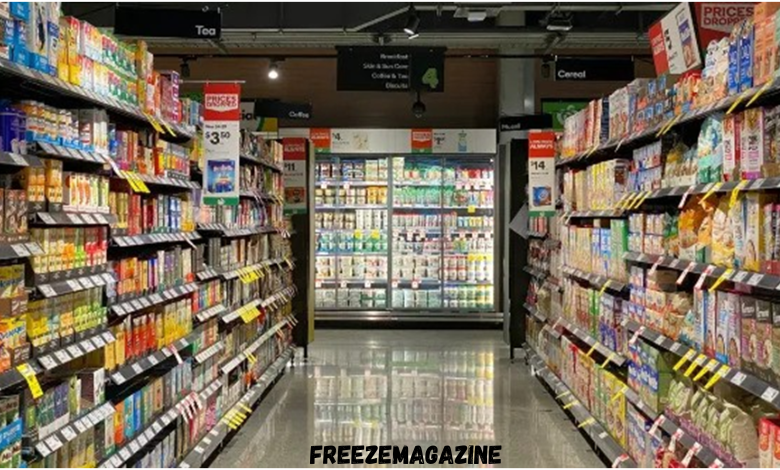
In the highly competitive food industry, packaging plays a critical role in determining how products are perceived, protected, and preserved. Consumers today are influenced not only by the quality of the food inside the package but also by the packaging’s visual presentation and durability. From vibrant labels that capture attention on crowded retail shelves to protective materials that help maintain product freshness, packaging has evolved into a sophisticated blend of marketing and technology. One material that has emerged as a reliable solution for both visual appeal and functional protection is Glossy Bopet Film.
Glossy BOPET film, also known as biaxially oriented polyethylene terephthalate film, has become widely used in food label packaging due to its excellent clarity, high-gloss finish, durability, and barrier properties. Its unique characteristics enable brands to enhance shelf visibility while ensuring food products remain safe and fresh for longer. This dual functionality makes glossy BOPET film an indispensable component in modern food packaging systems.
Understanding Glossy BOPET Film and Its Properties
Glossy BOPET film is manufactured by stretching polyethylene terephthalate in both the machine and transverse directions. This process improves the film’s strength, transparency, and dimensional stability. The glossy finish further enhances its aesthetic qualities, making it particularly suitable for premium food labels and high-quality packaging designs.
One of the most notable features of glossy BOPET film is its superior optical clarity. The film provides a smooth and reflective surface that allows printed graphics to appear sharper, brighter, and more vibrant. This is especially valuable in the food sector, where packaging must instantly communicate freshness, flavor, and brand identity.
Beyond its visual qualities, glossy BOPET film offers excellent resistance to moisture, oils, and chemicals. These protective characteristics ensure that labels remain intact and legible even when exposed to refrigeration, humidity, or frequent handling. Additionally, the film’s strong tensile strength helps prevent tearing or distortion during packaging, transportation, and storage.
Another important advantage is its compatibility with various printing technologies. Flexographic, gravure, and digital printing methods work effectively on glossy BOPET surfaces, allowing manufacturers to produce high-resolution labels with intricate designs and detailed product information.
Enhancing Shelf Appeal Through High-Quality Visual Presentation
In retail environments where consumers are surrounded by countless choices, packaging must quickly capture attention. Glossy BOPET film plays a crucial role in achieving this objective by providing an attractive and professional appearance that stands out on store shelves.
The glossy surface reflects light effectively, creating a premium look that immediately draws the consumer’s eye. Brands often rely on this reflective quality to emphasize bold colors, detailed illustrations, and sophisticated typography. When combined with advanced printing techniques, glossy BOPET film allows food manufacturers to create packaging that communicates quality and reliability.
Shelf appeal is not only about aesthetics but also about brand storytelling. Food labels must convey essential information, including ingredients, nutritional facts, certifications, and brand values. The smooth, durable surface of glossy BOPET film ensures this information remains clear and readable throughout the product’s lifecycle. This helps maintain consumer trust and supports regulatory compliance.
In addition, glossy BOPET film enables creative design possibilities such as metallic effects, transparent windows, and layered printing. These design elements allow brands to differentiate themselves and communicate freshness or product authenticity. For example, a transparent section in a label can give consumers a glimpse of the product inside, reinforcing the perception of quality and transparency.
Supporting Shelf Life Through Protective Barrier Properties
While visual appeal is essential, the functional role of packaging is equally important. Food products are vulnerable to environmental factors such as moisture, oxygen, light, and temperature changes. These factors can accelerate spoilage, degrade flavor quality, and compromise safety. Glossy BOPET film significantly helps protect food products from these external threats.
One of the key strengths of BOPET film is its excellent barrier performance. The material effectively blocks moisture and gases, helping to maintain the original taste, texture, and nutritional value of food items. This protective barrier extends product shelf life, reducing the risk of spoilage and food waste.
The film’s thermal stability also allows it to withstand a wide range of temperatures. Whether used in refrigerated packaging, frozen foods, or shelf-stable products, glossy BOPET film maintains its structural integrity and adhesive performance. This reliability ensures that labels remain firmly attached and visually appealing throughout storage and distribution.
Another factor that supports shelf life is the film’s resistance to oils and chemicals. Many food products, particularly snacks, sauces, and ready-to-eat meals, contain oils or acidic components that can degrade ordinary packaging materials. Glossy BOPET film resists these substances, protecting both the label and the packaging surface from damage.
By maintaining the quality and safety of food products, glossy BOPET film helps manufacturers meet consumer expectations and regulatory standards while reducing financial losses from spoiled goods.
Durability and Performance in Food Packaging Operations
Food packaging operations require materials that can perform efficiently under high-speed production conditions. Glossy BOPET film offers exceptional mechanical strength and dimensional stability, making it suitable for automated labeling systems.
The film’s high tensile strength prevents it from tearing or stretching easily during printing, cutting, or application. This stability allows packaging machines to operate at high speeds without compromising label accuracy or alignment. As a result, manufacturers can maintain consistent quality while maximizing production efficiency.
Glossy BOPET film also performs well in various finishing processes, including lamination, coating, and embossing. These additional treatments can enhance durability and provide extra protective layers against scratches, moisture, or UV exposure. Such features are particularly important for food products that undergo extended transportation or storage.
Another operational advantage is the film’s compatibility with pressure-sensitive adhesives. Labels made from glossy BOPET film adhere securely to different packaging surfaces, including plastic containers, glass bottles, metal cans, and flexible pouches. This versatility allows manufacturers to use a single labeling solution across multiple product categories.
Sustainability Considerations in Modern Packaging
As environmental concerns continue to influence consumer behavior and regulatory policies, the packaging industry is under increasing pressure to adopt more sustainable solutions. Glossy BOPET film is evolving to meet these expectations through improved manufacturing practices and recyclability initiatives.
Many modern BOPET films are designed to be lightweight while maintaining strength and durability. This reduction in material usage helps decrease overall packaging weight, which in turn lowers transportation emissions and resource consumption.
Additionally, BOPET film can be incorporated into recycling streams when properly designed and separated. Packaging manufacturers are increasingly developing mono-material structures and recyclable laminates that include BOPET components. These innovations help support circular-economy goals while preserving the film’s performance advantages.
Another sustainability benefit lies in the extended shelf life provided by glossy BOPET film. By protecting food products from spoilage and contamination, the material helps reduce food waste, which is a significant environmental challenge worldwide. Extending product freshness means fewer discarded items and a more efficient use of resources across the food supply chain.
Applications Across Different Food Categories
Glossy BOPET film is widely used across various segments of the food industry due to its adaptability and performance. Packaged snacks, confectionery products, dairy items, beverages, and ready-to-eat meals often rely on glossy BOPET labels to enhance aesthetic appeal and protect products.
In the snack industry, vibrant packaging designs are essential for attracting consumers. Glossy BOPET film enhances color intensity and graphic sharpness, making snack packages visually striking on retail shelves. For dairy and refrigerated products, the film’s resistance to moisture and condensation helps keep labels intact even in cold environments.
Beverage packaging also benefits from glossy BOPET film, which offers durability and water resistance. Bottles stored in ice buckets or refrigerators require labels that can withstand constant exposure to moisture without peeling or fading. Glossy BOPET film provides the necessary resilience to maintain a clean and professional appearance.
Similarly, ready-to-eat meals and frozen food products rely on labels that can survive extreme temperature changes. The thermal stability of BOPET film ensures that labels remain functional and visually appealing from the manufacturing stage to the consumer’s kitchen.
The Future of Glossy BOPET Film in Food Packaging
As technology advances and consumer expectations continue to evolve, the role of glossy BOPET film in food packaging is expected to expand further. Innovations in coating technologies, digital printing compatibility, and barrier enhancements are opening new possibilities for improved packaging performance.
Smart packaging solutions may also integrate with BOPET-based labels, incorporating features such as QR codes, traceability markers, and interactive brand experiences. These technologies allow consumers to access product information, verify authenticity, and engage more deeply with brands.
In addition, research into bio-based polymers and recyclable laminates is likely to improve the sustainability profile of BOPET films. Manufacturers are exploring ways to combine high-performance packaging materials with environmentally responsible practices.
The continued development of these innovations ensures that glossy BOPET film will remain a valuable solution for balancing marketing impact with product protection.
Conclusion
Packaging is no longer just a protective layer around food products; it is a powerful tool that influences consumer decisions and ensures product integrity. Glossy BOPET film or Matte Bopet Film embodies this dual role by offering both exceptional visual appeal and reliable protective performance.
Its glossy surface enhances shelf visibility and strengthens brand identity, while its barrier properties help maintain product freshness and extend shelf life. Combined with durability, printing compatibility, and growing sustainability initiatives, glossy BOPET film has established itself as a key material in modern food label packaging.
As the food industry continues to innovate and adapt to changing consumer demands, materials like glossy BOPET film will play an increasingly important role in delivering packaging solutions that are both attractive and functional. From capturing attention on retail shelves to safeguarding food quality throughout the supply chain, glossy BOPET film truly bridges the gap between shelf appeal and shelf life.






Post Comment