FC 26 Career Mode: Major Upgrades and Hidden Changes
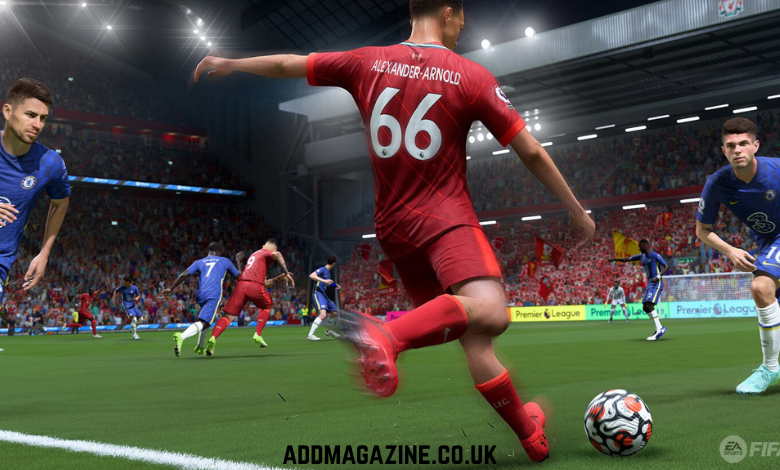
Career Mode in EA Sports FC has had a rough few years. Fans kept asking for more depth, more unpredictability, more reasons to stick around past the first two seasons of a save — and for a long time, EA’s answer was somewhere between “minor tweaks” and “here’s a new stadium upgrade tier.” FC 26 feels genuinely different. Not perfect, but different in ways that matter.
Here’s what has actually changed, what’s worth knowing before starting a save, and a few things buried in the menus that don’t get talked about enough.
Getting a Strong Squad in Place
No matter how deep the Career Mode systems go, building a competitive squad still takes time and resources. For players who’d rather skip the early grind and focus on tactics and progression, having FIFA coins on hand opens up transfer options that would otherwise take several seasons to reach.
LootBar is a trusted shop in the FC community for picking up FIFA coins at good prices. With a 4.9-star rating across more than 37,000 Trustpilot reviews, 24/7 customer support, and fast delivery across PlayStation, Xbox, and PC, it’s a straightforward option for anyone who wants to hit the ground running. The shop offers full refund coverage and no surprise charges, which is exactly the kind of reliability that earns a reputation in a competitive space.
Manager Live Is the Real Deal
The flashiest addition this year goes by the name Manager Live, and for once, the marketing matches the actual product. It’s a weekly and monthly challenge system that pulls from real-world football events as they happen — think dynamic scenarios tied to actual league results, cup runs, and rivalries rather than the recycled objectives Career Mode has recycled for years.
There are a few types worth knowing. Live Start Points drop managers into specific mid-season situations — a relegation scrap with six games left, a title race that’s gone down to the wire. Derby Drama scenarios recreate fixtures like El Clásico and Der Klassiker, letting players relive or rewrite those moments. Then there’s Reactive Scenarios, which appear after significant real-world results, and Proactive ones that go live before big upcoming matches so players can predict and play out what hasn’t happened yet.
The reward system attached to all this is where things get genuinely interesting. Season Points, Vanity items, and — for the first time in any Career Mode — ICONs and Heroes. Legendary players, actually usable in a manager save. They have to be unlocked through challenges and applied either at the start of a fresh career or when beginning a new Challenge. It’s not a free pass, but it’s a real incentive to engage with the system rather than ignore it.
The Football World Moves Without the Player Now
Managerial movement used to be completely static in Career Mode. A manager would sit in a job forever, rival clubs never poached anyone, and the idea that a board might sack underperforming coaches while the player was busy grinding league seasons simply didn’t exist.
FC 26 changes that with the Manager Market. Coaches get hired and fired based on results. They resign. They get approached by clubs higher up the food chain and move on. Boards weigh up tactical fit and club identity rather than just trophy counts, which means a high-press fanatic is unlikely to suddenly land the Atletico Madrid job.
What this creates, quietly, is a football world that actually moves. Rivals adjust their playing style when new coaches come in. A side that played a deep low-block all season might suddenly switch to a more expansive game after a managerial change. These shifts affect how upcoming fixtures play out. It’s a small thing on paper, but across a long save it makes a noticeable difference to how the game feels.
Something Called Unexpected Events
This one doesn’t get enough attention. FC 26 introduced off-pitch scenarios that fire randomly throughout a save — things like a player leaking something to the press, travel disruptions before an important away fixture, or low-level unrest brewing somewhere in the squad.
None of it is overdramatic. There are no soap opera cutscenes or lengthy dialogue trees. Managers get a situation, a set of choices, and the consequences play out quietly in the background. It’s understated, which is probably why it doesn’t dominate the conversation — but it’s the kind of feature that makes saves feel less like running a spreadsheet and more like actual management.
Authentic Mode Changes How the Game Feels
EA introduced two separate gameplay presets in FC 26 — Authentic and Competitive. For Career Mode, Authentic is the one that deserves serious attention.
Under Authentic settings, the game slows down in a way that suits long-term saves. Physics-based blocks and rebounds make play less predictable. Weather has a genuine effect on matches. AI squads rotate properly — weaker lineups for cup rounds and league matches with nothing to play for, full-strength sides when the stakes are high. Defensive lines hold better shape. Injuries carry real weight.
It’s a deliberate departure from the quick, high-tempo game that works online, and Career Mode is better for having its own identity now. Matches feel like they require a different kind of thinking, and that’s worth something after years of Career Mode and Ultimate Team essentially playing the same way.
Player Career Gets a Purpose
Archetype progression is the headline addition to Player Career in FC 26. Rather than leveling up generically, players now pick from 13 different Archetypes — distinct classes built around legendary player profiles. Each one has its own XP track, specific attribute upgrades tied to that playing style, and unlockable Perks that show up in actual gameplay.
The difference in feel between a direct striker Archetype and a creative number ten is noticeable. Progression has direction now. The Perks give each player something recognizable about how they play rather than just boosting numbers on a stats screen. It makes building a character over multiple seasons feel worth the investment.
The Smaller Changes That Add Up
A few things didn’t make many headlines but are worth knowing before diving in.
The Argentinian league is now part of Career Mode for the first time — complete with the Apertura and Clausura structure, which is genuinely different from anything else in the game. It opens up save ideas that simply weren’t possible before.
Youth stadium tiers now reflect club stature. Bigger clubs with higher net worth play youth fixtures in better facilities. Smaller clubs can grow into upgraded environments as their reputation builds. It’s cosmetic in one sense, but it feeds into the sense of progression that Career Mode needs to maintain long-term interest.
Contract negotiations have also been overhauled. Players now give signals before formal talks begin — a clear indication of whether they’re open to extending or not. This prevents the frustrating situation of spending weeks in negotiation with someone who was never going to sign.
Cranium Tech, EA’s AI-powered facial generation system, has been upgraded significantly. Youth academy players no longer arrive looking like they were assembled in a different era. The faces are far more lifelike now, which sounds minor but removes one of the longest-running annoyances in Career Mode saves.
Final Thoughts
FC 26 Career Mode isn’t a complete reinvention, but it’s the most substantive update the mode has seen in a long while. Manager Live gives every save a reason to keep checking in. The Manager Market makes the football world feel genuinely alive. Authentic gameplay finally gives Career Mode its own tone and pace. And the smaller changes — better AI rotation, improved contracts, the Argentinian league, Unexpected Events — quietly close gaps that have been there for years.





Post Comment