The Science Behind Modern Braces And Aligners
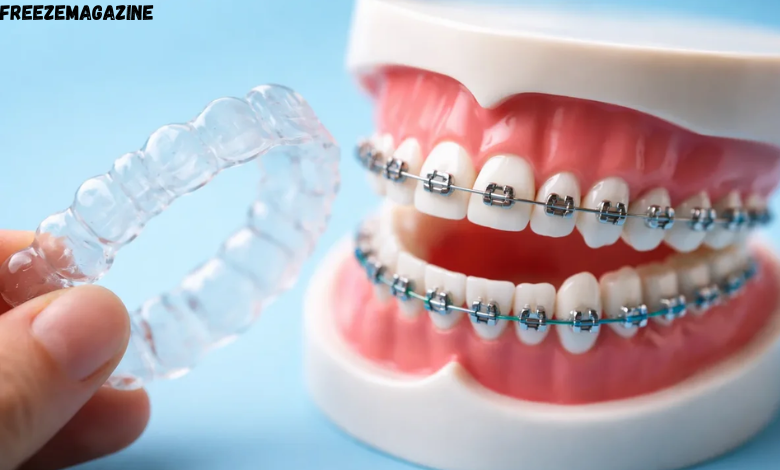
Straight teeth are not only about looks. They protect your mouth from slow damage and daily strain. Today, braces and aligners use real science, not guesswork. You see smooth plastic trays and small metal parts. Behind them sit careful plans, digital scans, and steady tooth movement measured in fractions of a millimeter. Every shift follows rules of bone biology and pressure. Your teeth move because bone melts on one side and rebuilds on the other. Your jaw and bite respond to force, time, and control. Modern tools help your orthodontist in Tuckahoe, Eastchester, NY predict how your teeth will move and how long it will take. You gain a safer bite, calmer joints, and teeth that are easier to clean. This blog explains how these quiet forces work, what shapes your treatment, and why small changes in design can protect your mouth for many years.
How Teeth Move Inside Bone
Your teeth sit in bone, but they do not touch it. A thin cushion of tissue called the ligament holds each tooth in place. When a bracket or aligner presses on a tooth, one side of that cushion feels pressure. The other side feels space.
Your body reads this as a signal.
- On the pressure side, bone cells clear away old bone.
- On the open side, other cells build fresh bone.
- The tooth slowly shifts into the new space.
This process is called bone remodeling. It happens during growth, tooth loss, and injury. Braces and aligners use that same process in a planned way.
Why Force, Time, and Direction Matter
Tooth movement is not random. It follows three simple rules.
- Force must be gentle. A strong force can crush the ligament and slow movement.
- Time must be steady. Short bursts do not work. Constant light pressure does.
- Direction must match the goal. Teeth can tip, turn, rise, or lower.
Research from the National Institutes of Health shows that controlled force and steady timing reduce pain and risk. You feel less soreness, and your roots stay safer. This is why you wear braces or aligners for many months. Your body needs that time to clear and rebuild bone.
What Makes Modern Braces Different
Older braces used thicker wires and less planning. Today, brackets and wires are lighter and more exact.
Modern braces often use nickel-titanium wires. These wires bend and then slowly return to their original shape inside your mouth. As they spring back, they hold a stable force on your teeth. You get smoother movement with fewer wire changes.
Brackets also come in different shapes. Some hold the wire with small doors instead of elastic ties. This can reduce friction between the wire and bracket. It can also shorten treatment in certain cases.
How Clear Aligners Use the Same Science
You wear each set for about one to two weeks. Each tray is a small step in a bigger plan.
Here is how they work.
- A digital scan creates a 3D model of your teeth.
- Software maps each tiny move from start to finish.
- Each aligner tray is made to fit the next step in the plan.
The plastic hugs certain teeth and pulls or pushes them in set directions. Small, tooth colored bumps on your teeth can give the tray a better grip. These bumps help with tough moves like rotations or raising teeth.
Braces vs Aligners: Science and Everyday Life
Both options use controlled force and bone remodeling. They differ in how they deliver that force and how much you must help the process.
The Role of Digital Scans and 3D Planning
Modern orthodontic care uses digital tools for planning and tracking. Many offices use scanners instead of messy putty impressions. This gives a clear 3D image of your teeth and bite.
That image helps your orthodontist.
- Measure crowding and spacing with more accuracy.
- See how upper and lower teeth meet.
- Simulate how teeth can move over time.
Some systems use this data to guide bracket placement or aligner design. You gain a plan that respects your bone, roots, and gums. This reduces unwanted side effects and helps protect long-term tooth support.
Why Your Choices and Habits Matter
The science only works when you support it. Your daily choices shape your results and your comfort.
- Wear aligners as directed, or they will not move teeth as planned.
- Keep teeth clean to prevent decay around brackets and under trays.
- Protect your mouth during sports to prevent sudden injury.
The Centers for Disease Control and Prevention shares that strong brushing and flossing lower the risk of cavities during orthodontic care.
What To Expect During Treatment
You can expect three phases.
- Planning. Scans, photos, and X-rays set the baseline.
- Retention. A retainer holds teeth while bone hardens around new positions.
During active movement, you may feel tightness after adjustments or new trays. Over the months, your bite will feel more stable. You may notice less jaw strain and fewer sharp edges on worn teeth.
Using Science To Protect Your Smile
Modern braces and aligners use simple body science to guide slow and safe tooth movement. Gentle force, steady time, and clear direction help your teeth slide through bone instead of fighting it. When you pair that with good home care and regular visits, you protect more than your smile. You protect your bite, your jaw, and your long-term comfort every time you chew and speak.







Post Comment