6 Effective Tips to Calm Redness Following Med Spa Laser Treatments
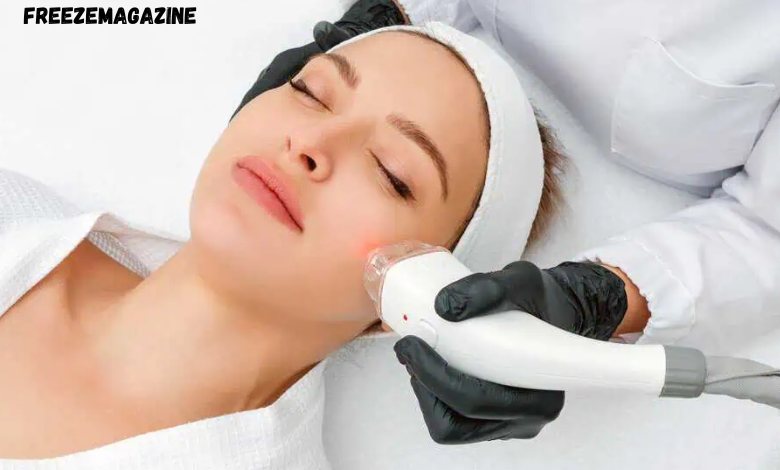
Laser treatments can refresh your skin. They can also leave it red, hot, and sensitive. You might feel worried when you look in the mirror. You may wonder if something went wrong. That fear is common. Most redness is a normal response to controlled heat on the skin. It usually fades with the right care at home. This guide gives you six clear steps that calm your skin, protect healing, and lower the chance of marks. You learn what to do in the first hours, what to avoid for several days, and when to call your provider. You also see how a trusted aesthetic clinic Newtown PA will prepare you before treatment so you know what to expect after. With simple habits and early action, you can shorten redness, feel more at ease, and enjoy your results.
1. Cool the skin the right way
Cold eases heat. It also limits swelling and redness.
- Use a clean, soft cloth
- Wet it with cool tap water
- Apply for 5 to 10 minutes at a time
Then let the skin rest between sessions. You can repeat several times on the first day.
Wrap ice packs in a thin cloth. Keep them moving. Short contact lowers the risk of skin injury.
The American Academy of Dermatology explains that cool compresses help calm treated skin and reduce discomfort.
2. Use gentle moisture and skip active products
Your skin needs a simple routine. Strong products can sting and prolong redness.
Choose products that are:
- Fragrance free
- Alcohol free
- Dye free
Use a mild cleanser with lukewarm water. Then pat dry. Do not scrub. Next, apply a plain moisturizer. Look for short ingredient lists. Petroleum jelly or plain cream can help hold water in the skin and support repair.
Stop the following until your provider clears you:
- Retinoids or retinol
- Acids like glycolic, salicylic, or lactic
- Scrubs or cleansing brushes
- Strong acne products
These products strip the surface and keep redness going. A calm routine brings faster comfort.
3. Protect from the sun every single day
Freshly treated skin burns fast. Sun can deepen redness and raise the risk of dark spots.
Follow three basic rules:
- Avoid direct sun during peak hours
- Wear a wide-brimmed hat and clothing that covers treated skin
- Use sunscreen as directed by your provider
Many providers suggest mineral sunscreen with zinc oxide or titanium dioxide. They are often better for sensitive skin.
The Food and Drug Administration explains how sunscreen works and how to use it well at this FDA sunscreen guide. Read the label. Put on enough. Reapply if you sweat or spend time outside.
4. Avoid heat, sweat, and friction
Heat pulls more blood to the skin. That makes redness worse. Sweat and rubbing can also slow healing.
For several days you should:
- Hold off on hard workouts that cause heavy sweat
- Avoid tight hats, masks, or straps over treated spots
Choose loose cotton clothing. Sleep with your head slightly raised on an extra pillow if your face was treated. That position can help reduce swelling and morning redness.
If you need to move for your mood or health, choose gentle walks. Stay in cooler spaces when you can. Let your skin settle before you return to full activity.
5. Follow your provider’s written aftercare
Every laser treatment is different. Settings, depth, and target all affect redness. You receive specific instructions for your case. Those directions always come first.
Before you leave the office, make sure you know:
- Which products to use and how often
- What symptoms are expected
- Which warning signs mean you need help
Ask for clear written steps. Set reminders on your phone if you need help remembering ointments or creams.
The National Institutes of Health stresses that clear communication with your health team lowers complications and improves results. You can see general advice on talking with providers at the NIH site How to Talk With Your Doctor. Good questions lead to safer healing.
6. Know what is normal and when to call
Some redness is expected. Other signs point to a problem. Understanding the difference protects your skin and your peace of mind.
Common reactions after laser treatment
| Symptom | Usually normal | Time frame | Contact provider now |
|---|---|---|---|
| Redness | Pink to red color, feels warm | First few hours to several days | Deep red spreading color or sharp line of redness |
| Swelling | Mild puffiness around treated spots | 24 to 72 hours | Rapid swelling, trouble seeing, or trouble breathing |
| Discomfort | Tender or tight feeling | First 1 to 3 days | Strong pain that worsens or does not ease with approved pain relief |
| Skin changes | Light flaking or dryness | Several days to one week | Pus, foul smell, blisters, or crust that spreads |
If you see any warning signs, call your provider right away. If you cannot reach the office and you notice fever, chills, or trouble breathing, seek urgent care.
Simple habits that protect your results
Three habits support healing and reduce redness:
- Keep skin clean and moist
- Shield from sun and heat
- Follow directions and speak up about changes
You invest time and money in treatment. Care afterward is part of that treatment. When you cool the skin, use gentle products, avoid extra heat, and stay in close contact with your provider, you give your skin a fair chance to recover. Redness then becomes a short phase instead of a long worry.






Post Comment