The Role of Dehumidifiers in Preventing Damp-Related Illnesses
Does your house ever feel sticky? More than just annoying, sticky humidity can make you sick. Humidity allows mold, dust mites and bacteria to grow and thrive. Breathing these contaminants over time can lead to chronic health issues. Combat these elements with a dehumidifier, advises HCM Property Management team.
Effects of Humidity in the House
When indoor humidity levels reach above 60%, you’re inviting all sorts of unwanted guests into your home. Walls, ceilings, and areas behind furniture are great places for mold spores to grow. Dust mites take up residence in your mattresses, carpets, and curtains.
Warmth and moisture is like a paradise for these tiny organisms. The problem is that you might not know they’re there. Many mold spores can grow behind drywall or beneath floors for months before you see visible signs of it. By then, your family might already be feeling ill.
Coughing, sneezing, runny or itchy eyes are common indications that someone in your home is irritated. Asthmatics and allergy sufferers will probably be the first ones to feel it.
Health Concerns with Damp Indoor Air
The annoyance of a damp home can lead to actual medical conditions. Studies have shown that living with high indoor humidity can cause all sorts of health problems. Let’s take a look at some of the most common issues that arise:
Ear, nose, and throat infections – Irritated by mold and bacteria in the air, our lungs and air passages become more susceptible to infections
- Asthma attacks – Humidity and mold are two of the most common asthma triggers. The two combined can increase both frequency and severity of attacks
- Allergies — Skin rashes, a constant runny nose, and eyes that won’t stop itching are typical signs of allergies. Since both mold and dust thrive in damp environments, exposure is constant
- Sinusitis — Acute or chronic sinus infections can occur when the moisture in your home traps bacteria and prevents proper drainage
- Fatigue — Not getting a good night’s sleep because of poor air quality can leave you feeling tired and cranky
While infants, children, and elderly relatives are most susceptible to these conditions, anyone can suffer if the air in your home doesn’t improve. Even healthy adults will feel the impact of long-term exposure to humid air.
How to Reduce Humidity in the Air
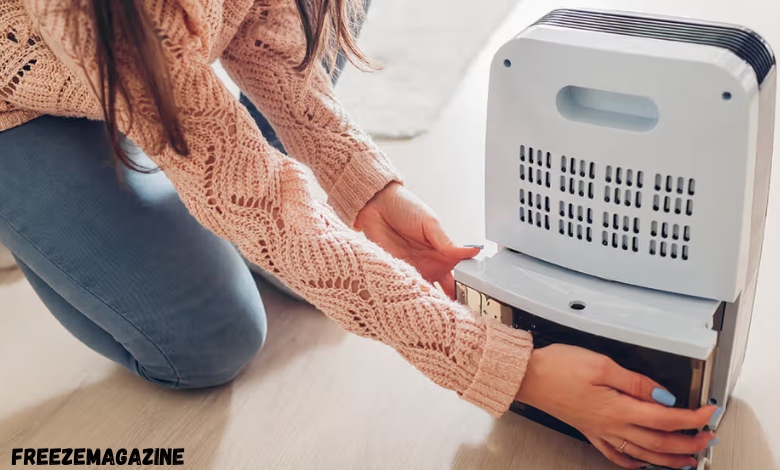
Dehumidifiers work by drawing air into their internal coils. These cooled coils cause water vapor to condense out of the air and into liquid form. Water drips into a tank or drains out through a hose attached to the unit.
While that process sounds simple, the impact it can have on your home is incredible. Controlling your home’s humidity levels between 30-50% makes it impossible for mold and dust mites to live. Without the proper levels of moisture, mold spores won’t grow. If you remove the mold, you’re greatly improving your air quality.
Many modern dehumidifiers come with built-in filters that trap particles while it runs. This provides you with a secondary way to clean your air beyond humidity control.
Where to Best Utilize a Dehumidifier ?
Depending on the size and layout of your home, some rooms will be more susceptible to harboring mold and dust than others. Try using dehumidifiers in these problem areas first:
- Basements — Being below ground level, basements are the most common culprit for causing dampness in a home
- Bathrooms — Hot showers produce large amounts of steam. Without proper ventilation, that humidity gets trapped for hours
- Kitchen — Cooking can produce the same effect as a hot shower. Make sure your kitchen is ventilated to the outside
- Laundry Room — Your washer and dryer are putting high volumes of moisture into the air each day
- Bedrooms — If your bedroom feels stuffy every night, it could be affecting your sleeping habits and health
In areas where humidity is high year-round (like Houston), run dehumidifiers in multiple rooms during summer months. Texas humidity can make the air feel sticky and uncomfortable. With Gulf moisture flowing in from June-August, indoor humidity can rise above recommended levels without you noticing.
What Size Dehumidifier Do I Need?
It would be best if you had more than one dehumidifier to tackle different rooms. The size of the dehumidifier matters as well. A small dehumidifier for closets won’t do you much good in an open basement. When purchasing a dehumidifier, look at the pints per day capacity.
A capacity of 50 pints or more will be sufficient for large spaces, like your basement or living room. Bedrooms and smaller rooms will be fine with a unit over 30 pints. If your entire home suffers from humidity problems, get a whole-home dehumidifier that attaches to your HVAC system.
Whole-home units are more costly, but they treat every room at once. Also pay attention to the Energy Star rating of your unit. Dehumidifiers run continuously, so getting an energy-efficient model helps lower your electric bill.
Household Habits that Increase Effectiveness
Dehumidifiers can only do so much to help your air quality. If you lead by example and change a few daily habits, you’ll notice a bigger difference. Try to follow these simple steps:
- Open windows to circulate air on dry days
- Use exhaust fans in bathrooms and kitchen when showering or cooking
- Repair any leaky pipes or roofs in your home quickly
- Hang-dry clothes outdoors or in the laundry room
- Avoid hanging damp clothing or towels in closets
Reducing the amount of humidity your dehumidifier has to process will benefit your machine. Your air will feel fresher while you increase the lifespan of your dehumidifier.
The Secret to a Healthier Home
There are countless ways you can improve the air that you and your family breathe every day. From air filters to water quality, we put a lot of thought into home projects that promise better health. Humidity might not be the first thing that comes to mind when thinking of unhealthful air.
Reducing moisture in your home is one of the best places you can start. Between using a dehumidifier and maintaining daily habits, you’ll notice your family feels healthier in no time. And it doesn’t cost as much as you think. You don’t need to remodel your home or spend money on fancy filters. Take humidity out of the equation, and you’ll be on your way to cleaner air.
Case Study: Fighting Mold and Dust Mites with a Dehumidifier
Client: Humid indoor air was affecting four-person family
Problem: Frequent sneezing, coughing, runny noses, itchy eyes, sinus pressure. Mild asthma attacks. Condensation on windows, mildew smell in bedrooms, mold growing on the bathroom tile and behind furniture.
Solution:
- Purchase two dehumidifiers, one for basement and one for main floor.
- Keep humidity levels between 35–45%, as measured by a hygrometer
- Run dehumidifiers continuously in bathrooms and laundry room
- Practice better ventilation habits like opening windows on dry days and using exhaust fans
- Discard moldy items and fully dry home before returning cleaning and prevention measures
Results:
Lowered humidity from >65% to about 40% consistently
Stopped mold growth and eliminated odors
Lessened allergy symptoms in just a couple of weeks
Was able to sleep better and feel comfortable in home again
Moral of the story: Humidity is the easiest way to kill indoor airborne pollutants. Using a dehumidifier reduces contact with mold, dust mites, and most allergens floating around your home.
Frequently Asked Questions(FAQs)
Will high humidity in my home make me sick?
Indoor humidity can promote the growth of mold, dust mites, and bacteria which cause allergies, asthma, and infections.
What indoor humidity level is unhealthy?
Indoor humidity should stay below 60%. Anything above is too high and can cause mold growth.
What indoor humidity level is ideal?
Ideally, humidity levels should be between 30–50%. For most homes and families we recommend 35–45%.
How does a dehumidifier prevent sickness?
By extracting extra moisture from the air, there won’t be enough humidity for mold spores and dust mites to grow.
What rooms are most important to use a dehumidifier in?
Basements, bathrooms, kitchens, laundry rooms, and bedrooms are all rooms that typically have higher humidity levels.
Can I use a dehumidifier for allergies?
Yes! By controlling humidity levels, you can greatly reduce your exposure to allergens like mold and dust mites.
Will a dehumidifier help my asthma?
Asthma is typically triggered by environmental factors. Since dust mites and mold are common triggers, a dehumidifier may help prevent asthma attacks.
Do I need more than one dehumidifier?
If you have a larger home or need multiple rooms treated, you may need more than one dehumidifier. Whole-home systems are also available.
9. Are dehumidifiers by themselves enough?
A. While dehumidifiers will do the majority of the work, you should still practice good ventilation habits and fix any water leaks in your home.
10. How long before I start feeling healthier?
A. Some people notice a difference in a couple of days. Others will take a few weeks, but most people stop having symptoms once their humidity levels are controlled.








Post Comment