The Importance of Sound Management in Open Office Environments
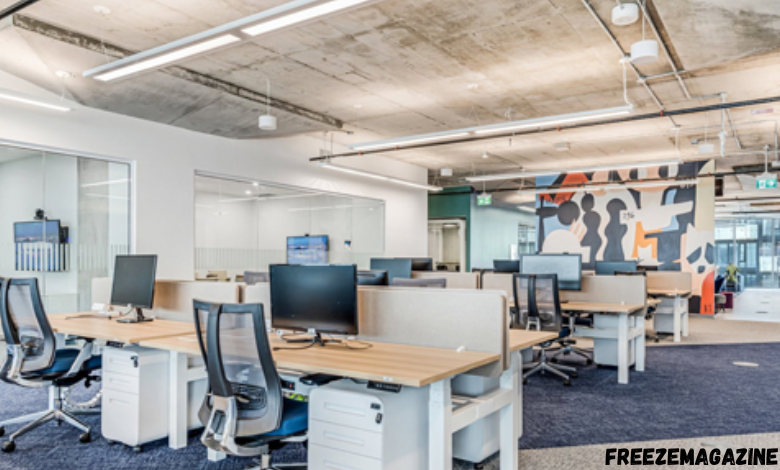
Open workspaces have emerged as a go-to design for modern offices, offering benefits like enhanced collaboration, greater flexibility, and better space utilization. However, this open design often brings with it a significant challenge: controlling noise. Without effective sound management, even the most well-designed office can become filled with distractions. This is where noise control consultants come in, playing a key role in creating an environment that promotes both productivity and well-being.
Noise as a Challenge in Open Office Spaces
The open office model aims to foster teamwork by eliminating physical barriers that traditionally separated individual workspaces. While this encourages interaction, it also introduces a common problem: noise. Everyday office sounds—like phone calls, discussions, and the tapping of keyboards—can lead to distractions, decreased focus, and increased stress. Without a proper noise control strategy, workers can find it difficult to concentrate, resulting in lowered productivity and potential burnout. Managing noise effectively is essential to maintaining a functional and healthy office environment.
How Noise Affects Focus and Productivity
The impact of noise on productivity cannot be overstated. Even brief interruptions can severely disrupt concentration. In a shared office, the constant hum of conversations and background noise can result in mental fatigue, reducing the ability to perform at one’s best. It’s not just about how loud the noise is; clarity of speech plays a crucial role. When conversations are clear and audible, the brain processes them automatically, contributing to cognitive overload that can hinder deep concentration. This is why many businesses turn to noise control consultants, who develop customized acoustic strategies based on the office’s design and usage.
The Expertise of Noise Control Consultants in Workspace Design
Noise control consultants are experts in the science of sound. They assess office spaces to identify noise issues and provide practical solutions to improve acoustic conditions. Their role goes beyond simply installing acoustic panels—they analyze the space’s acoustics, including how sound travels and interacts with the environment.
Key focus areas for noise control consultants include:
- Sound masking systems that create a consistent noise background
- Acoustic partitions and dividers to manage sound flow
- Appropriate flooring materials and furniture selection
- The introduction of quiet zones like private phone booths
These professionals understand how various elements—like glass walls, open ceilings, or hard floors—can affect sound. Their insights help businesses create spaces that are both functional and acoustically comfortable.
Creating the Right Balance Between Collaboration and Quiet
While open offices promote collaboration, it’s essential to provide areas where employees can focus without distractions. Effective office design should incorporate both shared spaces for teamwork and quiet areas for uninterrupted work. Noise control experts help create layouts that reduce disruptions while maintaining areas that encourage collaboration. This balance supports diverse work styles, from brainstorming sessions to solo tasks.
Enhancing Employee Health and Well-Being
Noise doesn’t just impact productivity; it can also affect physical and mental health. Prolonged exposure to high noise levels can increase stress, contribute to health problems like headaches and high blood pressure, and even lead to burnout. A well-planned acoustic environment helps reduce these risks, improving comfort, communication, and engagement within the workplace. By addressing noise proactively, companies demonstrate a commitment to their employees’ well-being.
Investing in good acoustics offers long-term value for companies. Offices designed with sound management in mind operate more efficiently, require fewer adjustments down the line, and ensure a happier workforce. This is especially important in flexible office environments, such as co-working spaces, where frequent tenant turnover can lead to shifting needs. Noise control consultants ensure that these spaces remain functional, adaptable, and conducive to a positive work experience.
Conclusion
In modern office design, aesthetics alone aren’t enough to ensure a successful workspace. By incorporating sound management into office layouts, businesses can create spaces that are not only attractive but also supportive of their employees’ focus, collaboration, and overall health. Noise control consultants provide the expertise needed to transform open offices into environments where people can work and thrive.










Post Comment