Signs You May Need Endodontic Treatment in Singapore
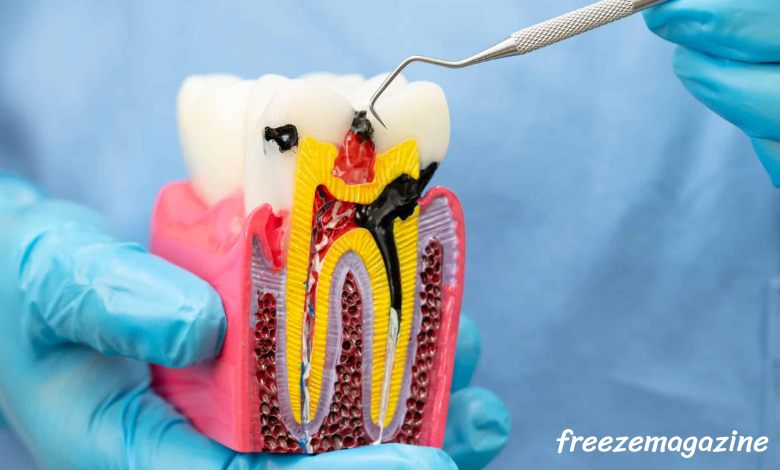
Tooth pain and sensitivity are often dismissed as minor issues, yet they can indicate deeper dental problems requiring endodontic treatment. Endodontics focuses on treating the tooth’s inner structures, particularly the pulp and root canals, to save natural teeth and prevent infection from spreading.
For Singapore patients, recognizing early warning signs is crucial. Timely intervention can prevent more invasive procedures, reduce recovery time, and preserve your natural teeth. This guide explains the key signs that indicate you may need endodontic treatment, how procedures work, and why consulting a qualified dentist early matters.
What Is Endodontic Treatment?
The most common procedure is root canal treatment, which removes infected or inflamed pulp, cleans and disinfects the canals, and seals the tooth to prevent reinfection.
Modern endodontic care allows dentists to save teeth that would otherwise require extraction. This preserves normal chewing function, maintains bite alignment, and reduces the risk of jawbone deterioration.
Common Causes of Pulp Damage
Pulp damage can develop gradually or result from trauma. Common causes include:
- Deep tooth decay that reaches the pulp
- Cracked or fractured teeth from accidents or grinding
- Repeated dental procedures on the same tooth
- Dental trauma from sports or accidental injuries
Understanding these causes helps patients identify risks early and seek professional evaluation before pain worsens.
Signs You May Need Endodontic Treatment
1. Persistent Tooth Pain
Continuous or throbbing tooth pain, especially when chewing, often indicates that the nerve inside the tooth is inflamed or infected. The pain may range from mild to severe and often worsens over time.
2. Sensitivity to Hot or Cold
Lingering discomfort after consuming hot or cold food and drinks is a classic sign of pulp irritation. If the sensitivity lasts longer than a few seconds, it may require endodontic evaluation.
3. Swelling or Tender Gums
Localized swelling near a specific tooth, sometimes accompanied by a small bump or pus drainage, suggests an infection has spread beyond the pulp.
4. Tooth Discoloration
A tooth that darkens or turns grey, especially after trauma, may indicate nerve damage. Discoloration can occur gradually and may not always be painful, making regular dental check-ups important.
5. Pain When Chewing or Biting
If you experience sharp pain or discomfort when biting down, it can signal a compromised pulp. Early detection allows dentists to save the tooth before structural damage worsens.
How Endodontic Treatment Works
Endodontic treatment follows a structured, effective process designed to eliminate infection and restore tooth function.
Diagnosis and Imaging
Using digital X-rays or 3D imaging, dentists evaluate pulp damage and assess the intricacy of root canal procedures. Accurate diagnosis ensures safe and effective treatment.
Cleaning and Disinfecting
Modern rotary instruments and irrigation solutions improve precision and success rates.
Sealing and Restoration
Most treated teeth require a crown to restore strength and functionality, particularly molars.
Recovery and Aftercare
Recovery from endodontic treatment is typically quick. Patients can resume normal activities shortly after the procedure, though dentists advise avoiding chewing on the treated tooth until permanent restoration is in place.
Maintaining proper oral hygiene, attending follow-ups, and addressing any discomfort with recommended medications supports long-term success.
Endodontics vs Tooth Extraction
Some patients may consider extraction as a faster solution. While removing a tooth eliminates infection immediately, preserving the natural tooth is generally preferable. Endodontics maintains bite alignment, jawbone density, and overall oral health, reducing the need for replacement procedures such as implants or bridges.
In Singapore, many dental clinics prioritize conservative care, emphasizing endodontic treatment whenever feasible.
Choosing the Right Clinic in Singapore
Selecting a skilled and experienced dentist is critical for successful endodontic treatment. Clinics that use modern technology, follow evidence-based practices, and provide clear explanations about procedures help patients make informed decisions.
Clinics such as Nuffield Dental focus on patient education, careful diagnosis, and conservative treatment planning, ensuring optimal outcomes while minimizing risks.
Final Thoughts
Recognizing the signs that you may need endodontic treatment is key to preserving your natural teeth and avoiding complications. Persistent pain, sensitivity, swelling, discoloration, or discomfort when chewing should prompt an early visit to a qualified dentist.
Timely intervention not only resolves pain but also ensures long-term oral health. Consulting a trusted Singapore dental clinic like Nuffield Dental allows patients to receive expert care, make informed decisions, and maintain healthy, functional teeth for years to come.
FAQs: Endodontic Treatment Signs
1.What are the signs that indicate I might need a root canal?
Persistent pain, prolonged sensitivity, gum swelling, or tooth discoloration are common indicators.
2. Is endodontic treatment painful?
Modern techniques and anesthesia make the procedure comfortable. Post-treatment soreness is usually mild and temporary.
3. Can I ignore mild tooth sensitivity?
Even mild sensitivity can indicate pulp irritation. Early evaluation prevents infection from worsening.
4. How much time is needed for recovery after a root canal procedure?
Most patients recover within a few days. Full restoration may take a couple of weeks if a crown is required.
5. Can an infected tooth be treated without a root canal?
Minor inflammation may respond to temporary measures, but persistent pulp infection typically requires endodontic treatment.










Post Comment