7 Things You Must Know About Contract Breaks And Legal Consequences
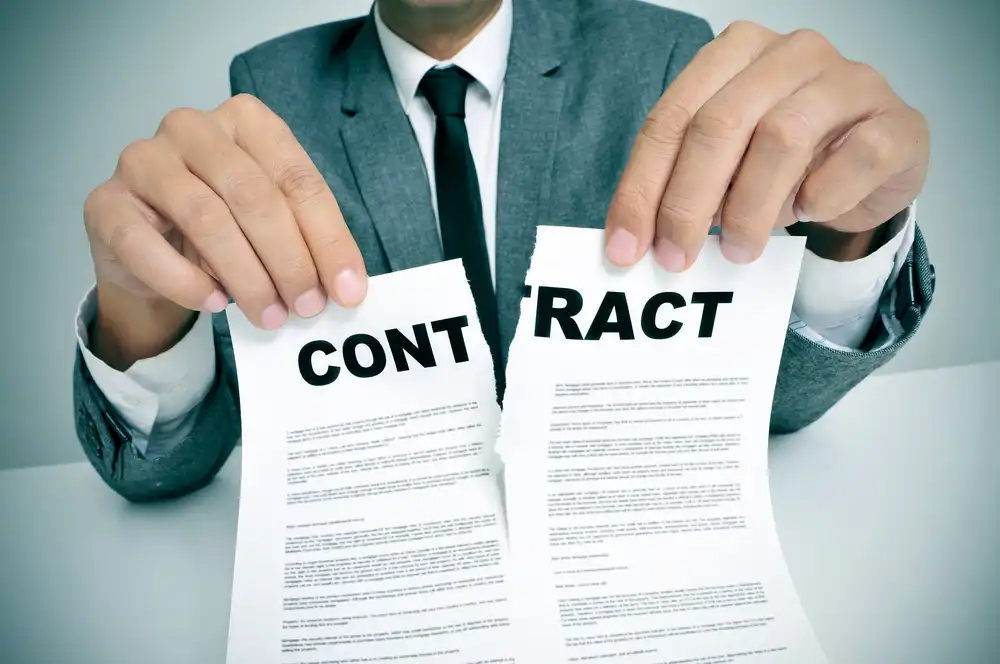
Contracts are very important. Businesses sign them all the time. People agree to do things. People agree to pay money. People agree to deliver products. Everyone promises to follow the rules. But sometimes people break promises. Breaking contracts happens often. When contracts break, bad things happen. Money gets lost. Relationships end badly. Lawsuits start happening. Knowing what happens helps you protect yourself. Here are seven things you must know about contract breaks and legal consequences.
Thing 1: Breaking A Contract Is Very Serious
A contract is a legal promise. Two people or businesses make an agreement. They write down what each person will do. They sign their names. Now they are bound by law. Breaking the contract means breaking a legal promise. Breaking means you did not do what you promised. Breaking means you failed to perform.
When someone breaks a contract, the other person gets hurt. They lose money. They lose time. They lose opportunities. They may lose their whole business. Breaking contracts damages people badly. This is why breaking is so serious. This is why the law protects people who lose money.
Understanding how serious breaking is helps you. It helps you keep your promises. It helps you think before breaking. It helps you realize the consequences. Breaking a contract is never something to take lightly. It is never something to do on purpose.
Thing 2: There Are Legal Remedies Available
When someone breaks your contract, you have options. The law gives you ways to fix the problem. These ways are called remedies. Remedies help you get what you lost. Remedies help you recover money. Remedies help you get justice.
The most common remedy is money damages. The court tells the other person to pay you money. They pay for all the losses you suffered. They pay for profits you lost. They pay for the money you spent. Money damages tries to make you whole again. It tries to put you back where you started before the break.
Another remedy is called specific performance. The court tells the other person to do what they promised. They must perform the contract. They must do the exact thing they promised. This remedy works when money alone cannot fix things. This remedy makes them finish their job.
A third remedy is cancellation. The court cancels the contract completely. Both sides are released from promises. The contract ends officially. Neither side has to do anything anymore. This remedy works when the contract cannot be fixed.
Understanding your remedies helps you know what to expect. It helps you plan your case. It helps you decide what to do. Getting help from a law firm focused on business law (like this firm) helps you understand all your options clearly.
Thing 3: You Must Prove The Contract Existed
Before you can win your case, you must prove something existed. You must prove the contract was real. You must prove both people agreed. You must prove the other person broke it. You must prove you lost money because of the break.
Proving a contract existed means having the contract in writing. You need the actual paper or email. You need signatures. You need dates. You need all the promises written down clearly. Written contracts are much stronger than verbal ones. Verbal contracts are very hard to prove.
If you do not have the contract written down, proving it becomes very hard. You must find witnesses. You must find people who heard the promises. You must find proof that an agreement happened. This takes much longer. This costs much more money. This is why written contracts matter so much.
Always get contracts in writing. Always have both people sign. Always keep copies. Always save emails about the agreement. Proof is everything in contract cases. Without proof, your case falls apart fast.
Thing 4: You Must Show You Did Your Part
Courts require fairness. If you want money from a broken contract, you must show something first. You must show you did what you promised. You must show you kept your promises. You must show you were ready to perform.
If you broke your promises too, the court may reduce your money. The court may say you share the blame. Shared blame means shared consequences. Shared blame reduces your payment. This is called comparative fault. Comparative fault means both sides are wrong.
Being honest about what you did helps. Admitting mistakes helps your case sometimes. Showing you tried helps. Showing you communicated helps. Showing you were reasonable helps. Courts like people who act fairly. Courts punish people who act badly.
Thing 5: Timing For Suing Is Very Important
You cannot wait forever to sue. The law gives you a time limit. This time limit is called a statute of limitations. The statute of limitations is usually four years for contract breaks. Four years from the day of the break. After four years, you cannot sue anymore.
Four years sounds like a long time. But it passes quickly. Evidence gets lost. Witnesses forget things. People move away. Documents disappear. Time works against you. Starting your lawsuit fast is much better. Starting early protects your case.
Do not wait to talk to a lawyer. Talk to a lawyer immediately. Talk to a lawyer when the break happens. Talk to a lawyer when you first realize the break. Early action helps your case greatly. Early action saves evidence. Early action saves witnesses. Early action saves money.
Thing 6: Different Types Of Damages Exist
Not all money is the same in contract cases. The law recognizes different types of damages. Understanding types helps you know what to expect. Understanding types helps you know your case value.
Compensatory damages are the main type. These are damages that make you whole. This is money for what you lost. This is money for profits lost. These are money for costs you had to pay. Compensatory damages try to put you back where you started.
Consequential damages are different. These are damages that follow from the break. These are damages that happen because of the first break. These are extra damages from the break. Consequential damages are sometimes allowed. Sometimes courts refuse them.
Liquidated damages are also different. These are damages that both people agreed to ahead of time. If the contract breaks, both know the exact price. The price is already written in the contract. Liquidated damages are quick to calculate. Liquidated damages avoid big arguments.
Punitive damages are rare in contract cases. These are damages meant to punish. These are damages meant to teach a lesson. Courts rarely give these for contract breaks. Punitive damages usually come from torts instead. Understanding this helps you know what to ask for.
Thing 7: Getting A Lawyer Helps You Greatly
Contract cases can be very complicated. The law has many rules. The law has many exceptions. The law changes based on facts. A lawyer knows all these rules. A lawyer knows how to win cases. A lawyer protects your interests.
A lawyer reviews your contract carefully. A lawyer finds the other person’s mistakes. A lawyer builds your case strong. A lawyer negotiates with the other side. A lawyer may settle the case. A lawyer may take it to court. A lawyer fights for your money.
Without a lawyer, you may lose. You may not know the rules. You may make mistakes. You may say wrong things. You may give up too early. You may accept too little money. Having a lawyer protects you from all these mistakes.
Why This Matters For You
Breaking contracts happens every day. Millions of businesses face this problem. Millions of people lose money. But you do not have to be helpless. You have rights. You have remedies. You have legal protection. You can get your money back.
Knowing these seven things helps you. Knowing helps you protect yourself. Knowing helps you decide what to do. Knowing helps you understand your options. But knowing alone is not enough. You need professional help. You need a lawyer on your side.
CONCLUSION
Contracts are legal promises. Breaking contracts is very serious. Breaking causes real damage. Real money gets lost. Real pain happens. But the law protects you. The law gives you remedies. The law gives you justice.
Seven things matter most. First, breaking is serious. Second, remedies exist. Third, you must prove the contract. Fourth, you must show you did your part. Fifth, timing matters greatly. Sixth, different damages exist. Seventh, lawyers help you win.
Understanding these things protects you. Acting on this knowledge helps you. Getting lawyer help saves you. Getting help saves your money. Getting help saves your business. Getting help saves your future.








Post Comment