7 Lapel Microphone Foam Cover Mistakes That Ruin Your Audio (And How to Fix Them)
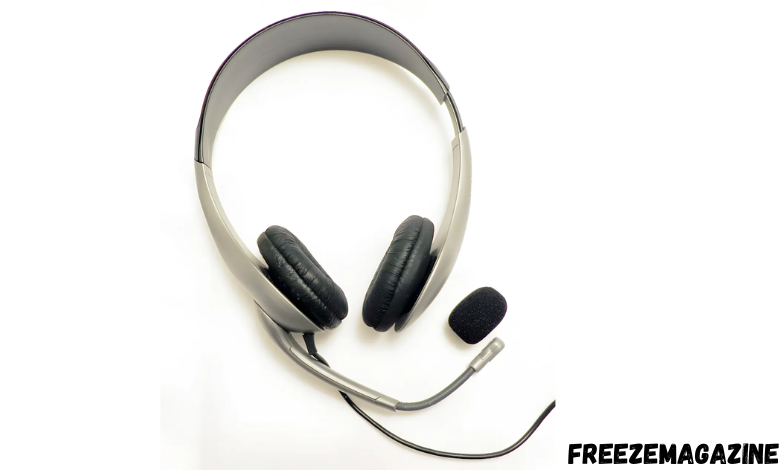
Audio professionals across broadcasting, corporate communications, and live event production face a persistent challenge that often goes unaddressed until it becomes costly. Poor microphone performance during critical recordings or presentations can damage professional credibility and require expensive re-recording sessions. While technical teams focus on equipment specifications and signal chains, a fundamental component that directly affects audio quality frequently receives insufficient attention.
Wind noise, plosive sounds, and inconsistent audio levels plague productions regardless of microphone quality or mixing expertise. These issues stem from improper use and maintenance of protective accessories that serve as the first line of defense against environmental interference. The operational cost of audio problems extends beyond immediate technical concerns, affecting project timelines, client relationships, and overall production reliability.
Understanding common implementation mistakes helps audio professionals maintain consistent performance standards while avoiding the disruptions that compromise professional output. These errors occur across all experience levels and can be systematically addressed through proper practices.
Inadequate Wind Protection Creates Inconsistent Audio Quality
Wind and air movement represent the primary threats to clean lapel microphone recordings, yet many audio professionals underestimate the protection requirements for different environments. A properly fitted lapel microphone foam cover creates a barrier that disrupts airflow around the microphone capsule without significantly affecting frequency response. The foam material absorbs and deflects moving air while maintaining acoustic transparency for the intended audio signal.
Environmental factors beyond obvious outdoor conditions generate problematic air movement. Indoor spaces with HVAC systems, computer cooling fans, or even natural convection from lighting equipment create subtle but audible interference. The microphone capsule responds to these air currents as legitimate audio signals, producing low-frequency rumble and midrange artifacts that degrade overall recording quality.
Indoor Air Movement Sources Often Go Unrecognized
Controlled indoor environments present unique challenges because air movement sources operate continuously but remain largely invisible to production teams. Climate control systems cycle throughout recording sessions, creating intermittent noise that appears randomly in the audio. Computer equipment generates thermal currents that rise past lapel microphones, while overhead lighting produces convection effects that intensify over extended recording periods.
These conditions require foam protection even when traditional wind concerns seem absent. The acoustic signature of indoor air movement differs from outdoor wind but produces equally disruptive results in the final recording. Production teams that recognize these factors early avoid the costly discovery of compromised audio during post-production review.
Outdoor Conditions Demand Comprehensive Protection Strategies
Outdoor recording environments present obvious challenges, but the degree of protection required often exceeds initial estimates. Light breezes that feel barely perceptible create significant microphone interference, while sudden gusts can produce audio spikes that render entire segments unusable. The relationship between actual wind speed and recorded interference follows an exponential curve rather than a linear progression.
Professional productions account for changing conditions throughout recording sessions by implementing protective measures that exceed current environmental demands. Wind patterns shift unpredictably, and atmospheric conditions can deteriorate rapidly during outdoor shoots. Adequate foam protection provides consistent results across varying conditions rather than optimal performance only under ideal circumstances.
Improper Foam Cover Sizing Compromises Protection Effectiveness
Foam cover effectiveness depends heavily on proper sizing that creates an appropriate seal around the microphone capsule without restricting acoustic performance. Loose-fitting covers allow air movement to reach the microphone surface, while overly tight installations can compress the foam material and reduce its protective properties. The sizing relationship affects both mechanical stability and acoustic characteristics of the protection system.
Microphone manufacturers design capsules with specific dimensional tolerances, but aftermarket foam covers often use generic sizing that may not align with particular microphone models. This mismatch creates gaps or compression points that compromise the protective barrier while potentially affecting frequency response characteristics.
Loose Fitting Allows Environmental Interference
Inadequate foam cover attachment creates pathways for air movement to bypass the protective barrier and reach the microphone capsule directly. These gaps form when the cover diameter exceeds the microphone housing or when the mounting mechanism fails to secure the foam properly. Even small openings allow sufficient air movement to generate audible artifacts in the recording.
The positioning of gaps affects the type of interference that occurs. Openings near the microphone diaphragm produce more severe artifacts than those at the base of the capsule, but any breach in the protective barrier reduces overall effectiveness. Proper fitting requires attention to both the initial installation and ongoing security throughout the recording session.
Excessive Compression Reduces Acoustic Transparency
Overly tight foam covers compress the protective material and alter its acoustic properties in ways that affect legitimate audio signals. Compressed foam becomes denser and less permeable, creating resistance to sound waves that can attenuate high frequencies and modify the microphone’s natural response characteristics. This compression also reduces the foam’s ability to absorb and deflect air movement effectively.
The compression effect intensifies over time as the foam material conforms to the mounting pressure. Initial installations may appear acceptable but gradually develop acoustic restrictions as the material deforms. Regular inspection helps identify compression issues before they significantly impact recording quality.
Neglecting Foam Material Maintenance Degrades Performance Over Time
Foam covers accumulate contaminants and experience material degradation that progressively reduces their protective effectiveness and acoustic transparency. Environmental exposure introduces dust, moisture, and other particles that alter the foam’s structure and acoustic properties. These changes occur gradually but eventually compromise the cover’s ability to provide consistent protection.
Professional audio applications require reliable performance across multiple recording sessions, making foam cover maintenance an operational necessity rather than a convenience. Contaminated or degraded covers introduce inconsistencies that affect audio quality and create unpredictable results during critical recordings.
Contamination Affects Acoustic Properties
Dust and particulate matter accumulate within foam structures and modify their acoustic behavior by altering air permeability and resonance characteristics. These contaminants create irregular density patterns that affect how sound waves pass through the material. The accumulation process occurs gradually but eventually reaches levels that produce audible effects in recordings.
Moisture absorption presents additional challenges by changing the foam’s mechanical and acoustic properties temporarily or permanently, depending on the material composition. High humidity environments or direct moisture exposure can cause foam covers to retain water, creating acoustic barriers that affect frequency response and potentially promoting material degradation.
Material Degradation Reduces Protective Effectiveness
Extended use and environmental exposure cause foam materials to lose their structural integrity and protective capabilities. The cellular structure of foam breaks down over time, reducing its ability to absorb and deflect air movement while potentially creating pathways for environmental interference. This degradation process accelerates under harsh conditions but occurs inevitably with normal use.
Visual inspection reveals obvious signs of material breakdown, but acoustic degradation often begins before visible damage appears. Regular replacement schedules help maintain consistent protection levels rather than waiting for obvious failure indicators that may compromise recordings before detection.
Incorrect Installation Techniques Create Stability Problems
Proper foam cover installation requires attention to mechanical security that maintains protection throughout dynamic recording situations. Movement, vibration, and handling during production can displace poorly installed covers, creating intermittent protection that varies unpredictably during recording sessions. Installation techniques must account for the mechanical stresses that occur during normal use.
Professional recording environments involve talent movement, equipment adjustments, and environmental factors that can affect microphone accessories. Installation methods that appear adequate under static conditions may fail when subjected to realistic operational stresses.
Insufficient Mechanical Security Allows Movement
Foam covers that lack proper mechanical attachment can shift position during recording, creating variable protection levels that affect audio quality inconsistently. This movement may occur gradually through normal wear or suddenly due to contact with clothing, equipment, or environmental factors. The resulting changes in protection effectiveness create audio artifacts that appear randomly throughout recordings.
According to the Audio Engineering Society, mechanical stability of microphone accessories directly impacts recording consistency and professional audio quality. Installation techniques that prioritize both initial security and long-term stability help prevent displacement issues that compromise recording sessions.
Dynamic recording situations involving talent movement or equipment repositioning place additional stress on foam cover installations. These conditions require mounting methods that accommodate normal operational stresses without compromising protective effectiveness or creating mechanical noise through contact with the microphone housing.
Improper Orientation Affects Protection Coverage
Foam cover orientation relative to the microphone capsule and expected air movement directions influences protection effectiveness significantly. Covers installed without consideration for directional factors may provide adequate protection against some interference while leaving vulnerabilities to environmental conditions from other directions.
Microphone directional patterns and capsule designs create specific requirements for foam cover positioning that optimize protection without interfering with intended audio pickup patterns. Proper orientation ensures comprehensive coverage while maintaining the microphone’s designed acoustic characteristics.
Environmental Considerations Often Receive Insufficient Planning
Recording environments present unique challenges that require specific foam cover strategies tailored to anticipated conditions rather than generic protection approaches. Temperature variations, humidity levels, and environmental contaminants affect both foam performance and longevity in ways that impact recording quality and operational costs.
Professional productions benefit from environmental assessment that identifies potential challenges before they affect recording quality. This planning approach allows teams to implement appropriate protection strategies rather than reacting to problems after they compromise audio quality.
Temperature Effects Modify Foam Characteristics
Extreme temperatures alter foam material properties in ways that affect both protective effectiveness and acoustic transparency. Cold conditions can make foam materials rigid and less effective at absorbing air movement, while high temperatures may cause softening that compromises mechanical stability. These temperature effects create seasonal or location-specific challenges that require planning and adaptation.
Indoor recording environments with significant temperature variations, such as spaces with intensive lighting or minimal climate control, present similar challenges to outdoor conditions. Equipment heat generation can create localized temperature effects that impact foam performance even in otherwise controlled environments.
Humidity Levels Affect Material Performance
High humidity environments introduce moisture into foam structures that can alter acoustic properties and promote material degradation. The moisture absorption affects air permeability and may create temporary acoustic barriers that modify frequency response. Persistent high humidity can lead to permanent material changes that reduce protective effectiveness.
Condensation formation on foam covers creates additional challenges by introducing water directly into the protective barrier. This condition occurs when moving between temperature zones or during outdoor recordings with high humidity levels. The resulting acoustic effects can compromise recording quality until the moisture evaporates or is removed.
Frequency Response Impact Receives Inadequate Attention
Foam covers inevitably affect microphone frequency response characteristics, but many audio professionals fail to account for these changes in their recording and post-production workflows. Understanding the acoustic impact helps teams make informed decisions about foam selection and implementation that balance protection benefits with acceptable audio modifications.
Professional applications require predictable and consistent audio characteristics that allow for reliable post-production processing and quality standards. Foam covers that introduce unpredictable or excessive frequency response changes create challenges that extend beyond the initial recording phase.
High Frequency Attenuation Affects Audio Clarity
Most foam materials introduce some degree of high-frequency attenuation that can affect audio clarity and perceived quality. The degree of attenuation depends on foam density, thickness, and material composition, but even minimal effects accumulate over the frequency spectrum to create audible changes in the final recording.
Professional recording standards often require minimal deviation from natural microphone response characteristics, making foam selection an important consideration for maintaining audio quality. Understanding the trade-offs between protection effectiveness and frequency response impact helps teams make appropriate choices for specific recording requirements.
Resonance Effects Create Unwanted Artifacts
Foam covers can introduce resonance effects at specific frequencies that create artifacts in recordings. These resonances occur when the foam structure or air cavity dimensions align with particular audio frequencies, creating emphasis or attenuation that appears as coloration in the final audio. The resonance characteristics vary with foam type and installation method.
Identifying and minimizing resonance effects requires attention to foam selection and installation techniques that avoid problematic acoustic interactions. Professional applications benefit from testing and verification that identifies potential resonance issues before they affect important recordings.
Cost-Effectiveness Analysis Often Overlooks Long-Term Factors
Foam cover selection decisions frequently focus on initial cost considerations while neglecting long-term factors that affect overall operational expenses and recording quality. Comprehensive cost analysis includes material longevity, replacement frequency, and the operational costs associated with audio quality problems that result from inadequate protection.
Professional audio operations require reliable cost projections that account for all factors affecting recording quality and operational efficiency. Foam cover decisions impact these factors in ways that extend far beyond initial purchase costs.
Material Quality Affects Replacement Frequency
Higher quality foam materials typically provide longer service life and more consistent performance over time, reducing replacement frequency and associated operational disruptions. The relationship between material cost and longevity often favors premium options when evaluated over extended operational periods.
Frequent replacement requirements create operational inefficiencies beyond material costs by requiring inventory management, installation time, and potential recording delays. These indirect costs often exceed the price differences between material quality levels, making premium options more cost-effective for professional applications.
Audio Quality Problems Generate Hidden Costs
Inadequate foam protection that results in compromised audio quality creates operational costs through re-recording requirements, extended post-production time, and potential client relationship impacts. These costs often exceed the expenses associated with implementing proper protection measures but remain hidden in project budgets and operational analysis.
Professional audio standards leave little tolerance for quality compromises that result from inadequate protective measures. The cost of maintaining these standards through proper foam cover implementation represents a necessary operational expense rather than an optional enhancement.
Conclusion
Professional audio production demands consistent quality that depends on attention to fundamental protective measures often taken for granted. Foam cover implementation affects recording reliability in ways that extend far beyond simple wind protection, influencing overall operational effectiveness and client satisfaction. The seven mistake categories outlined represent systematic issues that audio professionals can address through improved practices and informed decision-making.
Successful foam cover strategies require understanding the relationship between environmental factors, material properties, and recording requirements specific to each operational context. This understanding enables teams to implement protective measures that enhance rather than compromise recording quality while maintaining operational efficiency. The investment in proper foam cover selection and implementation pays dividends through improved recording consistency and reduced operational disruptions.
Audio professionals who recognize foam covers as integral components of their recording systems rather than afterthought accessories achieve better results with lower operational costs. This perspective shift enables systematic approaches to protection that support professional audio standards while maintaining the flexibility required for diverse recording environments and operational demands.




Post Comment