Why Digitising Old Content Is No Longer Just a Personal Project
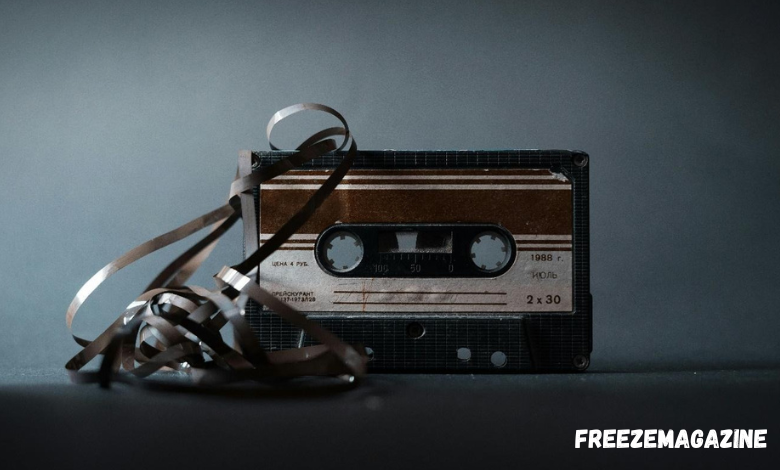
Have you ever opened a cupboard at work and found a box of old tapes you meant to deal with years ago? They don’t come up often, but you know, once they stop playing, whatever’s on them is gone.
That used to feel personal. Old family recordings, events, things you meant to convert someday. Now the same boxes sit in small offices and studios. Training footage, past projects, and records people still ask for. It’s no longer sentimental clutter. It’s business content, and losing it would actually matter.
When “We’ll Sort It Later” Stops Working
For years, old media was easy to ignore. It sat on a shelf, didn’t interrupt work, and rarely caused problems right away. So, it stayed there. That worked when teams were smaller, and work happened in one place.
Now, work moves differently. Files are shared, accessed remotely, and expected to be ready on demand. Physical formats don’t fit that pace. Someone needs the right player. It still needs to function. Sharing becomes awkward. At first, it’s a small delay. Then it keeps happening. Eventually, the issue isn’t timing. It’s why the business still relies on something this fragile at all.
Why Format Conversion Matters More Than Nostalgia
There is a practical middle ground between outdated tapes and fully cloud-based systems. Many businesses start by moving legacy footage into formats that are easier to store, duplicate, and access without specialised equipment. This step is less about chasing the latest technology and more about stabilising what already exists.
Old training videos, archived interviews, recorded events, or promotional footage often hold value that isn’t obvious until it’s needed. When these materials remain trapped on aging formats, they become unreliable assets. The content still exists, but access becomes unpredictable. That unpredictability is the real cost.
This is where digital formats like DVD play a role, especially as a transitional step. For many small businesses, it offers a stable, familiar way to preserve content while planning for longer-term digital storage without rushing the process or losing material along the way.
Small Businesses Feel This Pressure First
Large organisations tend to have formal archiving systems. Small businesses don’t. Content is stored where there’s space. Responsibility is shared loosely, or not at all. That works until it doesn’t. A staff member leaves and takes institutional knowledge with them. A client asks for historical footage. A regulator wants documentation. Suddenly, the box of old media becomes urgent. And urgency is rarely when good decisions are made.
Digitising content earlier spreads the workload out. It turns a crisis task into a background process. That alone makes it more appealing for small teams already stretched thin.
Access Has Become Part of Value
Content that’s hard to access doesn’t get used. It’s not about making things perfect, just usable. A video people can open, share, or reference quickly has more value than one that needs special equipment and luck. As teams go remote or hybrid, this matters more. Digitisation doesn’t change the content itself. It just makes sure it actually shows up when someone needs it.
The Risk of Waiting Too Long
Physical media doesn’t fail dramatically. It degrades slowly. Sound drops out. Images distort. Players become harder to replace. By the time the problem is obvious, damage may already be done.
Many businesses underestimate this risk because nothing has gone wrong yet. But “yet” does a lot of work in that sentence. Waiting often means accepting partial loss later, even if the intent was to preserve everything. Digitising earlier preserves options. It allows businesses to decide what to keep, what to update, and what to retire on their own timeline, not the media’s.
This Isn’t About Becoming More Technical
One reason digitisation gets delayed is the assumption that it requires technical expertise. In reality, it’s often more about organisation than skill. Knowing what you have. Knowing where it lives. Deciding what matters enough to protect.
The goal isn’t to turn small businesses into media companies. It’s to prevent valuable material from becoming inaccessible due to neglect or outdated formats. Once content is digitised, it can be managed alongside other business files. That integration reduces mental load. Fewer special cases. Fewer reminders taped to cupboards.
A Shift in How Businesses See Their Past
Old content used to represent history. Now it often represents potential. Training materials can be reused. Brand stories can be revisited. Past work can inform future decisions. Digitising that content makes it available for rethinking, not just remembering. It turns archives into resources, even if they are used only occasionally. That shift changes priorities. Preservation stops being sentimental and starts being strategic.
Why This Change Feels Permanent
Digitising old content isn’t a passing productivity trend. It’s a response to how work now functions. Faster timelines. Distributed teams. Higher expectations for access and documentation. Once businesses experience the relief of knowing their content is safe, accessible, and usable, they rarely want to go back. The boxes don’t disappear overnight, but they stop being a source of quiet stress.
What began as a personal project for many has become part of basic business housekeeping. Not glamorous. Not urgent every day. Just necessary, in the same way backups and passwords are. And once handled, rarely missed.




Post Comment