What Patients Should Know About Deep Plane Facelift In UK
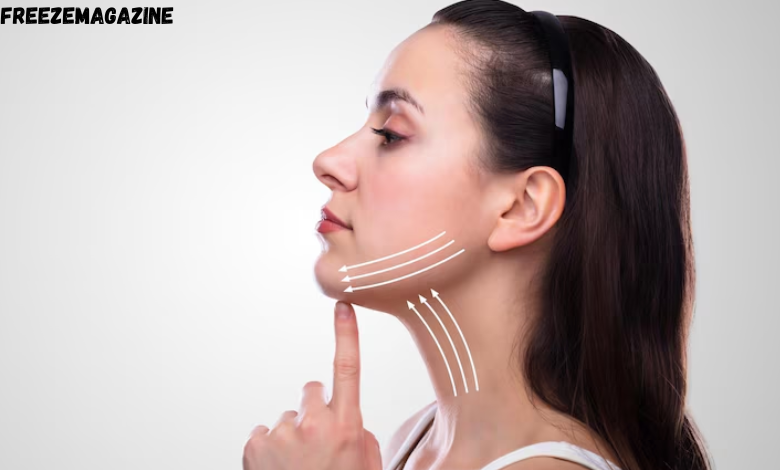
Aging is a natural process that affects the skin, muscles, and underlying facial structures. Over time, gravity, reduced collagen production, and changes in facial volume can lead to sagging, deep folds, and loss of definition along the jawline and neck. For individuals seeking advanced facial rejuvenation, deep plane facelift in UK is considered one of the more comprehensive surgical options available.
Unlike traditional facelift techniques that primarily tighten the skin, the deep plane approach works beneath the surface layers to reposition deeper facial tissues. This can produce more natural-looking and longer-lasting results when performed by an experienced surgeon. Some patients may also consider complementary procedures such as a brow lift in UK to address ageing in the upper face.
Understanding the Deep Plane Facelift
A deep plane facelift is a surgical procedure that lifts and repositions the deeper layers of the face, including muscles and connective tissue, rather than focusing solely on tightening the skin. This technique allows the surgeon to address structural ageing, particularly in the midface, cheeks, jawline, and neck.
The deep plane method differs from traditional facelifts because it releases ligaments that anchor facial tissues, allowing for more natural repositioning without excessive tension on the skin. This approach aims to restore youthful contours while maintaining facial expression.
Areas Commonly Improved
Deep plane facelift in UK is often chosen to improve:
- Sagging cheeks
- Deep nasolabial folds (lines from nose to mouth)
- Jowls along the jawline
- Loss of jaw definition
- Neck laxity
- Overall facial drooping
By lifting deeper tissues, the procedure can create smoother transitions between facial regions and restore balance.
How It Differs From Traditional Facelifts
Traditional facelift techniques typically involve lifting and tightening the skin layer. While this can provide improvement, results may sometimes appear tighter or less natural if not carefully performed.
The deep plane approach works beneath the superficial muscular system, allowing:
- More comprehensive repositioning of facial tissues
- Reduced tension on the skin
- Enhanced longevity of results
- A more natural facial appearance
This technique requires advanced surgical expertise and detailed anatomical knowledge.
The Surgical Process
Deep plane facelift surgery is performed under general anaesthesia in a hospital or accredited surgical facility. The procedure may take several hours depending on complexity and whether additional treatments are performed simultaneously.
During surgery:
- The deeper facial layers are carefully lifted and repositioned
- Excess tissue may be removed if necessary
- The skin is redraped without excessive tension
- Incisions are closed with fine sutures
The goal is to enhance facial structure while preserving natural expression.
Recovery and Healing
Recovery from deep plane facelift in UK varies between individuals. Common experiences during early healing include:
- Swelling
- Bruising
- Mild discomfort
- Tightness in the face and neck
Benefits of the Deep Plane Technique
Most patients can return to light activities within two to three weeks, although full recovery may take several months as swelling gradually subsides.
When performed appropriately, the deep plane facelift may offer several advantages:
- Long-lasting facial rejuvenation
- Improved midface volume positioning
- Enhanced jawline definition
- Natural-looking outcomes
- Reduced risk of skin tension-related distortion
Because deeper structures are repositioned, results often appear more harmonious rather than overly tightened.
Combining With a Brow Lift
Some patients seeking comprehensive rejuvenation may also consider a brow lift in UK. A brow lift addresses ageing in the upper face, including:
- Drooping eyebrows
- Forehead wrinkles
- Frown lines
- Heavy upper eyelids caused by brow descent
When combined with a deep plane facelift, a brow lift can create balanced improvement across the entire face. This combination may be recommended when ageing affects both upper and lower facial regions.
Who Is a Suitable Candidate?
Ideal candidates for deep plane facelift in UK typically:
- Are in good general health
- Have realistic expectations
- Experience moderate to significant facial sagging
- Seek long-term rejuvenation
A thorough consultation is necessary to assess skin quality, bone structure, and overall health before proceeding.
Risks and Considerations
- Infection
- Bleeding
- Nerve injury (rare but possible)
- Scarring
- Asymmetry
- Anaesthesia-related complications
Longevity of Results
One of the reasons patients choose deep plane facelift is the potential for long-lasting results. Because deeper facial tissues are repositioned rather than just the skin, improvements may last many years.
However, ageing continues naturally. Maintaining a healthy lifestyle, protecting skin from sun exposure, and following post-operative care instructions can help preserve results.
Importance of Choosing the Right Surgeon
Deep plane facelift is a technically advanced procedure. Patients should ensure their surgeon:
- Has specific experience with deep plane techniques
- Is fully qualified and registered
- Performs surgery in accredited facilities
- Provides clear information about risks and expectations
A detailed consultation should include discussion of goals, surgical plan, recovery timeline, and realistic outcomes.
Final Thoughts
Deep plane facelift in UK offers a comprehensive approach to facial rejuvenation by addressing deeper structural changes rather than only tightening the skin. The technique can improve midface sagging, jawline definition, and overall facial harmony while maintaining natural expression.
For individuals with ageing concerns in both the lower and upper face, combining the procedure with a brow lift in UK may provide balanced and cohesive results.
Careful consultation with a qualified plastic surgeon is essential to determine suitability, understand recovery requirements, and ensure safe surgical planning. When performed by an experienced specialist, a deep plane facelift can deliver refined, natural-looking rejuvenation that enhances confidence and facial balance.





Post Comment