What Makes Marketing Video Production Successful in 2026?
Remember when a single, polished ad campaign could carry your brand for months? Simpler times, right? Today, the digital landscape moves at warp speed, and so do audience expectations. What captivated viewers last year might feel dated tomorrow. By 2026, the game isn’t just about making good videos; it’s about making the *right* videos, at the *right* time, for the *right* people, with a level of creative flair that genuinely stands out. The bar for creative engagement is constantly rising, pushing brands and agencies alike to rethink their entire approach.
Cinematic Quality + Speed
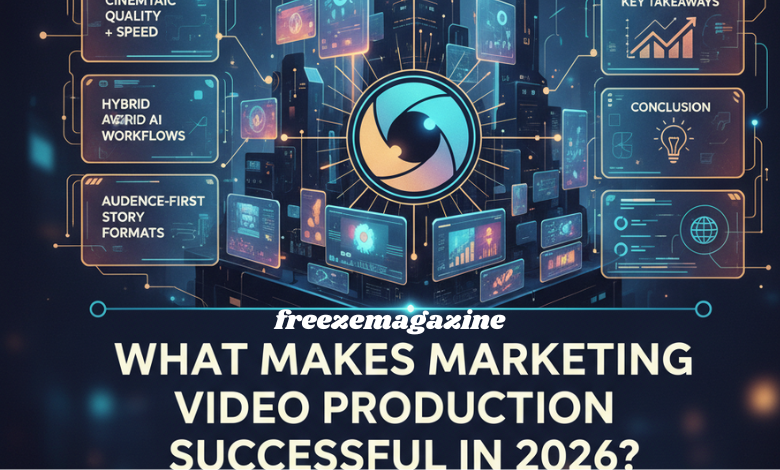
The biggest paradox in video marketing right now is the demand for both stunning, cinematic quality and lightning-fast turnaround. Audiences, accustomed to high-production value from streaming services and social media creators, expect nothing less from brands. Gone are the days when a slightly grainy, talking-head video would suffice. Viewers want rich visuals, compelling sound design, and narratives that feel authentic and professional. However, this isn’t just about aesthetics; it’s also about relevance.
To stay competitive, brands need to react swiftly to trends, news cycles, and evolving consumer interests. A video that takes months to produce, no matter how beautiful, might miss its moment. The challenge, then, is to bridge this gap: how do you achieve that big-budget look and feel without the big-budget timeline or, frankly, the traditional big-budget headache? This is where the industry is seeing a significant shift, especially among the most forward-thinking `top digital marketing agencies`. They’re not just investing in better cameras; they’re investing in smarter workflows.
Hybrid AI workflows
This brings us to the inevitable, and exciting, role of artificial intelligence. By 2026, AI won’t just be a buzzword; it’ll be an indispensable co-pilot in successful marketing video production. We’re not talking about robots replacing creatives, but rather intelligent tools augmenting human ingenuity. Think about AI assisting with initial script generation, analyzing vast datasets to pinpoint optimal visual styles, or even automating tedious editing tasks like rough cuts and color correction. These hybrid AI workflows allow creative teams to focus on the high-value, strategic aspects of storytelling and brand messaging, while the AI handles the heavy lifting of repetitive or data-intensive processes. This fusion drastically cuts down production cycles, enabling brands to produce more content, faster, without sacrificing quality.
It means an agency can ideate, shoot, edit, and deploy multiple versions of a campaign in the time it once took to craft just one. This approach is quickly becoming a differentiator for `top ad agencies` looking to deliver both impact and efficiency. As insights from Think with Google often highlight, speed to market is increasingly critical for capturing audience attention in a crowded digital space.
Audience-First Story Formats
No matter how slick your visuals or how efficient your workflow, a video won’t succeed if it doesn’t resonate with its intended audience. In 2026, “audience-first” isn’t just a best practice; it’s the only practice. This means moving beyond broad demographic targeting and diving deep into psychographics, behavioral patterns, and micro-communities. What platforms are they on? What problems are they trying to solve, or what aspirations do they hold? Successful video content will be hyper-tailored, not just in its message, but in its format and distribution.
We’ll see an even greater emphasis on vertical video for mobile-first platforms, interactive elements that allow viewers to influence the narrative, and personalized video experiences delivered at scale. Imagine a viewer receiving a video ad that subtly incorporates elements from their recent online activity or preferences, creating a feeling of genuine connection rather than intrusive advertising.
This level of personalization requires sophisticated data analysis and a deep understanding of content psychology. It’s about crafting stories that feel less like ads and more like valuable, entertaining, or informative pieces of content that naturally fit into a user’s feed. As noted by the Meta Business Blog, engaging with audiences on their preferred platforms with content tailored to that platform’s native experience is paramount. Brands that master this will build stronger relationships and drive deeper engagement, moving beyond fleeting attention to genuine loyalty. It’s an exciting evolution, making the art and science of `marketing video production` more dynamic and impactful than ever before.
Key Takeaways
- Embrace the Paradox: Successful video marketing in 2026 demands both cinematic-level quality and unprecedented speed in production and deployment.
- Leverage Hybrid AI: Artificial intelligence will be a crucial partner, streamlining workflows and automating repetitive tasks, allowing human creatives to focus on strategic storytelling.
- Go Deep with Audiences: Move beyond demographics to psychographics and behavioral patterns, creating hyper-tailored and platform-specific content experiences.
- Prioritize Story Formats: Adapt video formats (e.g., vertical, interactive) to fit native platform experiences and audience consumption habits for maximum impact.
Conclusion
The future of marketing video production isn’t about chasing the latest trend; it’s about building a robust, adaptive framework that can consistently deliver high-quality, audience-centric stories at speed. By embracing hybrid AI workflows and prioritizing deep audience understanding, brands and agencies can not only meet but exceed the evolving expectations of consumers, ensuring their video content truly resonates and drives meaningful results in 2026 and beyond.





Post Comment