United Flight UA109 Diversion: A Detailed Look at the Medical Emergency and Safe Landing in Dublin
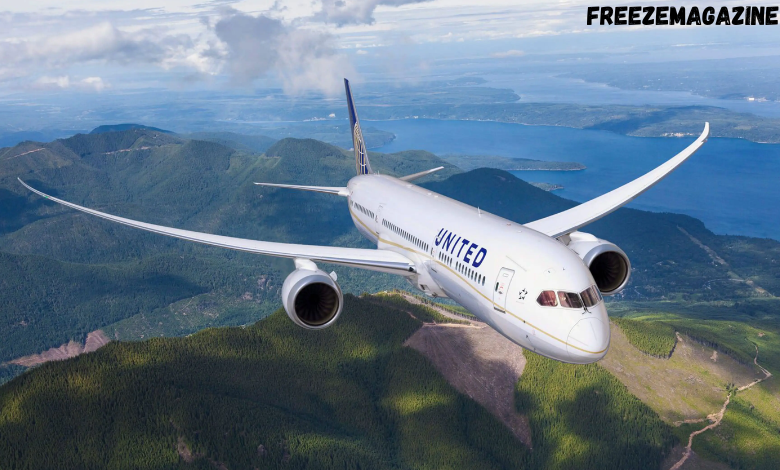
United Airlines Flight UA109, a transatlantic flight operating between Munich Airport (MUC) and Washington Dulles International Airport (IAD), experienced an unexpected diversion on October 30, 2025. This flight, usually a smooth journey connecting Europe to the United States, was diverted to Dublin Airport (DUB) following a medical emergency involving a crew member. In this article, we’ll delve into the specifics of the diversion, the flight’s journey, and how United Airlines handled the situation.
Background of United Airlines Flight UA109
United Airlines Flight UA109 typically operates as a long-haul flight connecting Munich (MUC), Germany, to Washington Dulles (IAD), USA. The flight is usually served by a Boeing 787-8 Dreamliner, registered as N28912. The Dreamliner is known for its fuel efficiency, modern amenities, and comfort, making it an ideal aircraft for long international flights. The regular flight time for this route spans approximately 9 to 10 hours, with passengers mostly comprising business professionals, tourists, and connecting travelers.
On the day of the diversion, Flight UA109 departed from Munich at 09:00 AM CET, heading towards Washington D.C. As is typical for this flight, the passengers were comfortable, the flight was cruising smoothly, and everything seemed to be going as planned.
The Medical Emergency and Diversion Decision
Approximately 90 minutes into the flight, around 10:30 AM CET, the flight crew reported a medical issue involving one of the flight attendants. The flight attendant was experiencing worsening pain due to a blister, which, though initially minor, became serious enough that the crew member could no longer continue working. Aviation regulations, both by the FAA (Federal Aviation Administration) and the EASA (European Union Aviation Safety Agency), require airlines to have a minimum number of crew members onboard. If even one crew member is unable to perform their duties, the flight might not be able to continue legally, especially on international routes. This requirement led the flight crew to make the decision to divert to the nearest suitable airport.
While some might consider a blister a relatively minor issue, the inability of a crew member to perform their duties triggered a legal need for a diversion to ensure the flight complied with international aviation laws. The nearest airport capable of handling this situation was Dublin Airport (DUB), which is a recognized ETOPS (Extended Twin-Engine Operational Performance Standards) alternate airport for flights operating on transatlantic routes. This would allow the flight to land quickly and safely while ensuring the comfort and care of the affected crew member.
Choosing Dublin as the Diversion Point
One common question raised by many passengers and aviation enthusiasts was why the flight didn’t continue to its original destination in Washington D.C. or return to Munich. Dublin was chosen for several strategic reasons. As an ETOPS alternate airport, Dublin has the following advantages:
- Medical Facilities: Dublin Airport is well-equipped with medical facilities, ensuring immediate care for the crew member.
- Runway Capacity: Dublin has a runway suitable for large aircraft, including long-haul flights such as the Boeing 787-8.
- Fast Refueling: The airport has the ability to quickly refuel and service aircraft, allowing for a swift turnaround.
- Logistics: Other airports, like Shannon or London Heathrow, were not ideal due to distance, logistics, and response time.
In fact, early reports from flight trackers and some online commentators initially suggested that the flight was heading to Boston. However, this was later corrected, and it was confirmed that Dublin was the actual diversion point.
Landing and Medical Assistance
Once the flight diverted towards Dublin, it landed safely at approximately 3:00 PM GMT. A medical team was immediately ready to assist the crew member. Fortunately, there was no need for hospitalization, and the crew member received treatment on-site at the airport. The situation was promptly handled with no further complications, and the crew member was deemed stable and fit to continue working once cleared by the medical team.
During the diversion, passengers were not required to disembark the aircraft. The plane remained on the tarmac while the refueling process took place, and any necessary systems were reset for the continuation of the flight. The crew kept passengers informed throughout the process, explaining the reason for the diversion and ensuring that everyone was comfortable. Refreshments were provided, and passengers were updated with the flight’s progress.
Resuming the Journey to Washington D.C.
After about an hour on the ground in Dublin, the aircraft was cleared for departure and resumed its journey towards Washington D.C. at around 4:15 PM GMT. By 6:30 PM ET, Flight UA109 safely arrived at Washington Dulles International Airport (IAD), experiencing a delay of approximately two hours.
Despite the delay, the situation was handled efficiently, and passengers were able to continue their journey without significant disruptions. The aircraft continued its regular operations, and there were no lasting effects on the airline’s subsequent schedules.
ETOPS and Long-Haul Flight Safety
The diversion of Flight UA109 underscores the importance of ETOPS in modern long-haul flight operations. ETOPS allows twin-engine aircraft like the Boeing 787-8 to operate over long distances, particularly over vast oceans like the Atlantic. ETOPS certification ensures that, in the event of an emergency, the aircraft can safely divert to the nearest suitable airport.
For Flight UA109, Dublin was listed as an ETOPS alternate airport for the Munich–Washington route. This preplanning meant that the flight crew and airline operations could make an informed, rapid decision when the medical emergency arose. As a result, the diversion was handled with minimal delay, and safety remained the top priority throughout the event.
Medical Emergencies and Crew Health in Aviation
It is important to note that medical emergencies involving crew members can be just as critical as mechanical issues or passenger health concerns. Airline operations take crew health very seriously, as even one incapacitated crew member can prevent a flight from legally continuing. In this instance, United Airlines handled the situation with professionalism, ensuring the well-being of both passengers and crew members.
While the majority of diversions are caused by technical problems or adverse weather conditions, medical emergencies among the crew are a leading reason for unscheduled landings. Other similar instances have occurred in the past, with notable diversions, including:
- UA507: Diverted to Iceland due to a windshield crack.
- UA939: Diverted to London due to engine vibrations.
What Passengers Should Know About Diversions
Flight diversions, while inconvenient, are essential for passenger safety and comfort. If you are ever on a diverted flight, here are some important things to keep in mind:
- Stay Calm: Diversions are part of safety protocol. Airlines prioritize your safety and are following well-rehearsed procedures.
- Follow Instructions: Listen to the crew’s instructions and stay seated until further notice. The situation is being handled by experts.
- Understand Your Bags: In most cases, your checked bags remain on board. The crew will inform you if you need to collect them at the diversion airport.
- Expect Basic Care: Airlines must provide care, including refreshments, rebooking, and sometimes hotel or meal vouchers if necessary.
Conclusion
The diversion of United Airlines Flight UA109 was a textbook example of how airlines handle unexpected situations with efficiency and professionalism. The crew responded promptly to a medical emergency, ensuring both the safety of the crew member and the comfort of passengers. Dublin Airport, strategically located on the transatlantic route, proved to be the ideal diversion point under ETOPS rules.
While diversions are uncommon, they are an integral part of aviation safety. United Airlines handled the situation well, and the passengers were able to continue their journey with minimal disruption. The diversion of UA109 serves as a reminder that safety and preparation are paramount in the aviation industry. Whether caused by medical issues, mechanical malfunctions, or weather, diversions demonstrate the rigorous safety protocols that airlines follow to ensure the well-being of everyone on board.








Post Comment