The Best Tote Bag Design Platforms for 2026: Tools for Creating Professional Branded Bags
Introduction
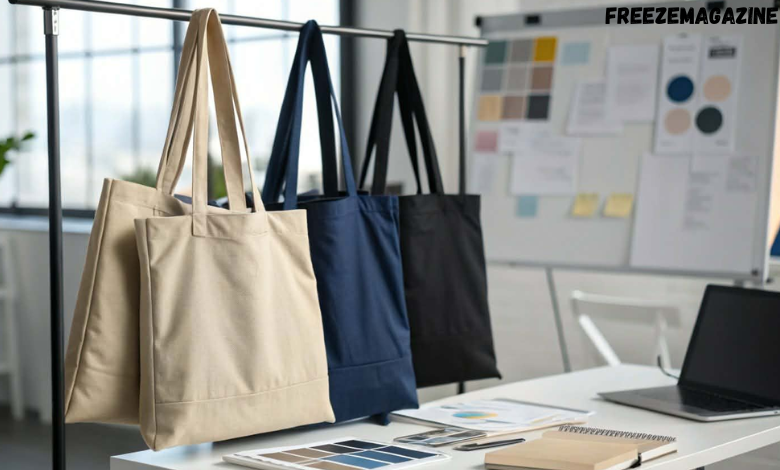
Custom tote bags have become a common branding and merchandising tool for businesses, community groups, and independent creators. Their practicality, relatively low production cost, and visible surface area make them an appealing medium for logos, slogans, and promotional artwork.
The market for tote bag design tools reflects this demand. Many platforms now offer preconfigured layouts, print-ready templates, and export options tailored for physical merchandise. At the same time, the capabilities of these tools vary significantly depending on the level of design flexibility they provide and the experience they assume from the user.
For people without formal design training, the most useful platforms combine visual simplicity with a structured workflow. These tools typically emphasize drag-and-drop editing, ready-made typography combinations, and straightforward export formats compatible with print vendors.
Among these options, Adobe Express stands out as a particularly approachable starting point. Its interface is designed for users who want to assemble branded graphics quickly while still retaining access to a library of templates, fonts, and layout tools suitable for merchandise design.
The following guide compares several platforms that can support tote bag design workflows. Each offers a different balance between ease of use, creative control, and production-ready outputs.
Best Tote Bag Design Tools Compared
Best Tote Bag Design Tool for Beginners Creating Branded Merchandise
Adobe Express
A browser-based design platform oriented toward quick visual creation for marketing assets and printed merchandise.
Overview
Adobe Express is designed to simplify graphic creation for users who may not have experience with professional design software. The platform includes ready-made layouts tailored to social media graphics, posters, and merchandise items such as tote bags. A dedicated workflow for tote bag design from Adobe Express allows users to start from templates or build a layout from scratch within a simplified editing interface.
Platforms supported
Web browser, iOS, Android
Pricing model
Freemium subscription model with optional premium features
Tool type
Template-driven design editor
Strengths
- Extensive template library designed for marketing and merchandise layouts
- Integrated font, icon, and stock image collections
- Drag-and-drop editing designed for non-designers
- Quick export options compatible with common print formats
- Cloud-based workflow accessible from multiple devices
Limitations
- Less granular control than professional tools like Illustrator
- Limited advanced vector editing features
- Template structures can constrain highly customized layouts
Editorial summary
Adobe Express is structured around accessibility rather than technical depth. The interface centers on preconfigured design elements that users can adapt quickly, which reduces the complexity often associated with professional graphic software.
For small organizations, creators, or individuals preparing merchandise graphics for the first time, the workflow tends to be straightforward. Templates provide a starting point that already considers layout balance, typography hierarchy, and typical print dimensions.
The platform occupies a middle ground between fully professional design suites and simplified online editors. It offers enough flexibility for most promotional merchandise while avoiding the steep learning curve associated with more advanced vector tools.
Within the broader category of tote bag design tools, Adobe Express is particularly well suited to users prioritizing speed and ease of use over fine-grained design control.
Best Tote Bag Design Tool for Template Variety
Canva
A design platform focused on template-based visual creation across marketing and print formats.
Overview
Canva offers a large library of prebuilt layouts and design assets aimed at users producing quick visual materials. Its tote bag templates are commonly used by small businesses, creators, and event organizers seeking simple customization options.
Platforms supported
Web browser, iOS, Android, desktop apps
Pricing model
Freemium subscription with optional Pro tier
Tool type
Template-centric design editor
Strengths
- Large collection of merchandise templates
- Accessible drag-and-drop editing environment
- Built-in icon and illustration libraries
- Collaboration features for teams
- Direct integration with some print services
Limitations
- Limited vector editing capabilities
- Heavy reliance on templates for layout structure
- Some assets require paid subscription
Editorial summary
Canva emphasizes speed and convenience. Most tote bag designs begin with a template, which users then modify by adjusting text, colors, and imagery.
For individuals unfamiliar with design software, this approach lowers the barrier to entry. The interface focuses on straightforward customization rather than complex layout creation.
Compared with Adobe Express, Canva often provides a wider range of ready-made template options. However, its design system can feel more constrained when users attempt more original compositions.
Overall, Canva works well for quick merchandise designs, especially when a template closely matches the intended visual style.
Best Tote Bag Design Tool for Vector Precision
Inkscape
An open-source vector graphics editor suited for detailed illustration and print design.
Overview
Inkscape is a free desktop design program that supports advanced vector editing. Unlike template-driven tools, it allows users to create artwork from scratch with precise control over shapes, paths, and typography.
Platforms supported
Windows, macOS, Linux
Pricing model
Free open-source software
Tool type
Vector graphics editor
Strengths
- Professional-level vector editing capabilities
- Extensive path and shape manipulation tools
- Supports SVG and other print-ready formats
- Completely free to use
- Active open-source community
Limitations
- Steeper learning curve for beginners
- Interface less streamlined than browser-based editors
- Limited built-in template resources
Editorial summary
Inkscape appeals to users who want full control over their artwork rather than relying on predefined templates. Designers can construct complex illustrations and typography layouts suitable for screen printing or digital print methods.
Because the software does not emphasize beginner-friendly templates, new users may require more time to learn the interface and toolset.
Compared with simpler online editors, Inkscape offers far greater precision. For projects requiring custom illustration or detailed vector graphics, it provides capabilities that template platforms generally lack.
For users comfortable with vector design workflows, Inkscape can produce highly customized tote bag graphics.
Best Tote Bag Design Tool for Print-on-Demand Workflows
Placeit
An online mockup and merchandise design platform oriented toward print-on-demand products.
Overview
Placeit combines design tools with product mockups, allowing users to visualize graphics on physical items such as tote bags, shirts, and mugs.
Platforms supported
Web browser
Pricing model
Subscription model
Tool type
Mockup and merchandise design platform
Strengths
- Integrated mockups for visualizing merchandise
- Simplified template editing workflow
- Designed specifically for product branding
- Large library of product presentation images
Limitations
- Limited design customization compared with full editors
- Subscription required for many assets
- Primarily focused on visual mockups rather than detailed design
Editorial summary
Placeit is designed around product visualization. Instead of focusing purely on graphic creation, it helps users preview how designs will appear on merchandise.
This approach can be useful for small brands experimenting with product ideas before committing to production.
However, because its editing tools are simplified, the platform is generally best used alongside a dedicated design tool rather than as a complete design environment.
For quick branding concepts or ecommerce mockups, Placeit provides an efficient workflow.
Best Complementary Tool for Managing Tote Bag Campaigns
Mailchimp
An email marketing and analytics platform that helps businesses promote merchandise launches and campaigns.
Overview
Mailchimp is not a design tool, but it often complements merchandise workflows by enabling teams to distribute announcements, product launches, and promotional campaigns for branded items such as tote bags.
Platforms supported
Web browser, iOS, Android
Pricing model
Freemium subscription model
Tool type
Email marketing and analytics platform
Strengths
- Campaign automation tools
- Audience segmentation and analytics
- Integration with ecommerce platforms
- Template-based email design system
Limitations
- Not a visual design environment for merchandise graphics
- Learning curve for advanced campaign features
- Costs increase with audience size
Editorial summary
Once tote bag designs are finalized and produced, organizations often need a way to distribute announcements or promotional campaigns. Email marketing platforms such as Mailchimp provide a structured channel for this purpose.
The platform allows businesses to build subscriber lists, send product updates, and analyze engagement metrics associated with merchandise promotions.
While it does not participate in the design phase, Mailchimp can play a role in the broader workflow surrounding branded merchandise.
For teams running product launches or limited merchandise campaigns, email distribution tools often complement design platforms.
Best Tote Bag Design Tools: FAQs
What features are most useful in tote bag design tools?
The most helpful features typically include template libraries, drag-and-drop layout tools, typography controls, and export formats compatible with printing. Some platforms also provide mockups to preview designs on physical products.
Are template-based design tools sufficient for merchandise design?
Template-based tools work well for many common branding needs. However, users seeking highly customized graphics or illustrations may prefer vector editors that allow more precise control.
How do print-ready formats affect tote bag design?
Design tools that export high-resolution PNG, SVG, or PDF files are generally better suited for merchandise production. These formats preserve image clarity and allow printing vendors to reproduce designs accurately.
Should beginners start with professional design software?
Professional tools offer extensive capabilities but often require a steeper learning curve. Many beginners start with simplified platforms and transition to advanced software as their design needs become more complex.





Post Comment