The 90-Day High Ropes Construction Timeline: What Every Adventure Park Owner Gets Wrong
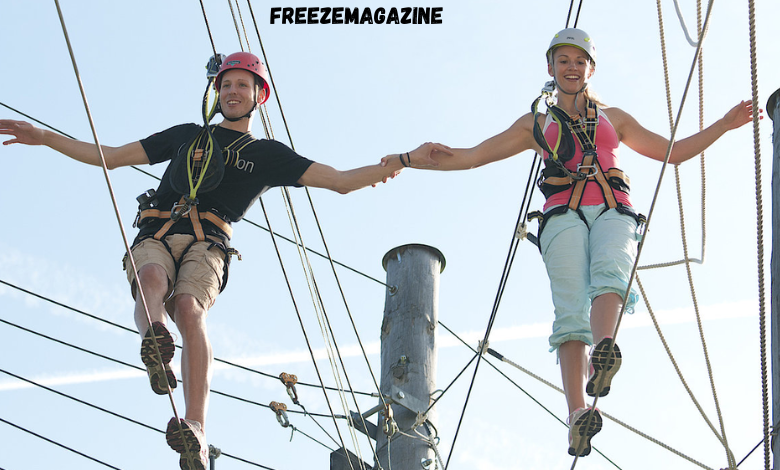
Adventure park owners consistently underestimate the complexity and duration of high ropes course installations. Most operators enter construction projects expecting rapid completion, often driven by seasonal opening pressures or investor expectations. This miscalculation creates cascading problems that affect safety inspections, staff training, and revenue projections.
The standard 90-day construction timeline that many contractors quote represents optimal conditions with minimal complications. Real-world projects encounter site preparation challenges, weather delays, permit revisions, and inspection scheduling conflicts that extend completion dates well beyond initial projections. Understanding these realities helps operators plan more effectively and avoid the operational disruptions that come with rushed installations.
Construction timeline accuracy directly impacts business viability. Parks that open late lose critical revenue windows, while rushed installations create safety concerns and potential liability issues. The difference between realistic planning and optimistic scheduling often determines whether a new adventure park succeeds in its first operating season.
Site Assessment and Preparation Requirements
Proper site evaluation determines the foundation of every successful installation project. Most construction delays stem from inadequate initial assessments that fail to identify soil conditions, drainage patterns, and existing infrastructure conflicts. A comprehensive High Ropes Course Construction guide addresses these critical preparation phases that directly affect project timelines and long-term structural integrity.
Soil composition analysis reveals load-bearing capacity and drainage characteristics that influence foundation design. Clay soils require different installation techniques than sandy or rocky terrain, affecting both construction methods and completion schedules. Sites with poor drainage need additional preparation work to prevent foundation settling and structural movement over time.
Tree health evaluation becomes particularly critical for canopy-based installations. Arborists must assess each support tree for disease, structural integrity, and growth patterns that could affect course stability. Dead or weakened trees require removal and alternative anchoring solutions, often necessitating design modifications that extend construction timelines.
Environmental Impact Considerations
Environmental regulations vary significantly by location and can introduce unexpected delays when not addressed during initial planning. Wetland restrictions, protected species habitats, and seasonal construction limitations affect when and how installation work can proceed. Projects near waterways often require additional permits and environmental impact assessments that extend approval timelines by weeks or months.
Stormwater management requirements frequently surprise first-time park developers. Construction activities must include erosion control measures and drainage solutions that prevent runoff contamination. These systems need design, approval, and installation before major construction can begin, adding complexity to project scheduling.
Utility Coordination Challenges
Existing utility lines create construction constraints that affect course design and installation sequences. Underground electrical, water, and telecommunications infrastructure must be located and protected during foundation work. Utility companies often require advance scheduling for line relocation or protection measures, introducing dependencies that can delay project starts.
Power supply requirements for lighting and safety systems need coordination with local utility providers. New service installations require permit approvals and scheduling that operates independently of construction timelines. Remote locations may need significant electrical infrastructure development before course installation can begin.
Permitting and Regulatory Approval Processes
Regulatory approval represents the most unpredictable aspect of high ropes course construction timelines. Local building departments, fire marshals, and safety inspectors each maintain independent review processes with varying standards and response times. Some jurisdictions treat adventure courses as standard recreational facilities, while others require specialized engineering reviews that significantly extend approval periods.
Building permit applications must include detailed structural calculations, safety system specifications, and operational procedures documentation. Incomplete submissions result in review delays and revision requests that restart approval timelines. Experienced contractors understand local requirements and submission standards that minimize revision cycles and expedite approvals.
Insurance carrier reviews often run parallel to municipal approvals but follow different evaluation criteria. Carriers assess liability exposure, safety protocols, and operational procedures to determine coverage terms and premium rates. Their requirements sometimes conflict with local building codes, necessitating design modifications to satisfy both regulatory and insurance standards.
Multi-Jurisdictional Compliance Issues
Projects spanning multiple municipalities or involving state park partnerships encounter layered approval processes with different standards and timelines. Each jurisdiction maintains independent review authority, creating situations where approvals from one agency conflict with requirements from another. Resolving these conflicts requires additional engineering work and extended negotiation periods.
State-level oversight becomes mandatory when courses exceed certain height thresholds or capacity limits. These reviews involve specialized inspectors with limited availability, often creating scheduling bottlenecks that extend project completion dates. The Occupational Safety and Health Administration maintains workplace safety standards that apply to construction activities and ongoing operations, adding another layer of compliance requirements.
Inspection Scheduling Coordination
Construction progress depends on scheduled inspections at specific completion milestones. Foundation work, structural installations, and safety system installations each require separate inspector approvals before subsequent work can proceed. Inspector availability rarely aligns perfectly with construction schedules, creating waiting periods that accumulate throughout the project timeline.
Failed inspections require corrections and re-inspection scheduling that can delay projects by weeks. Common failure points include inadequate documentation, installation variations from approved plans, and safety system calibration issues. Contractors familiar with local inspector preferences and common rejection reasons help minimize re-inspection cycles.
Weather Dependencies and Seasonal Constraints
Weather conditions directly affect construction productivity and safety, particularly for elevated installations that require stable working conditions. High winds, precipitation, and extreme temperatures create unsafe working environments that halt construction activities until conditions improve. Northern climates face extended winter restrictions that limit construction seasons and compress project timelines into shorter weather windows.
Concrete work requires specific temperature and moisture conditions for proper curing. Foundation installations scheduled during unstable weather periods risk quality issues that compromise long-term structural integrity. Temperature extremes affect material performance and worker safety, often requiring construction schedule modifications that extend project completion dates.
Tree installation projects face additional seasonal constraints related to plant dormancy cycles and optimal transplanting conditions. Large tree installations needed for natural anchoring systems work best during specific seasons, limiting construction flexibility and requiring careful timeline coordination.
Regional Climate Considerations
Different geographic regions present unique weather challenges that affect construction planning and material selection. Coastal areas deal with salt air exposure and hurricane season restrictions that limit construction windows. Desert regions face extreme heat limitations that restrict working hours and affect worker productivity during summer months.
Mountain locations encounter elevation-related weather variability and limited access during winter months. These sites often require material stockpiling before weather restrictions begin and compressed construction schedules that account for shortened working seasons.
Emergency Weather Protocols
Severe weather events require immediate construction shutdown and site securing procedures that protect partially completed installations. High winds can damage incomplete structures and create safety hazards that require extensive cleanup and repair work. Lightning risks necessitate immediate evacuation procedures that halt progress during storm systems.
Flood risks affect low-lying construction sites and equipment storage areas. Projects in flood-prone regions need elevated material storage and emergency equipment relocation procedures that add logistical complexity to construction operations.
Material Procurement and Supply Chain Factors
Specialized adventure course components often require extended lead times that exceed standard construction material availability. Custom-designed elements, certified safety hardware, and specialized cables need advance ordering to avoid construction delays. Supply chain disruptions affecting specialized manufacturers can extend delivery timelines unpredictably, particularly for imported components with complex shipping requirements.
Quality certifications for safety-critical components require documentation and testing that adds time to manufacturing processes. Cables, hardware, and structural connections must meet specific safety standards with proper certification documentation. Rush orders for certified components often carry premium pricing and may not reduce delivery timelines significantly.
Material storage and handling requirements affect site logistics and project scheduling. Weather-sensitive components need protected storage, while heavy structural elements require equipment access and staging areas. Sites with limited storage space may require just-in-time delivery coordination that increases scheduling complexity and weather dependency risks.
Specialty Component Availability
Zip line systems, belay devices, and challenge course elements often come from specialized manufacturers with limited production capacity and longer lead times than conventional building materials.
International suppliers add shipping complexity and customs clearance requirements that introduce additional timeline variables. Documentation requirements, inspection delays, and transportation scheduling create dependencies outside contractor control that can significantly affect project completion dates.
Quality Control and Testing Requirements
Safety-critical components require incoming inspection and testing procedures before installation can proceed. Load testing, dimensional verification, and certification documentation review takes time and may reveal quality issues that require component replacement or modification. Defective components discovered during construction create delays while replacement parts are ordered and delivered.
Installation quality control procedures require ongoing testing and verification throughout construction. Cable tension measurements, connection torque specifications, and structural alignment checks ensure proper installation but require time and specialized equipment that affects construction productivity.
Team Coordination and Skilled Labor Requirements
High ropes course construction requires coordinated teams with specialized skills not commonly found in general construction trades. Certified installers, experienced climbers, and rigging specialists command premium rates and limited availability that affects project scheduling flexibility. Competition for qualified personnel increases during peak construction seasons, particularly in regions with multiple adventure park developments.
Safety training requirements for construction crews add time and cost to project timelines. Workers need fall protection certification, rescue training, and specialized equipment familiarization before beginning elevated work. These training requirements cannot be abbreviated without compromising safety and regulatory compliance.
Subcontractor coordination becomes complex when multiple specialized trades work simultaneously on elevated installations. Electrical work, structural installation, and safety system setup must be sequenced carefully to avoid conflicts and maintain safety protocols. Poor coordination leads to rework, schedule delays, and increased safety risks.
Certification and Training Standards
Industry certifications for adventure course installers require ongoing education and recertification that affects installer availability. Certified professionals maintain busy schedules and may not be available for immediate project starts. Booking qualified teams often requires advance scheduling that affects project timeline flexibility.
Equipment operation certifications for cranes, lifts, and specialized rigging equipment limit which personnel can perform critical installation tasks. These certifications require regular renewal and specific training that not all construction workers possess, creating potential bottlenecks when certified operators are unavailable.
Safety Protocol Implementation
Construction safety protocols for elevated work require comprehensive planning and ongoing monitoring that affects work productivity. Daily safety briefings, equipment inspections, and hazard assessments consume time but remain essential for regulatory compliance and accident prevention.
Emergency response procedures must be established and practiced before construction begins. Rescue equipment, trained personnel, and evacuation procedures need preparation and testing that adds complexity to project management but ensures worker safety during elevated construction activities.
Conclusion
The 90-day construction timeline that many adventure park owners expect represents ideal conditions rarely encountered in real-world projects. Understanding the complexity of site preparation, regulatory approvals, weather dependencies, material procurement, and skilled labor coordination helps operators develop realistic timelines that account for actual construction challenges.
Successful adventure park development requires comprehensive planning that addresses each potential delay factor before construction begins. Projects that allocate adequate time for approvals, weather contingencies, and material delivery avoid the rushed installations and compromised quality that can affect long-term operations and safety performance.
Operators who plan conservatively and work with experienced contractors familiar with local requirements position their projects for successful completion within reasonable timelines. The investment in proper planning and realistic scheduling pays dividends through reduced construction stress, better quality outcomes, and timely park openings that capture full seasonal revenue potential.




Post Comment