Pool Heating Systems: The Five-Minute Test That Reveals You’re Wasting Money
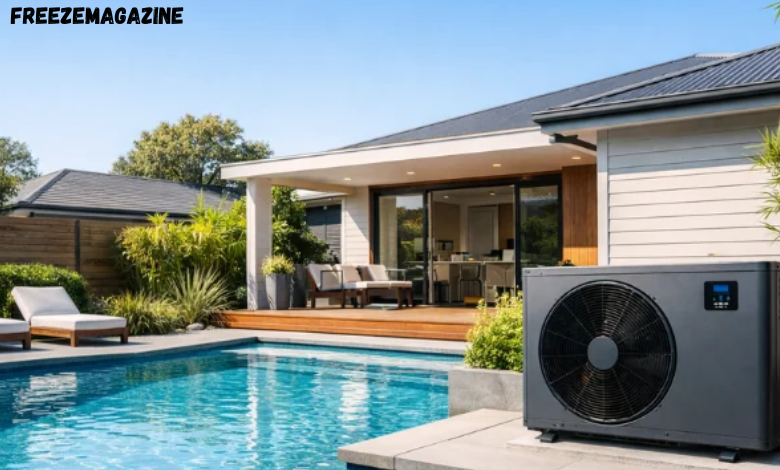
Walk outside right now and check your pool heating systems temperature display. Compare it to what your pool actually feels like. If there’s more than a degree difference, you’re heating air instead of water.
Most Perth owners never verify their heating systems are delivering what the controls claim. They trust the display temperature matches reality. Often it doesn’t, and that gap costs serious money monthly.
The Sensor Placement Lie
Temperature sensors measure water at one specific location. Most installers position sensors wherever’s convenient during installation, not where they’ll give accurate pool-wide readings.
Sensors near return jets read artificially high because freshly heated water hasn’t mixed throughout the pool yet. The display shows 27 degrees while most of your pool sits at 24 degrees. Your heating runs less than needed because the sensor lies about actual conditions.
Sensors positioned in dead zones with poor circulation read cooler than average pool temperature. Heating runs excessively, overheating active swimming areas while trying to warm stagnant corners nobody uses.
A Mandurah property had their sensor positioned directly in the return jet flow. Display constantly showed perfect temperature. Actual swimming areas were consistently three degrees cooler. The family complained about inadequate heating for two years before someone checked sensor placement. Moving it to proper location immediately fixed the problem without any equipment changes.
The Circulation Dead Zone Problem
Pool heating systems pump warm water through returns, assuming proper circulation distributes heat evenly. Poor pool design or inadequate return positioning creates cold spots that never warm properly.
You’re heating water that stays concentrated near returns while opposite end of your pool remains cold. Swimming in those areas feels disappointing despite heating running constantly.
Most Perth pools have single return jets when pool size actually needs multiple returns for proper heat distribution. Adding returns costs money during construction, so builders skimp. Years later, pool heating systems struggle with circulation problems no amount of heating capacity fixes.
A Joondalup pool installed powerful pool heat pumps that should have heated their pool easily. One end stayed persistently cool. The problem wasn’t heating capacity but single return jet positioned at opposite end. Heated water never circulated to the cool zone effectively. Adding a second return solved what seemed like heating inadequacy.
The Cover Timing Waste
Pool covers trap heat overnight but only if you’re actually using them. Most Perth owners own covers but use them inconsistently. Heating systems run identical schedules whether pools are covered or exposed.
Uncovered pools lose massive heat overnight through evaporation. Your heating rebuilt that lost warmth every morning. That’s expensive and avoidable. Either use covers consistently or adjust heating schedules to compensate for overnight losses.
A Baldivis customer had beautiful pool cover that stayed rolled up most nights because deploying it felt like effort. His heating costs stayed high year-round. He either needed to actually use the cover or accept the heating costs. Doing neither while complaining about bills made no sense.
The Temperature Overshoot
Many pool heating systems lack sophisticated controls. They heat until sensor reads target temperature, then shut off. By the time heating stops, pool’s actually one to two degrees hotter than target because residual heat keeps transferring.
That overshoot wastes energy heating beyond what you actually wanted. Better controllers anticipate overshoot and stop heating earlier. Budget systems just blast away until hitting target regardless of efficiency.
The Filter Restriction
Dirty filters restrict water flow through heating systems. Reduced flow means less heat transfer efficiency. Your heating runs longer achieving worse results because water isn’t flowing properly through heat exchangers.
Most owners never connect poor heating performance to overdue filter cleaning. They assume heating capacity has declined when actually filtration restriction is the problem.
A Rockingham pool complained about heating taking forever to reach temperature. Their heat pump checked out perfectly. The filter hadn’t been cleaned in four months. Backwashing the filter immediately restored normal heating speed. Problem wasn’t the heating system but reduced flow from filtration neglect.
The Ambient Temperature Ignorance
Pool heating systems work harder on cold windy days versus calm warm days. Most Perth owners set target temperature and expect consistent heating costs regardless of conditions.
Expecting 28-degree pool temperature during 15-degree overnight lows costs dramatically more than maintaining 28 degrees during 22-degree nights. The heating system fights harder against greater temperature differential.
Either accept higher costs during cold snaps or temporarily lower target temperature when conditions make heating expensive. Demanding maximum warmth during coldest weather means maximum electricity bills.
The Strategic Check
Here’s your five-minute test. Check displayed temperature. Swim and assess actual water temperature. If there’s noticeable difference, you’ve got sensor placement or circulation problems.
Check filter pressure. High pressure means overdue cleaning that’s restricting flow and reducing heating efficiency.
Check whether you’re actually using your pool cover or just owning it. If it stays rolled up, either commit to using it or stop factoring it into heating efficiency calculations.
Review your heating costs versus recent weather. Dramatic cost spikes during cold periods are normal. Consistent high costs regardless of conditions suggest equipment or setup problems.
The Honest Assessment
Pool heating systems only work efficiently when properly configured, maintained, and operated. Most Perth installations have at least one significant efficiency problem owners never identify.
Get complete system assessment at poolheatingsolutionswa.com.au. We’ll check sensor placement, circulation patterns, filter condition, and control programming. Show you exactly where efficiency improvements exist.
Stop trusting that everything’s fine because heating sort of works. Optimise it properly and watch costs drop while comfort improves.


Post Comment