Overnight Cooling Rescue Plan With Portable Chiller Rentals
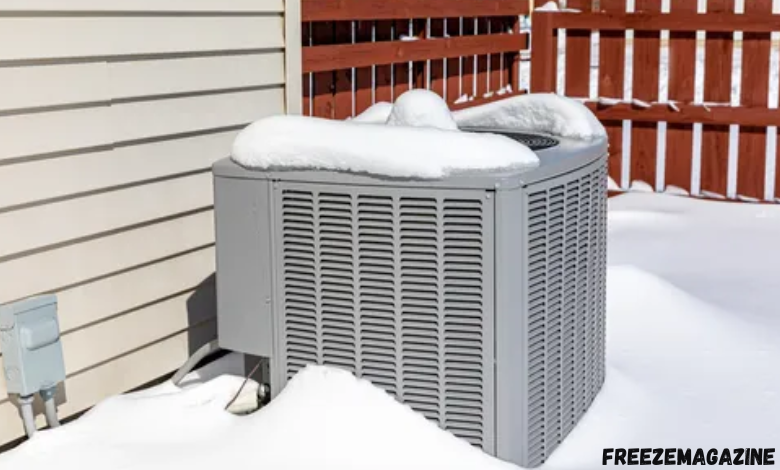
A central cooling failure rarely arrives politely during business hours. It shows up overnight, when the building is quiet, alarms are firing, and the temperature in critical spaces starts creeping up faster than your repair team can mobilize. The good news is that emergency cooling does not have to mean shutting everything down. With portable chiller rentals, you can stabilize temperatures quickly, protect equipment and inventory, and buy breathing room for a proper repair or replacement, especially when your main setup is being repaired and you still need affordable indoor systems to manage temperature. The key is moving fast and keeping the response simple: get cooling back online first, then fix the root cause without rushing or cutting corners.
What counts as an “emergency” in cooling terms
Not every comfort complaint is a crisis, but some situations turn urgent fast: server rooms trending upward, process cooling dropping out, product storage conditions drifting, or a building’s air handling system losing its chilled water source. Even if only one section of the building is affected, heat can spread and create knock-on issues, from humidity spikes to equipment faults that were not part of the original failure.
Why portable chillers beat “just add spot coolers”
Spot coolers can help in small, contained rooms, but they are not always the best answer for larger footprints or more demanding loads. Portable chillers can support a broader area by feeding chilled water to air handlers, fan coils, heat exchangers, or process loads, depending on how your site is configured. That flexibility is exactly why they work so well as an overnight rescue option: they are scalable, fast to deploy, and can be set up to target the most critical zones first.
The first 60 minutes: a practical triage checklist
Before the rental equipment arrives, a few smart moves can prevent secondary damage and make installation smoother. The goal is to reduce heat gain, identify what failed, and confirm which loads must be protected first.
Step 1: identify the must-save zones
Start with spaces where heat creates cascading problems: IT, electrical rooms, labs, production lines, and any area with temperature-sensitive materials. If you have sensors, capture current readings and trend direction so you can prioritize the spaces that are heating up fastest.
Step 2: document what you know, even if it’s messy
Record alarms, fault codes, and what changed right before the failure. Did a pump trip. Did the chiller lock out. Is there a leak. This information helps the repair team diagnose faster while the temporary system carries the load.
Step 3: plan access and power early
Portable chiller response moves quickly when the site is ready. Clear access routes, confirm electrical capacity, and identify where hoses can run without becoming trip hazards. A calm setup beats a rushed setup every time, especially when people are tired and the building is warming up.
How emergency portable chiller rentals get you stable fast
Emergency chiller response is basically a controlled handoff. Temporary equipment takes over cooling so your existing system can be repaired without the building overheating.
Quick sizing without overthinking it
You do not need perfect math at 2 a.m., but you do need a sane estimate. Share square footage, operating hours, critical equipment loads, and any recent maintenance notes. The rental provider can help translate that into a temporary solution that is strong enough to stabilize temperatures without overshooting the need and wasting time or power.
Typical uses that match “overnight failure” reality
Portable chillers are often used to support commercial air conditioning, protect process cooling, keep production moving, and prevent downtime when a primary unit fails unexpectedly. Sometimes the goal is full building stabilization. Other times it is targeted cooling for the areas that cannot tolerate even a short temperature swing.
Fun fact: “tons” of cooling are literally about ice
In HVAC, a “ton of cooling” comes from the old idea of how much heat it takes to melt a ton of ice over a day. That is why the numbers feel a bit strange at first, but the concept is simple: it is a way to describe how much heat you are removing continuously.
A steady HVAC partner matters while temporary cooling runs
Temporary cooling buys time, but the long-term win comes from diagnosing the failure correctly and preventing repeats. A well-rounded HVAC service team typically covers the full range: emergency repairs, seasonal maintenance, system replacements, and new installations, plus support for air distribution and comfort quality like duct HVAC maintenance, duct optimization, and consistent support—the reliable assistance every facility manager relies on for smooth operations at Viking Cooling & Heating. Many also handle modern add-ons that can reduce stress during outages, like backup-ready electrical planning, efficiency upgrades, and practical advice on how to keep equipment running cleaner and longer. The biggest advantage of a team like this is not one specific service, it is continuity: the same group can stabilize the moment, fix the cause, and improve the system so the next heat spike does not turn into another midnight scramble.
A rental chiller should feel like a controlled bridge, not a science project living in your hallway.
Keep it boring: monitoring and upkeep matter
Ask how support works during the rental window. Who checks performance. Who handles adjustments. Who responds if conditions change overnight again. Clear roles prevent confusion, and that matters when your priority is staying operational.
Build a simple exit plan on day one
Know what “done” looks like: repaired cooling online, tested under load, stable temperatures through a full operating cycle, then rental removal. Treat removal like a scheduled milestone, not a vague future step, and you avoid cost creep and disruption.
Fun fact: humidity can do more damage than heat in some spaces
In certain environments, moisture swings can be just as risky as temperature spikes because humidity can affect electronics, materials, and indoor comfort fast. That is why emergency cooling is not only about dropping the temperature, it is also about keeping conditions stable.
Stay operational, stay calm, and cool with intent
An overnight cooling failure feels dramatic because it is. Portable chiller rentals give you a fast path back to stability, especially when the setup is planned with access, power, and critical zones in mind. The smartest approach is treating emergency cooling as a workflow: triage what matters most, bridge with temporary chilled water, and let the repair team focus on fixing the root cause properly instead of rushing a patch that fails again a week later.








Post Comment