How to Sell Used Scopes and Get the Most for Your Firearm Optics
Understanding the Value of Used Scopes
Maximizing Value Through Cost Savings
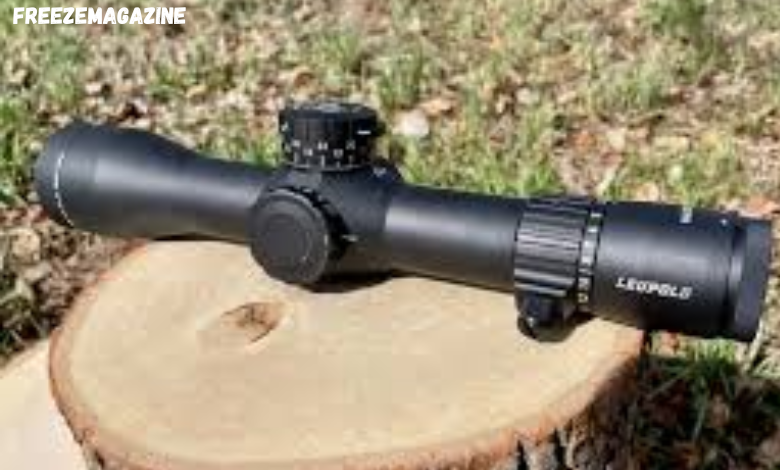
Buying a used scope can really stretch your budget further. Think about it like buying a car; as soon as it’s out of the box, it loses a chunk of its value. This means you can often snag a high-end scope for a lot less than you’d pay for a new, mid-tier one. For example, that $1500 scope you’ve been eyeing might be available used for $900 or even less. It’s a smart way to get professional-grade gear without the premium price tag. Plus, good quality optics tend to hold their value pretty well. If you buy a used Trijicon today, you can probably sell it a year from now for a decent amount, almost like renting top-tier glass for cheap.
The Transferable Warranty Advantage
Here’s a little secret: many top optics brands offer lifetime warranties that follow the product, not just the first owner. This is a huge deal when buying used. Brands like Vortex, Leupold, and Nightforce often have guarantees that don’t require a receipt or proof of original purchase. So, if something goes wrong down the line, the manufacturer will likely fix it, no questions asked. It makes buying pre-owned almost as safe as buying new, giving you peace of mind.
Proven Field Performance and Durability
Don’t let the “used” label fool you into thinking an optic is worn out. High-quality scopes are built tough, designed to handle rough conditions. Scratches on the outside are usually just cosmetic and don’t affect how the optic works internally. A used scope has already been out there, so if it had any factory defects, the previous owner probably would have found them. This means you’re often getting a piece of gear that’s already passed its initial “infant mortality” phase and is ready for serious use. It’s gear that’s been tested and proven in the real world.
Preparing Your Used Scopes for Sale
Getting your used scopes ready for sale is a big part of getting a good price. It’s not just about tossing it in a box; a little effort goes a long way. Think of it like getting a car ready to sell – a clean car looks better and usually fetches a higher price. The same applies when you sell used scopes.
Thorough Cleaning and Presentation
First things first, give your optic a good once-over. Use a soft, lint-free cloth and a lens cleaner specifically made for optics. Gently wipe down the lenses, making sure to get rid of any dust, smudges, or fingerprints. Don’t forget the body of the scope. Wipe away any dirt, grime, or even dried mud. If there are any stubborn marks, a little isopropyl alcohol on a cotton swab can often do the trick, but be gentle. A clean optic looks like it’s been well cared for, which is exactly what potential buyers want to see.
Gathering Original Accessories
If you still have the original box, manuals, lens caps, or any tools that came with the scope, gather them up. These items add a lot of perceived value. It shows that the optic hasn’t been mistreated and that you’ve kept everything together. If you have the original receipt, that can also be helpful, especially if the scope is still under warranty.
Honest Condition Assessment
This is super important. Be upfront about the condition of your scope. Take clear, well-lit photos from all angles. Point out any cosmetic flaws, like small scratches on the housing or ring marks from mounting. If the lenses have any minor imperfections, mention them. Honesty builds trust and avoids problems down the road. It’s better to under-promise and over-deliver than the other way around. Buyers appreciate knowing exactly what they’re getting, even if it’s not perfect.
Choosing Where to Sell Your Used Optics
So, you’ve decided to part with some of your old firearm optics. That’s great! Now comes the question: where do you sell them to get a fair price and avoid a headache? There are a few main routes you can take, and each has its own pros and cons. It really depends on what you value most – speed, price, or convenience.
Selling to a Reputable Dealer
This is often the quickest and easiest way to offload your used optics. Dealers who specialize in firearms and accessories, like RKB Armory, know the market. They can give you a quote pretty fast, and if you like it, you just ship the item. They handle the rest. The biggest perk here is the lack of hassle. You don’t have to worry about listing descriptions, taking a million photos, or dealing with picky buyers. They’re in the business of buying and selling used gear, so they know what they’re looking for.
Here’s a quick look at how it generally works with a dealer:
- Get a Quote: You provide details about your optic (brand, model, condition). The dealer gives you an offer.
- Ship It: If the offer works for you, you’ll get instructions on how to send your optic in. Sometimes they even provide a shipping label.
- Get Paid: Once they receive and verify the optic, they send you payment. This is usually pretty fast.
It’s important to note that dealers have to make a profit, so their offers might be lower than what you could get selling privately. However, for many people, the time saved and the certainty of a sale make it totally worth it.
Navigating Private Sales
Selling directly to another individual, whether online through forums, auction sites, or social media groups, can sometimes fetch you a higher price. You cut out the middleman, which means more of the sale price goes into your pocket. This is where you can really maximize your return if you have a desirable piece of firearm optics.
However, private sales come with their own set of challenges:
- Time Commitment: You’ll need to write detailed descriptions, take clear photos from all angles, and answer a lot of questions from potential buyers.
- Payment Risks: You need to be careful about how you accept payment. Scammers are out there, and you don’t want to ship an item only to have the payment bounce or be disputed later.
- Shipping: You’ll be responsible for packing and shipping the optic yourself, which can be a bit of a chore.
- No Guarantees: Once it’s sold, it’s sold. If the buyer has an issue later, you might get stuck dealing with it, depending on how you structured the sale.
It’s a bit more work, but if you’re patient and careful, you can often get more money this way. Just be sure to research the buyer and use secure payment methods.
Understanding Seller Red Flags
No matter where you sell your firearm optics, whether to a dealer or privately, you need to be aware of potential scams or shady dealings. This is especially true when dealing with high-value items. Being informed is your best defense.
Here are some things to watch out for:
- Price Too Good to Be True: If an optic is listed for significantly less than its market value, especially for popular brands, be very suspicious. Counterfeit optics are a big problem, and they’re often sold at a steep discount.
- Vague Descriptions or Photos: Sellers who are reluctant to provide detailed information or clear, high-resolution photos might be hiding something. Ask for specific details about condition, functionality, and any included accessories.
- Unusual Payment Requests: Be wary of buyers who insist on strange payment methods, ask you to pay them first for shipping, or try to rush the transaction. Stick to well-known, secure payment platforms.
- New Sellers with No History: On auction or marketplace sites, a seller with no feedback or a brand-new account can be a red flag. While not always a scam, it’s wise to be extra cautious.
By keeping these points in mind, you can make a more informed decision about where and how to sell your used firearm optics, ensuring you get a fair deal and a smooth transaction.
Key Brands and Their Resale Value
Tactical Brands: Aimpoint and Trijicon
When it comes to rugged, reliable optics for tactical applications, Aimpoint and Trijicon are names that consistently come up. These brands are known for building their gear to “duty grade” standards, meaning they’re designed to handle some serious abuse. Because of this, used Aimpoint and Trijicon optics tend to hold their value pretty well. People know they’re buying something that’s built tough and has a proven track record in demanding situations.
- Aimpoint: Famous for their red dot sights, Aimpoints are practically legendary for their “always on” reliability and battery life. Even a used Aimpoint PRO or CompM series can be a fantastic buy.
- Trijicon: Known for their ACOG and RMR sights, Trijicon optics often feature tritium illumination for low-light conditions, adding to their appeal. They’re built like tanks and are a favorite among military and law enforcement.
The resale value for these brands is strong because shooters trust them for critical situations.
Precision Shooting Optics: Nightforce and Vortex
For those who need pinpoint accuracy at longer distances, Nightforce and Vortex are top contenders. These brands offer high-performance scopes that are essential for precision shooting and competition. As newer models hit the market, older, but still very capable, versions become available at more attractive prices.
- Nightforce: Their ATACR and NXS lines are highly sought after for their robust construction and precise tracking. A used Nightforce scope, even with some cosmetic wear, can still perform exceptionally well.
- Vortex: The Vortex Razor HD line, especially the Gen II and Gen III models, are incredibly popular. They offer first focal plane (FFP) reticles and excellent glass quality, making them a great option on the used market.
The market for these high-end precision scopes is active. Buyers are often looking for that sweet spot where they can get top-tier performance without paying the full new price. This makes well-maintained used models from these brands a smart purchase.
Hunting Glass: Swarovski and Zeiss
When it comes to hunting, clarity, light transmission, and weight are often the most important factors. European brands like Swarovski and Zeiss are renowned for their exceptional optical quality. Hunters tend to take very good care of their equipment, meaning you can often find used Swarovski or Zeiss binoculars and scopes in excellent condition.
- Swarovski: Their EL and SLC binoculars, as well as their Z-series scopes, are considered some of the best in the world for hunting.
- Zeiss: Known for their superb light gathering and sharp, true-to-life color rendition, Zeiss optics like the Victory series are a hunter’s dream.
Finding used hunting glass from these brands can mean getting premium performance at a significant discount, often with minimal signs of use.
The RKB Armory Difference for Selling
When it’s time to part with your used optics, you want a process that’s straightforward and fair. That’s where RKB Armory steps in. We get it; selling gear can feel like a hassle, and you want to make sure you’re getting a good deal without any hidden problems. We’ve built our service around taking the guesswork and risk out of selling your used scopes.
Expert Valuation Process
We know optics. Our team has spent years with firearms and the accessories that make them work better. This isn’t just a side gig for us; it’s what we do. We look at your optic and give it a price based on what it’s actually worth in today’s market. We consider the brand, model, condition, and any extras you might have.
- Glass Clarity: We check for any scratches or coating wear that could affect your view.
- Functionality: Does the illumination work? Do the adjustments click properly?
- Housing Condition: We note any cosmetic wear like ring marks or scuffs.
- Authenticity: We’re trained to spot fakes, so you know you’re dealing with the real deal.
Streamlined Selling Steps
Forget about writing long descriptions, taking dozens of photos, and dealing with endless questions from potential buyers. With RKB Armory, it’s simple:
- Get a Quote: Fill out a quick form on our website with details about your optic. We’ll send you a no-obligation offer.
- Ship It: If you like the offer, we’ll provide you with a shipping label.
- Get Paid: Once we receive and verify your optic, we’ll send your payment promptly.
We aim to make the selling process as smooth as possible. If there’s ever a discrepancy between what you tell us and what we find, we’ll contact you immediately to discuss options, like a revised offer or returning your optic. Transparency is key.
Secure and Fast Payment
Once we’ve confirmed your optic matches the description, we move fast. We offer quick payment options, so you can get that cash in hand and put it towards your next piece of gear or whatever else you need.
Ensuring Authenticity and Avoiding Fakes
The used optics market is a great place to find quality gear without breaking the bank. But, let’s be real, there’s a growing problem with fakes out there. These counterfeit optics can look pretty convincing, but they just don’t perform like the real deal. Worse, they can be unreliable when you actually need them.
The Risk of Counterfeit Optics
Counterfeit optics aren’t just a waste of money; they can actually be dangerous. They’re usually made with cheap parts, leading to blurry images, turrets that don’t track right, and internal parts that can’t handle recoil. If you’re counting on a fake optic in a critical situation, you could end up missing a shot, wasting ammo, or worse, facing a complete failure.
Physical Inspection and Verification
So, how do you spot a fake? It takes a bit of detective work. Always start with the price – if it seems too good to be true, it probably is. High-end optics hold their value, even when used. A price that’s way below market average should make you pause.
Here’s a checklist to help you out:
- Serial Number Check: Find the serial number on the optic. Genuine optics have them engraved or etched cleanly. Counterfeits might have sloppy stamps or fake stickers. Then, contact the manufacturer directly. They can usually tell you if the serial number is legitimate and what model it belongs to. Keep in mind, some fakes use stolen serial numbers, so this isn’t the only step.
- Look and Feel: Genuine optics are usually made from quality aluminum with a tough, matte finish. Fakes often have a cheaper, glossy paint job that chips easily. Check the overall fit and finish – are there any gaps or rough edges?
- Glass Quality: This is a big one. Real optics have special coatings that reduce glare. If the lens looks like a mirror or has a strong color tint (blue, gray, or muddy), it’s likely fake. You shouldn’t be able to see the LED emitter inside a genuine red dot sight when looking from the front.
- Functionality: Test the adjustments. The clicks should be crisp and repeatable. Mushy or silent clicks are a bad sign. If it has a night vision mode, make sure it actually works as intended, not just changing the reticle color.
Be aware that counterfeiters are getting better. They sometimes copy serial numbers and can make fakes that look very close to the real thing. Always combine a serial number check with a thorough physical inspection.
Recognizing Price and Seller Red Flags
Beyond the optic itself, pay attention to the seller and the listing:
- Unrealistic Pricing: As mentioned, a price significantly lower than the going rate for a used model is a major warning sign.
- Poor Listing Quality: Listings with bad grammar, typos, or vague descriptions can indicate a scammer.
- Payment Methods: Be wary of sellers who insist on non-traceable payment methods like wire transfers, Zelle, or Venmo, especially for high-value items. Secure payment options are always preferred.
- Stock Photos: If a seller only uses generic manufacturer photos and can’t provide clear, specific pictures of the actual optic (including the serial number), that’s a red flag.
- Seller Reputation: New sellers or those with very low feedback suddenly listing multiple high-end optics should be approached with caution.
Frequently Asked Questions
How do I know if a used scope is real and not a fake?
It’s smart to be careful! Reputable sellers, like RKB Armory, check each scope carefully. They look for things like the right markings, how it feels, and if it works correctly.
Can I still get a warranty on a used scope?
Yes, you often can! Many big brands offer a ‘lifetime warranty’ that stays with the scope, no matter who owns it. So, even if you buy it used, you might still be covered if something goes wrong.
What’s the best way to get a good price when selling my used scope?
Make it look its best! Clean your scope thoroughly and make sure all the parts that came with it, like the box and manual, are included. Being honest about its condition will also help you get a fair offer. Good photos help a lot too.
Why should I consider buying a used scope instead of a new one?
You can save a lot of money! High-quality scopes can be very expensive when new. Buying used lets you get a great scope from a top brand for much less. Plus, if it’s already been used, any hidden problems are likely already known.
What condition should my scope be in to sell it?
It should be in good working order. Clean it up, make sure the lenses are clear, and that all the adjustments work smoothly. While some small scratches on the outside are okay, major damage or problems with how it works will lower its value. Honesty is key!
Where is the best place to sell my used firearm optics?
Selling to a trusted dealer like RKB Armory is a safe bet. They know the value of optics, offer fair prices, and make the process easy. You can also try selling to other people, but be careful about scams and always be honest about what you’re selling.









Post Comment