How ECU Remapping in Exeter Can Transform Your Driving Experience and Boost Performance by Up to 30%
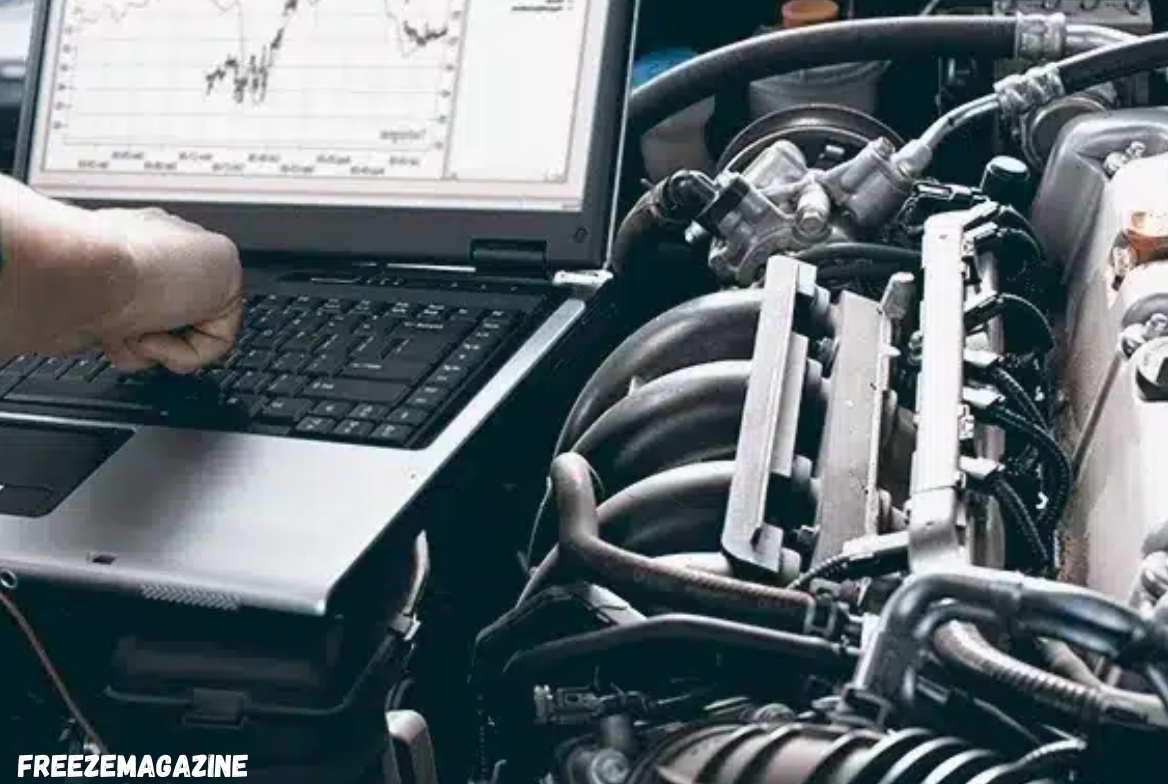
When you drive your car off the dealership lot, you might assume you are experiencing the absolute peak of its capabilities. Most vehicles today are controlled by a sophisticated onboard computer known as the Engine Control Unit or ECU. This “brain” of the vehicle manages everything from fuel injection timing to turbocharger boost pressure. Manufacturers typically set these parameters to a “one-size-fits-all” standard, leaving a significant amount of power, torque, and fuel efficiency locked away behind software restrictions. These limitations are put in place to account for poor fuel quality in certain countries or to fit the vehicle into specific insurance and tax brackets, rather than to provide you with the best possible driving experience.
When it comes to high-quality ECU Remapping Exeter drivers have a clear choice for reliability and performance. By visiting the experts at The Remap Hub you can ensure that your vehicle is handled with precision and care, utilizing the latest software to extract the very best from your engine. By recalibrating the internal software of your car, it is possible to see gains of up to 30% in both power and torque. This transformation does not involve physical modifications to the engine; instead, it optimizes the way the engine breathes and burns fuel. Whether you are looking for a more spirited drive on the winding roads of Devon or you want to save money on your daily commute, understanding the science and benefits of remapping is the first step toward unlocking your vehicle’s true character.
What Exactly is ECU Remapping?
To understand remapping, you must first understand the role of the ECU. It receives data from various sensors around the engine—such as air intake temperature, throttle position, and exhaust oxygen levels—and decides how much fuel to spray and when to spark the ignition. The instructions the ECU follows are called “maps.”
ECU remapping, often referred to as chip tuning or engine reflash, is the process of replacing the factory-set software with a custom-written version. This new software is designed to optimize the engine’s performance within safe mechanical limits. By fine-tuning the air-to-fuel ratio and adjusting the timing of the ignition, a tuner can eliminate the “flat spots” often found in factory maps, resulting in a much more linear and responsive power delivery.
The gains seen from remapping vary significantly depending on the type of engine your vehicle uses.
- **Turbocharged Engines (Diesel and Petrol):** These see the most dramatic improvements. Because the ECU controls the boost pressure of the turbo, a remap can safely increase the amount of air being forced into the engine. Combined with more fuel, this results in the massive 20-30% power increases that make remapping so popular.
- **Naturally Aspirated Engines:** These engines rely on atmospheric pressure to draw in air. Without a turbo to manipulate, the gains are typically more modest (usually around 5-10%). However, the improvements in throttle response and the removal of factory restrictions still make the drive feel much more refined.
The Performance Benefits: Power and Torque
The most immediate change you will notice after a performance remap is the surge in power. This is not just about top-end speed; it is about how the car feels during everyday maneuvers.
Improved Overtaking and Acceleration
With an increase in torque, your vehicle becomes much more capable of “pulling” from low speeds. This makes overtaking on dual carriageways safer and more decisive. You no longer need to drop down several gears to find the power band; the torque is available much earlier in the rev range, allowing for a smooth and effortless transition in speed.
Enhanced Throttle Response
Manufacturers often program a slight delay into the electronic throttle to make the car feel “softer” for the average driver. Remapping sharpens this connection. The moment you press the pedal, the engine responds. This creates a much more connected feeling between the driver and the machine, making even a mundane trip to the shops feel more engaging.
Why Manufacturers Leave Performance on the Table
1. Global Fuel Variability: Manufacturers sell the same car in the UK, where we have high-quality fuel, as they do in regions where fuel quality is inconsistent. To protect the engine from “knocking” or damage caused by poor fuel, they detune the engine significantly.
2. Tiered Marketing Strategies: Often, a manufacturer will use the exact same engine block and turbocharger for two different models. They will sell one as a “150hp” model and the other as a “190hp” model at a much higher price point. The only difference between the two is the software map. Remapping allows you to unlock the higher tier of performance that you have already technically paid for in the hardware.
3. Emission and Tax Regulations: In many countries, vehicles are taxed based on their CO2 output or horsepower. By restricting the engine, manufacturers can sneak a car into a lower tax bracket to make it more appealing to fleet buyers and budget-conscious consumers.
Fuel Efficiency and the Economy Map
It sounds counterintuitive—how can making a car more powerful also make it more fuel-efficient? The answer lies in the increased torque.
When an engine produces more torque at lower RPMs, the driver does not need to work the engine as hard to maintain speed. You will find yourself shifting into higher gears sooner and staying in them longer, even when navigating hills or carrying a full load.
Who Benefits Most from Economy Mapping?
- **High-Mileage Commuters:** If you cover 20,000 miles a year, a 10% improvement in fuel economy can save you hundreds of pounds annually.
- **Van and Fleet Owners:** For commercial vehicles carrying heavy loads, the extra torque provided by a “blend map” (a mix of performance and economy) reduces the strain on the engine and saves on fuel costs.
- **Towing Enthusiasts:** If you tow a caravan or a horsebox, the extra low-end grunt makes the task much easier on the engine and improves the overall stability and fuel consumption of the tow-car.
Safe and Reliable: Dispelling the Myths
A common concern is whether remapping will “blow up” the engine or significantly reduce its lifespan. When performed by a professional with the correct equipment, remapping is perfectly safe.
Operating Within Mechanical Tolerances
Engines are built with a “buffer” of safety. A professional tuner does not push the engine to its absolute breaking point; instead, they move the parameters into the upper range of that safety buffer. Most modern engines are over-engineered to withstand far more stress than the factory map ever puts on them. As long as the vehicle is serviced regularly with high-quality oil, the longevity of the engine should not be affected.
The Importance of a Health Check
Before any map is written to a car, a professional will perform a full diagnostic scan. If there are underlying issues—such as a failing turbo, a clogged DPF, or worn injectors—a reputable tuner will refuse to map the car until the mechanical faults are fixed. Remapping a healthy car is safe; remapping a broken one is a recipe for disaster.
The Remapping Process: What to Expect
The process of getting your car remapped is relatively quick and non-invasive. Here is a step-by-step breakdown of what happens during a typical session.
1. Initial Diagnostics: The technician connects a diagnostic tool to the OBDII port to check for any stored fault codes and ensure the engine is healthy enough for the upgrade.
2. Original Map Backup: The technician reads the factory software from the ECU and saves a copy. This is a crucial step because it allows the vehicle to be returned to stock at any time in the future.
3. Software Calibration: The map is modified based on your requirements—whether you want maximum performance, maximum economy, or a balance of both. This is where the magic happens, as parameters for fueling, boost, and timing are adjusted.
4. Writing the Map: The new, optimized software is uploaded back to the ECU.
5. Final Testing and Road Test: The car is scanned again to ensure the new software is communicating perfectly with all sensors. Finally, a road test is performed to verify the performance gains and ensure smooth power delivery.
Custom Maps vs. “Generic” Maps
When researching remapping, you might find some very cheap options. It is vital to understand the difference between a custom-calibrated map and a “generic” or “canned” map. A generic map is a one-size-fits-all file that is flashed onto every car of that model. It doesn’t take into account the specific wear and tear of your engine or any modifications you might have made.
A custom remap, like those provided by high-end tuners, is tailored specifically to your vehicle. The technician looks at the live data from your car and adjusts the map accordingly. This results in a much smoother, safer, and more effective performance boost. In the world of engine tuning, you truly get what you pay for.
Conclusion: Transforming Your Drive
ECU remapping is one of the most cost-effective ways to change the way your vehicle feels. In an era where new cars are becoming increasingly expensive, remapping offers a way to fall in love with your current vehicle all over again. By unlocking the hidden potential that the manufacturer left behind, you gain a car that is faster, smoother, and more capable of handling the demands of modern driving.
Whether you are looking to shave seconds off your lap time, make your caravan towing experience less stressful, or simply want to enjoy the extra 30% power that was hiding under your bonnet all along, the benefits are undeniable. By choosing a professional service that prioritizes engine health and custom calibration, you can enjoy these gains with total peace of mind. Your car has a secret personality waiting to be revealed; all it takes is the right software and an expert touch to bring it to life. Take the leap, invest in your vehicle’s performance, and discover what your engine is truly capable of achieving on the open road.









Post Comment