Everyday Habits That Help Veneers Last Longer
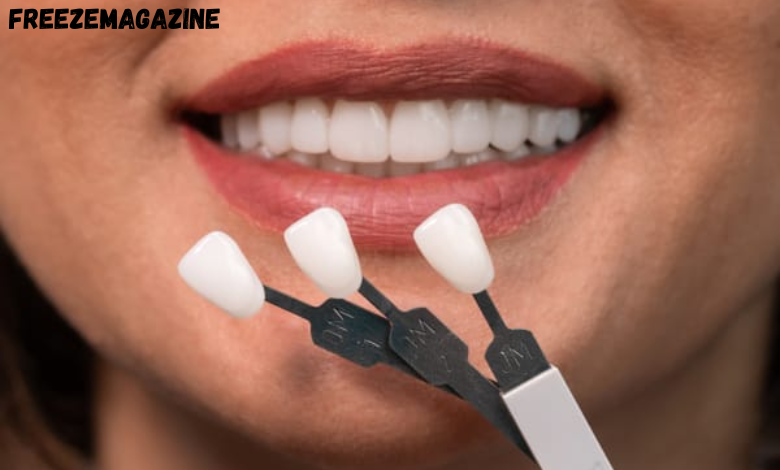
Veneers are a considerable financial commitment to your smile, and their lifespan heavily depends on your daily care. To be honest, modern dental materials are very durable, but the difference between veneers lasting eight years versus fifteen is mainly due to consistent habits rather than luck. Everyday small decisions add up over time, either preserving your investment or causing it to wear out more quickly.
Luckily, keeping veneers in good shape doesn’t mean you have to make big changes to your life or follow complicated procedures. Most of the habits that protect your veneers also happen to be the best oral health practices, so it is quite easy to sneak them into your existing routines. Knowing which everyday actions matter most helps you focus on the habits that give you the biggest protective advantage.
Morning and Evening Oral Hygiene Routines
Lots of people don’t realize that the brushing technique is even more important with veneers than it is with natural teeth. If you use a soft, bristled toothbrush and make gentle circular motions, you will clean thoroughly without creating micro scratches on the veneer surface. Using a hard, bristled brush and scrubbing vigorously can, over time, dull the polish, which is the factor that gives veneers their natural luster, thus causing them to lose their vibrancy gradually.
Choosing the right kind of toothpaste is just as important.
Non-abrasive toothpastes specially made for cosmetic dental work are good for the veneer surface and, at the same time, effective in removing plaque and bacteria. Since whitening toothpastes are most of the time loaded with abrasive particles, in order to keep the smooth and shiny finish of the veneers that makes them look natural, it is better to stay away from these products.
Flossing with veneers is more important than ever, with natural teeth alone.
The junctions where veneers are in contact with natural teeth can be a hiding place for food particles and bacteria, which in turn can lead to the bond weakening after some time. By removing the spot in this way every day even before the debris has a chance to become a problem, you make sure that the veneers and the underlying teeth are well protected. Instead of snapping directly down, which puts stress on the edges of the veneers, you change the string along the gum line very carefully so that you do not stress the veneers unnecessarily.
Protecting Veneers From Physical Stress
Among various habits, teeth grinding and clenching simply demolish veneers at an unprecedented rate. During bruxism, the forces produced go beyond what veneers can withstand lead to chips, cracks, or even complete fractures. A lot of people grind their teeth invisibly while sleeping; thus a custom night guard is a must, have safety measure for anyone with veneers and a grinding habit.
Teeth are often used as tools and thus considered a primary reason for veneer deterioration. The use of teeth in opening packages, tearing tags, holding objects, or biting nails applies concentrated force at the edges of the veneers, which are the most vulnerable. Such momentary conveniences can result in chips that eventually need repair or replacement, thus making the few seconds saved incredibly costly.
For contact sports and activities with a risk of collision, the use of a mouthguard is highly recommended. A mouthguard that is custom-made to fit someone with veneers provides better protection than a general one and it is also comfortable enough for regular use. The price of a quality mouthguard is much lower than the cost of replacing damaged veneers, and it also protects your entire smile during risky activities.
Dietary Choices That Preserve Veneer Integrity
While Porcelain Veneers resist staining far better than natural enamel, certain foods and beverages still pose risks. Extremely hard foods like hard-shell tacos, raw carrots, and hard bread crusts can crack veneers if bitten incorrectly. Cutting these foods into smaller pieces before eating distributes force more evenly across multiple teeth rather than concentrating stress on individual veneers.
Extreme temperatures put a lot of pressure on both veneers and their bonding. Changing from very hot coffee to ice water causes expansion and contraction that can gradually loosen the bond. Letting hot drinks cool a bit and not immediately changing temperature right after eating something hot or cold helps to lessen this heat stress.
It is important to give special attention to acidic food and drinks as they are capable of eroding the bonding cement at the veneer margins. Citrus fruits, sodas, sports drinks, and dressings with vinegar should be used moderately rather than being continuously sipped throughout the day. Washing with water after eating acidic foods helps restore the pH balance before acid can harm the veneer bonds.
Managing Long-Term Habits That Affect Veneers
Besides the usual health concerns, smoking negatively affects veneers. It is true that porcelain will not get stained by nicotine, however, at the same time, the bonding material used for composites at the outer surface of the veneers can get discolored gradually. As a result, a very conspicuous line is created along the edges of the veneer, which totally ruins the flawless look. In fact, tobacco smoke chemicals can also damage bonding strength, thus making veneers vulnerable to failure.
On the one hand, nail biting damages veneers through the force of the biting and also through recurring stress. The habit leads to an excessive amount of pressure being placed on front teeth, where veneers are most typically located, and on top of that, since the habit is repeated daily, the accumulated tension becomes very substantial. Not only will your veneers be saved by stopping this habit, but also the tooth structure and jaw joints, which are affected by the continuous tension, will benefit
Lips and tongue piercings cause metal and veneers to be in constant contact. This repeated clicking and rubbing may result in the wearing down of the veneer surfaces or chipping of the edges. Metal jewelry is harder than porcelain, which means that during impacts, the veneers are the material that will give way. Getting rid of oral piercings or using softer materials will decrease this wear enormously.
Professional Maintenance and Monitoring
Regular dental cleaning twice a year allows a dental hygienist to access and thoroughly clean plaque deposits around the veneer margins, which is the main contributor of the formation of plaque. Besides cleaning, professional cleaning also removes deposits of stains and food remnants that can go unnoticed by one’s daily tooth brushing, while at the same time keeping an eye on the state of the veneers so that if the first signs of any problem should become apparent, it can be addressed quickly. Dental hygienists, who have been trained on how to take care of cosmetic dental work, employ care and use tools that are not only effective in cleaning but also safe in terms of not damaging the veneer surfaces.
The visit also affords the dentist the chance to assess the veneers’ condition in terms of integrity, bonding, and fit.
Often, the discovery of the problem being only a small one allows for simple repair thus preventing the problem from getting to the stage where it results in the complete failure of veneers. A dentist might be able to see a weakening bond even before you come to that point, which is great because in such a case, the re-cementing of the veneers, which is a preventive measure, can be done and considering how the life of veneers is extended tremendously, then it is a very good thing.
Professional polishing during cleanings brings back the smooth, shiny surface that is the main reason why veneers look so natural. Even if a person is very tidy with his or her oral care, veneers are bound to suffer microscopic surface defects coming from daily wear and tear. Through professional polishing, these flaws are taken away along with the rejuvenation of the veneer surface, which is what makes the veneers look fresh for a longer time.
Simple Choices, Lasting Results
It is not complicated or time, consuming to develop the habits that prolong the lives of veneers. All that is needed is a little awareness and consistency. Most protective behaviours take no extra time, and many even coincide with practices that are good for your overall oral health. The major impact of these everyday decisions is what really determines if your veneers stay attractive and functional for eight years or twenty.
Being careful with veneers does not mean completely avoiding activities or “walking on eggshells”. It simply involves making a bit more careful decisions when it comes to how you use your teeth and also practising good oral hygiene consistently, which will keep both veneers and natural teeth healthy. The little daily investments that allow you to enjoy your ideal smile for a long time are really negligible compared to the big investment you made.






Post Comment