Engineering the Perfect Bee Suit: What Separates Premium Protection from Standard Gear
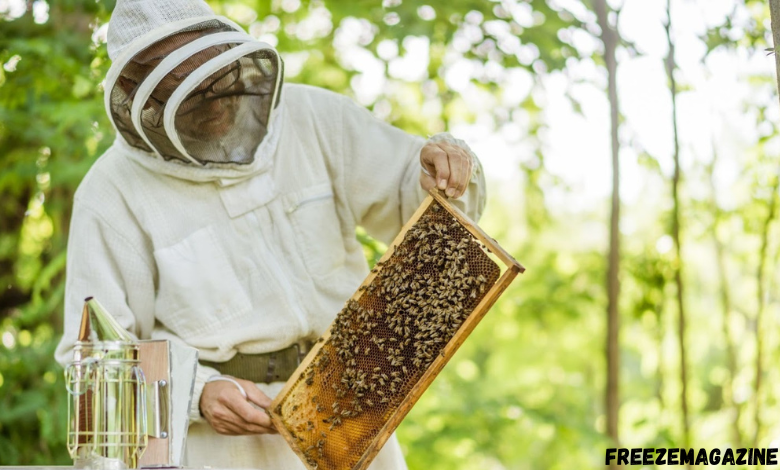
A bee suit is not simply fabric stitched into a full-body garment. It is a controlled protective system designed to manage sting penetration, regulate internal temperature, eliminate structural gaps, and allow unrestricted movement during hive work. The distinction between standard gear and a premium bee suit lies in engineering detail not outward appearance.
For anyone evaluating a bee suit for sale, especially within competitive USA markets, understanding construction principles is more valuable than relying on surface-level product claims.
Advanced Material Science: Creating a True Sting Barrier
Traditional protective clothing typically relies on thick, single-layer cotton or cotton-blend fabric. While heavy material may appear protective, sting resistance is not determined by thickness alone. When fabric presses against the skin due to sweat, bending, or compression the protective barrier weakens.
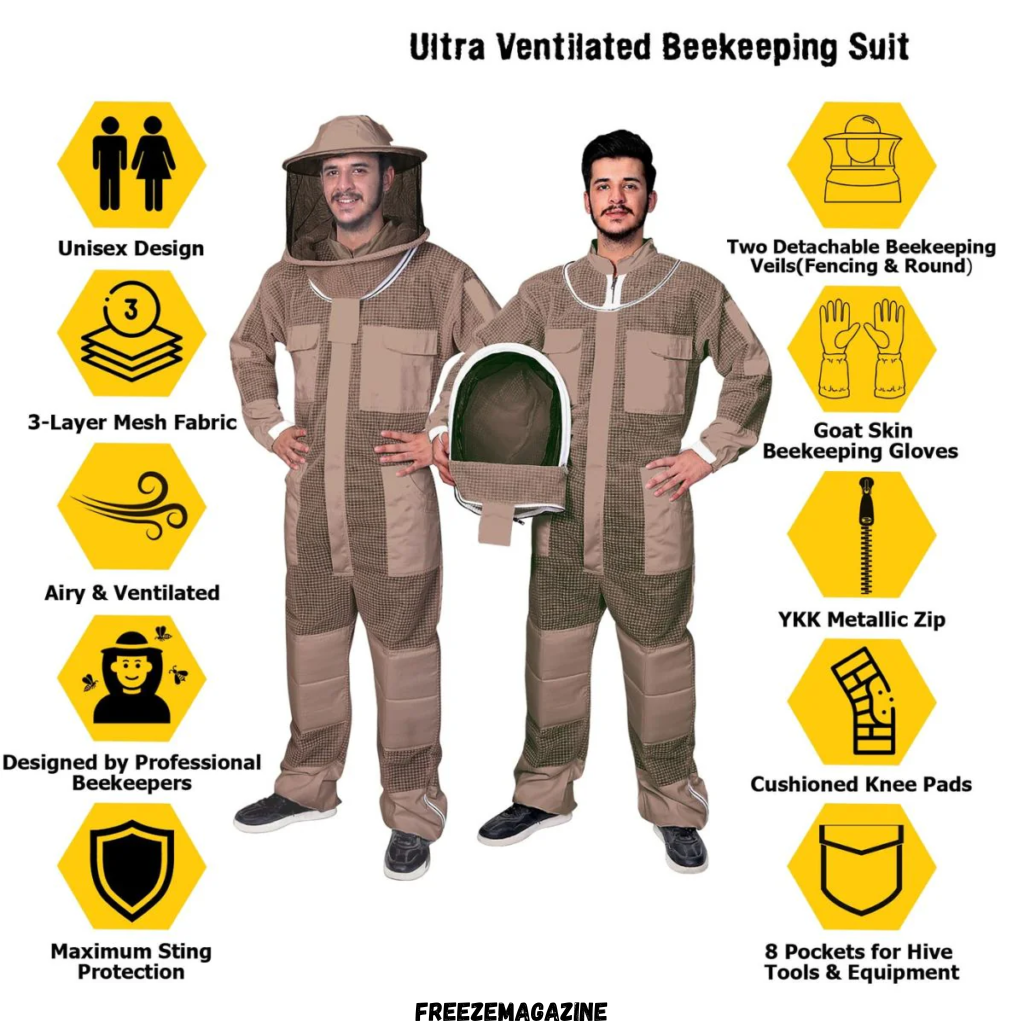
Premium bee suits utilize triple-layer ventilated mesh systems that create measurable spatial separation between the outer layer and the body. A structured air gap, often around 4–5mm, reduces the likelihood of a stinger reaching the skin even when pressure is applied.
This design achieves two outcomes:
- Increased sting resistance
- Improved airflow without sacrificing protection
When reviewing bee suits for sale, material layering should be clearly specified. Absence of layer detail often indicates single-density construction.
Strategic Closure Management: Eliminating the “Weakest Link”
Bees do not penetrate randomly. They seek entry points, loose cuffs, zipper gaps, exposed overlaps. In many standard designs, closures become the primary vulnerability.
Premium bee suit construction addresses these weak points through:
- Overlapping zipper flaps
- Heavy-duty metal or reinforced zipper systems
- Velcro-secured secondary closures
- Thumb loops that prevent sleeve movement
- Reinforced ankle closures compatible with boots
These features prevent fabric migration during movement. In contrast, lower-tier suits frequently rely on basic elastic cuffs and lightweight plastic zippers.
When assessing a bee suit for sale in USA markets, closure architecture deserves as much scrutiny as fabric thickness.
Veil Engineering: Visibility and Structural Stability
The veil is a functional component, not an accessory. Poorly structured veils collapse inward, reducing visual clarity and increasing contact risk.
Premium configurations often include:
- Self-supporting fencing-style hoods
- Non-glare black mesh for enhanced visibility
- Detachable veil systems for cleaning and replacement
- Structured geometry that maintains facial spacing
Fixed, sagging veils commonly found in standard gear compromise both safety and visibility during inspections.
If a bee suit description does not specify veil support structure, assume minimal reinforcement.
Heat Regulation in Diverse USA Conditions
Beekeeping in the United States spans humid southern states, high-heat desert climates, and cooler northern regions. Protective clothing must manage internal temperature effectively.
Single-layer cotton suits tend to trap heat. As internal temperature rises, perspiration increases, fabric compresses, and sting resistance declines.
Ventilated triple-layer systems allow passive airflow while preserving protective spacing. This becomes particularly relevant when searching for a bee suit for sale in USA environments where summer inspections are routine.
Thermal regulation is not a comfort feature, it is a performance requirement.
Structural Durability and Reinforcement
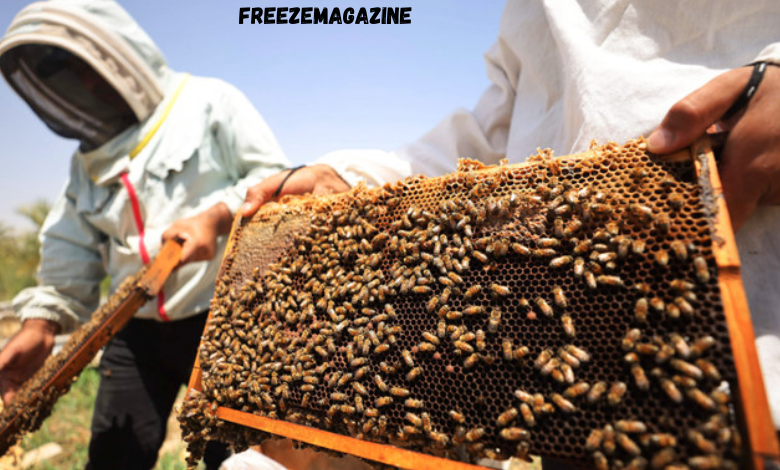
Commercial and hobbyist beekeepers alike subject protective clothing to repeated bending, lifting, kneeling, and exposure to propolis and debris.
Premium bee suits incorporate:
- Double or triple-stitched seams
- Reinforced knee and elbow panels
- Heavy-gauge zipper tracks
- Stress-point reinforcement at shoulders and hips
Standard suits often fail at seams before fabric degradation occurs. Single-stitch construction may reduce manufacturing cost but shortens usable lifespan.
When reviewing bee suits for sale, seam description and reinforcement detail provide insight into durability expectations.
Ergonomic Design and Mobility
Protective performance cannot compromise mobility. Hive management requires bending, lifting supers, removing frames, and extended inspection sessions.
Ergonomic bee suit design includes:
- Pre-shaped arm and leg articulation
- Adjustable waist tension systems
- Secure yet flexible elastic cuffs
- Strategic pocket placement for tool access
Bulky or rigid suits restrict movement and increase fatigue. Mobility engineering ensures protection does not interfere with operational efficiency.
Suit Configurations: Selecting the Right Structure
Beekeepers generally choose among three primary structural formats:
Full-Body Suit
Provides continuous coverage from shoulders to ankles. Suitable for beginners or environments with heightened defensive activity.
Jacket and Veil Combination
Offers flexibility and improved ventilation. Commonly selected for rapid inspections or moderate hive temperament.
Top and Bottom Separates
Allow size customization and layering control. Practical for climate variation and user preference.
Each configuration can be found among bee suits for sale, but performance depends on material and construction not configuration alone.
Fit, Sizing, and Protective Spacing
Accurate sizing maintains the protective air gap necessary for sting resistance. A tight-fitting suit reduces spacing and increases compression risk. Excessive looseness may interfere with frame handling.
Well-engineered bee suits provide:
- Clear measurement charts
- Layer-compatible sizing
- Elastic containment at wrists and ankles
Sizing precision is particularly important when purchasing a bee suit for sale online, where physical trial is not possible.
Maintenance and Longevity
Fabric stability and seam integrity determine long-term usability. Regular inspection for seamstress, zipper wear, and minor tears prevents larger failures.
Care practices include:
- Gentle washing cycles
- Air drying to preserve structure
- Proper storage away from direct sunlight
- Prompt repair of minor damage
Maintenance supports structural integrity and extends service life.
Performance Comparison Summary
Premium Bee Suit Characteristics:
- Triple-layer ventilated mesh
- Structured air gap spacing
- Overlapping heavy-duty zippers
- Reinforced seams and stress points
- Self-supporting detachable veil
- Ergonomic articulation
Standard Gear Characteristics:
- Single-layer cotton or blends
- Basic elastic closures
- Plastic zipper systems
- Minimal reinforcement
- Fixed or unsupported veil
The difference lies in engineered detail.
Investment Perspective
Higher upfront cost typically reflects material layering, reinforced construction, and ventilation architecture. For individuals managing multiple hives or operating in high-heat conditions, premium construction reduces replacement frequency and operational discomfort.
When exploring bee suits for sale, cost should be evaluated against lifespan, performance stability, and structural reliability rather than purchase price alone.
Conclusion
Engineering a premium bee suit involves eliminating structural vulnerabilities, managing airflow, reinforcing stress points, and maintaining ergonomic mobility. Protective performance is achieved through layered material science and precise construction not through fabric thickness alone.
For beekeepers reviewing a bee suit for sale in USA marketplaces, construction transparency and technical detail should guide purchasing decisions.
A properly engineered bee suit functions as a protective system designed to maintain spacing, regulate temperature, and preserve structural integrity under repeated field conditions.






Post Comment