Design-Build vs. Traditional Construction: Which Is Better for Luxury Homes?
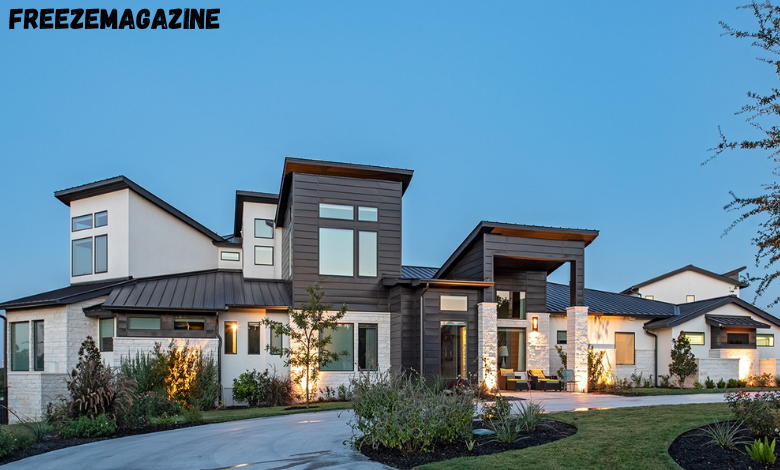
Building a luxury home is one of the most significant investments a homeowner can make, both financially and emotionally. Every decision, from architectural design to material selection, influences not only the aesthetics of the property but also its functionality, longevity, and overall living experience. Among the earliest and most consequential decisions a homeowner must make is choosing the construction delivery method, which fundamentally shapes how the project will proceed, how risks are allocated, and how the final home will turn out. For high-end residential projects, the choice often comes down to design-build versus traditional construction, also known as design–bid–build, each offering distinct advantages and challenges. Understanding the differences between these two approaches is essential for homeowners who expect precision, transparency, and the highest standards of craftsmanship.
What Is Traditional Construction?
The traditional construction model follows a linear, segmented process that begins with design, moves into bidding, and ends with construction. Initially, the homeowner engages an architect to develop detailed plans, often involving engineers and consultants for specialized systems. Once the design is complete, contractors submit bids to execute the project, and the homeowner selects one based on price, experience, or reputation. The final phase is construction, where the builder coordinates subcontractors and manages the execution of the architect’s plans. In this model, the architect and contractor operate independently, and the homeowner often assumes the role of primary coordinator, navigating communication, conflicts, and decision-making between parties. While this method has been a standard for decades, it can create challenges in budget management, scheduling, and alignment between design intent and construction execution, particularly in luxury projects where precision and customization are critical.
What Is Design-Build Construction?
In contrast, design-build construction consolidates design, engineering, and construction under a single contract with a unified team. The homeowner works with one entity responsible for the project from concept through completion, ensuring that architectural vision and construction realities are fully aligned from the outset. By integrating designers and builders into the same team, design-build projects emphasize collaboration, real-time problem-solving, and shared accountability. This approach allows for proactive consideration of constructability, cost, scheduling, and design quality, which often results in fewer delays, fewer budget surprises, and a smoother experience for the homeowner. For luxury home construction, where every detail matters and timelines are often tight, the design-build model provides a level of efficiency and clarity that is difficult to achieve with the traditional approach.
Collaboration and Communication: The Key Difference
One of the most significant differences between the two approaches lies in how teams collaborate and communicate. In traditional construction, the architect often develops plans without continuous input from the contractor, meaning cost or constructability concerns may not be addressed until the bidding phase or construction begins. This can lead to redesigns, unanticipated cost increases, and misaligned expectations, placing stress on homeowners to mediate disputes or oversee problem-solving between parties. In contrast, design-build emphasizes integrated teamwork, with designers and builders collaborating from the start to ensure that each decision reflects both aesthetic ambition and practical feasibility. This synergy not only improves efficiency but also increases the likelihood that the final product will meet or exceed expectations, particularly in the context of custom luxury homes where every material choice, finish, and spatial relationship is carefully curated.
Budget Control and Financial Transparency
Budget management and financial predictability also differ significantly between traditional and design-build methods. In the traditional model, pricing only becomes concrete after the design is complete and contractors submit bids, creating a potential gap between homeowner expectations and actual costs. When budgets are exceeded, the team may be forced to make compromises that affect design intent, material quality, or project scope. In contrast, design-build teams integrate cost considerations throughout the design phase, enabling homeowners to make informed trade-offs before construction begins. This proactive approach allows for precise budgeting, minimizes the likelihood of costly change orders, and helps maintain the integrity of the original design vision. For high-end projects where material selection, custom features, and detailed finishes are highly personalized, the financial clarity provided by design-build can be invaluable.
Project Timelines: Speed vs. Sequential Phases
Timelines and project delivery are further points of distinction. Traditional construction follows a sequential path, with delays often arising from extended bidding periods, redesigns prompted by budget concerns, and coordination gaps between architect and builder. Each phase must be completed before the next can begin, which inherently limits flexibility. Design-build, however, allows for overlapping phases in a process known as fast-tracking, where site preparation, permitting, and procurement can begin even as the design continues to evolve. This approach reduces overall project duration, improves scheduling accuracy, and allows homeowners to occupy their luxury homes sooner without compromising quality or detail. For individuals balancing relocation, multiple properties, or lifestyle milestones, the ability to accelerate construction without sacrificing craftsmanship is a significant advantage.
Craftsmanship and Quality Assurance
When it comes to quality control and craftsmanship, the integrated nature of design-build provides an additional benefit. In traditional construction, the builder interprets design plans after they are completed, which can result in inconsistencies, miscommunications, or compromises on execution. Although skilled architects and contractors can overcome these challenges, the homeowner may need to intervene to ensure alignment. Design-build firms specializing in luxury homes, however, maintain rigorous quality standards because designers and builders are accountable to the same organization. This structure allows for proactive planning, ensures that intricate details are executed with precision, and produces a cohesive finished product that reflects both the homeowner’s vision and the highest standards of craftsmanship.
Risk Management and Accountability
Risk management and accountability also favor the design-build model in high-end residential projects. Traditional construction divides responsibility between the architect and contractor, meaning that when issues arise, homeowners may be placed in the role of arbitrator. Disagreements over design intent, construction methods, cost overruns, or scheduling delays can create unnecessary stress. Design-build, by contrast, offers single-point accountability, where one firm is responsible for all aspects of the project. This clear delineation reduces homeowner stress, facilitates smoother problem-solving, and protects both time and financial investment. In projects of significant complexity and value, this clarity can make the difference between an enjoyable building experience and a stressful one.
Flexibility and Customization
Flexibility and customization are additional considerations that often favor design-build for luxury homes. Traditional construction can accommodate changes, but modifications after design completion often trigger redesign fees, change orders, and schedule disruptions, limiting a homeowner’s ability to refine the project as it progresses. Design-build embraces an iterative process in which homeowners can explore alternative materials, layouts, and technological features while evaluating feasibility and cost in real time. This flexibility is particularly valuable for bespoke homes, where refinement, experimentation, and personalization are part of the creative journey. By allowing the homeowner to respond to evolving needs or inspirations without derailing the project, design-build aligns closely with the expectations of luxury clients.
Why Design-Build Often Wins for Luxury Homes
While both traditional construction and design-build can produce exceptional homes, the advantages of design-build often make it the preferred approach for luxury residential projects. The integration of design and construction, proactive cost management, accelerated timelines, heightened craftsmanship, and simplified accountability collectively contribute to a more efficient and satisfying building process. Traditional construction may still appeal to homeowners with established relationships with architects or those who prefer a segmented process, but for most high-end projects that require precision, collaboration, and customization, design-build consistently delivers superior results.
Spotlight on Seven Custom Homes
For homeowners seeking a trusted design-build partner, Seven Custom Homes represents a benchmark in luxury residential construction. Known for blending architectural design, construction expertise, and meticulous craftsmanship under one roof, Seven Custom Homes provides a seamless experience from concept to completion. Their process emphasizes collaboration with clients, ensuring that every design decision reflects both lifestyle priorities and technical feasibility. Transparent budgeting and proactive cost management allow homeowners to make informed decisions without compromising vision or quality, while attention to detail in materials, finishes, and execution ensures homes that are as enduring as they are elegant. By consolidating design and construction responsibilities, Seven Custom Homes simplifies communication, reduces risk, and produces results that consistently exceed expectations for discerning clients.
Frequently Asked Questions
Is design-build more expensive than traditional construction? The cost of design-build is not necessarily higher. While it may appear more premium at the outset, design-build often reduces overall expenses by preventing redesigns, minimizing change orders, and streamlining project delivery. For luxury homes, the value of clarity, efficiency, and high-quality execution often outweighs any perceived upfront premium.
Can I still have a fully custom home with design-build? Absolutely. Design-build is particularly suited for custom luxury projects. The integrated process allows homeowners to explore unique designs and personal features while ensuring technical feasibility and budget alignment.
Does design-build limit my design options? Not at all. In fact, design-build often expands possibilities because architects and builders collaborate to explore innovative solutions that might be challenging or cost-prohibitive in traditional construction.
When is traditional construction a better choice? Traditional construction may suit homeowners who already have completed architectural plans, have an established relationship with an architect, or are undertaking a project with minimal customization. It may also appeal to those who prefer segmented responsibilities rather than a single, integrated team.
How early should I involve a design-build firm? Early involvement is highly recommended. Engaging a design-build firm at the conceptual stage allows for guidance on site selection, budgeting, and overall design strategy, establishing a strong foundation for a successful luxury home.
Making the Right Choice for a Luxury Home
Selecting the right construction model is essential to ensuring a luxury home balances inspired design with practical execution. While traditional construction may suit certain projects, the design-build approach offers a more integrated, transparent, and client-focused experience particularly well suited to high-end residences. Homeowners who partner with an experienced design-build firm like Seven Custom Homes benefit from unified design and construction oversight, clear accountability, proactive cost management, and exceptional craftsmanship. By choosing a process aligned with their goals and expectations, luxury homeowners can enjoy a seamless, efficient building journey that results in a home defined by timeless elegance, enduring quality, and personalized detail.
Business Name: Seven Custom Homes
Address: 312 Medical Pkwy Building B, Austin, TX 78738
Phone Number: (512) 662-1349







Post Comment