Codebase Visibility Improves Using AI Code Security Tools
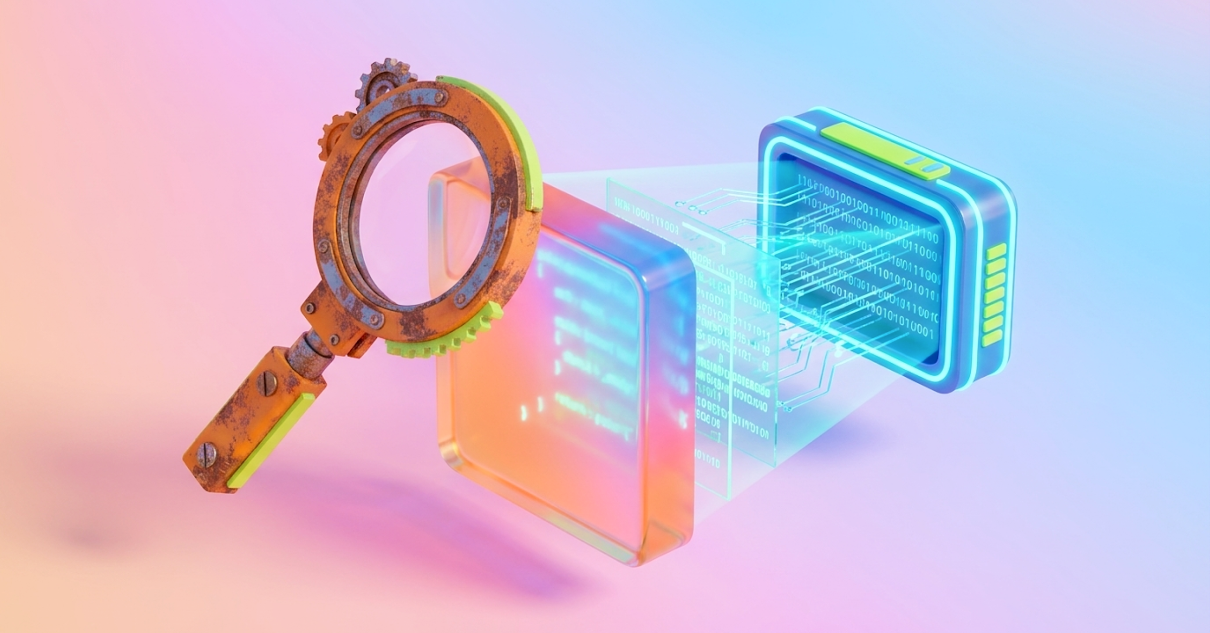
Modern software teams live with a strange tension. On one hand, shipping fast feels thrilling. New features go live, customers react, momentum builds, and everyone feels like progress is finally visible. On the other hand, the codebase itself can start to feel like a dark attic. Files pile up. Dependencies multiply. Small shortcuts become permanent architecture. Before long, you are not just building software—you are navigating fog.
That is exactly why codebase visibility matters so much. When teams can clearly see what is happening inside their applications, they make better decisions, catch risks earlier, and work with more confidence. And increasingly, that clarity is coming from AI code security tools.
These systems do more than scan for obvious mistakes. They help teams understand patterns, identify risky behavior, flag vulnerable dependencies, and surface problems that might otherwise stay hidden until they become expensive emergencies. In a world where development cycles move at breakneck speed, visibility is not a luxury. It is survival.
Why AI code security matters for modern codebases
A codebase is not static. It grows, shifts, expands, and sometimes drifts in ways nobody fully notices until trouble appears. One developer adds a library. Another modifies authentication logic. A rushed hotfix changes data flow at midnight. None of these actions seem huge in isolation. Together, they can create dangerous blind spots.
This is where AI code security becomes so powerful. Instead of relying only on manual review or traditional scanning, intelligent systems can analyze massive amounts of code context quickly. They can connect dots across repositories, detect unusual patterns, and prioritize findings based on actual risk rather than raw volume.
That last point matters more than many teams expect. Developers do not just need more alerts. You need useful alerts. You need to know which issue threatens customer data, which one affects compliance, and which one can wait until the next sprint. Better visibility means less noise and more action.
There is also an emotional side to this. Hidden security issues create low-level anxiety across teams. People begin second-guessing releases. Leaders worry about exposure. Engineers lose trust in unfamiliar parts of the code. Strong visibility restores a sense of control, and that changes everything.
How AI code security tools reveal what teams often miss
Many organizations still depend on a patchwork of audits, peer reviews, and static analysis. Those methods still matter, but they often leave gaps. Traditional processes can be slow, inconsistent, and heavily dependent on who happens to be available that week.
AI code security tools list help create a more continuous, intelligent layer of oversight. They examine source code, configuration files, APIs, infrastructure definitions, and third-party components in a way that feels far more holistic. Instead of just identifying a vulnerable function, they can show how that weakness could be reached, exploited, or amplified elsewhere in the system.
That kind of context is gold.
Imagine a team working on a customer payments platform. A scanner flags a weak validation routine. In a basic workflow, that ticket might sit untouched because it looks minor. But an intelligent tool can reveal that the routine connects to account management logic and touches financial records. Suddenly, the issue is not minor at all. It becomes visible in the right way, at the right time.
A small anecdote says a lot here. We once heard about an investor visiting a startup after a security scare. He did not ask flashy questions about growth first. He asked, quietly, “Can your team actually see where the risk lives?” The room went still. That moment captures the truth: confidence follows visibility, and visibility builds trust far beyond engineering.
Building confidence through AI code security in daily workflows
The biggest advantage of modern tooling is not just finding flaws. It is fitting into how teams already work. Security fails when it feels like an obstacle dropped in at the end. It succeeds when it becomes part of the rhythm of development.
AI code security can support pull request reviews, IDE suggestions, pipeline checks, and remediation guidance without bringing work to a halt. That means developers can spot problems while the code is still fresh in their minds. It also means security teams can focus less on repetitive triage and more on strategic improvements.
Think of visibility like trying to distill a complicated story down to its essential truth. A senior engineer once joked during a release review that the hardest part of security was not finding data, but trying to distill endless warnings into a few meaningful actions. Everyone laughed because it felt painfully real. That is exactly what intelligent systems help with: turning overwhelming complexity into practical clarity.
When used well, these tools can also strengthen team culture. Instead of blame-heavy conversations after incidents, teams can have earlier, calmer discussions about patterns, ownership, and prevention. That shift is deeply human. People do better work when they feel informed rather than ambushed.
Practical ways to improve visibility with AI code security tools
If a team wants better codebase visibility, the path does not need to be dramatic. It needs to be deliberate.
Start by mapping where code risk actually enters the environment. That includes new commits, open-source packages, secrets exposure, misconfigurations, and legacy modules nobody loves touching. Once those pressure points are visible, AI code security tools can be applied where they create the most impact.
Here are a few practical steps:
– Integrate scanning into pull requests so risks appear before merge
– Prioritize tools that explain severity in business context
– Monitor dependencies continuously, not just during major releases
– Connect findings to ownership so issues do not float unattended
– Review recurring patterns to spot structural weaknesses
– Use dashboards that show trends, not just isolated alerts
Another truth deserves attention: not every codebase degrades in a dramatic way. Sometimes it becomes drifty. A little uncertain. A little less anchored. A little harder to predict. A product manager once described a legacy application as “drifty,” and everyone instantly understood. Nothing was fully broken, yet nobody wanted to touch it without bracing for surprises. Better visibility helps pull a codebase back from that edge before uncertainty hardens into risk.
Choosing tools that support clarity, not chaos
Not all platforms deliver the same value. Some generate huge volumes of findings without useful prioritization. Others look polished but lack deep contextual insight. The goal is not to collect more dashboards. The goal is to see your codebase more clearly.
The best solutions offer explainability, workflow integration, accurate detection, and actionable remediation. They should help developers understand not only what is wrong, but why it matters and what to do next. That is how visibility becomes improvement rather than just awareness.
This is also why leadership should stay involved. Better visibility is not only a technical win. It supports compliance, protects reputation, reduces response costs, and strengthens customer trust. When teams can see risks earlier, they can act before those risks turn into headlines nobody wants.
Clear code creates calmer teams, stronger products, and smarter decisions. As software ecosystems grow more tangled, visibility stops being optional. With the right systems in place, teams can move from guesswork to understanding. And that is where resilience begins—through sharper insight, stronger habits, and the steady confidence that comes from seeing what was once hidden.







Post Comment