Bubble Wrap vs Foam vs Air Pillows: The Ultimate 2026 Guide to Fragile Item Shipping Protection
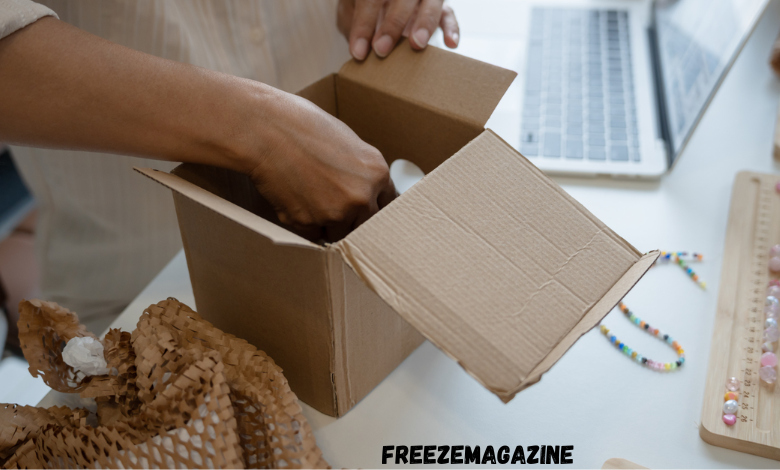
Warehouse managers and logistics coordinators face mounting pressure to reduce damage claims while maintaining cost efficiency in their shipping operations. The choice of protective packaging material directly affects both customer satisfaction and profit margins, with damaged goods resulting in replacement costs, return processing expenses, and potential customer loss. Modern shipping environments demand protection solutions that perform consistently across varying temperatures, handling conditions, and transit times while remaining economically viable at scale.
The complexity of fragile item protection extends beyond simply wrapping products in any available material. Different protective materials respond differently to compression forces, temperature fluctuations, and repeated handling throughout the shipping process. Understanding these performance characteristics enables shipping operations to match protection methods to specific product vulnerabilities and shipping conditions, reducing both immediate damage rates and long-term operational costs.
Understanding Material Performance in Shipping Environments
Protective packaging materials function through different mechanisms to absorb impact energy and maintain product stability during transit. The effectiveness of any protection system depends on how well the material properties align with the specific threats present in the shipping environment. Selecting appropriate shipping boxes for fragile items requires understanding both the protective material characteristics and the structural requirements of the container itself.
Bubble wrap creates protection through air-filled chambers that compress under pressure, distributing impact forces across multiple contact points. The material’s flexibility allows it to conform to irregular product shapes while maintaining cushioning properties. However, bubble wrap performance degrades when air chambers rupture or lose pressure over time, particularly in temperature-extreme environments where thermal expansion and contraction affect air volume.
Foam materials provide protection through cellular structures that absorb energy by compressing and recovering. Unlike air-based systems, foam maintains consistent protective properties regardless of temperature changes and does not suffer from puncture-related failure modes. The density and composition of foam determine its compression resistance and recovery characteristics, directly affecting protection levels for different impact scenarios.
Air pillows function as inflatable cushions that create barriers and void fill within shipping containers. These systems adapt to available space while providing targeted protection for specific product areas. Air pillows offer advantages in storage efficiency and material usage but depend on maintaining air pressure integrity throughout the shipping process.
Temperature Stability and Material Reliability
Temperature variations during shipping significantly affect protective material performance, particularly for shipments crossing climate zones or spending extended time in uncontrolled environments. Bubble wrap experiences air volume changes that reduce cushioning effectiveness in cold conditions while potentially over-pressurizing chambers in high heat. These temperature effects become more pronounced in longer shipping routes where packages experience multiple climate transitions.
Foam materials demonstrate superior temperature stability, maintaining consistent compression and recovery properties across normal shipping temperature ranges. This reliability proves particularly valuable for products requiring consistent protection levels regardless of seasonal shipping conditions or geographic destination climate differences.
Air pillows share similar temperature sensitivity challenges as bubble wrap but offer the advantage of controlled inflation levels that can be adjusted for expected temperature ranges. However, this adjustment capability requires operational knowledge and process consistency that may not be practical in high-volume shipping environments.
Compression Recovery and Repeated Impact Protection
Real shipping environments subject packages to multiple impacts and compression events rather than single shock incidents. The ability of protective materials to recover from compression and maintain protection throughout the shipping process determines their effectiveness in practical applications. Understanding these recovery characteristics helps predict protection performance for different shipping methods and handling intensities.
Bubble wrap provides excellent initial protection but loses effectiveness once air chambers begin failing. The progressive nature of bubble wrap degradation means that early handling damage can compromise protection for subsequent impacts, creating vulnerability that increases throughout the shipping process.
Foam materials typically offer superior compression recovery, returning to near-original thickness after moderate compression events. This recovery capability maintains consistent protection levels even after multiple handling incidents, providing more reliable protection for shipments experiencing rough handling or extended transit times.
Cost Structure and Operational Efficiency Considerations
The total cost of protective packaging extends beyond material purchase prices to include storage requirements, application labor, and disposal considerations. Different materials require varying amounts of warehouse storage space, with some offering significant advantages in storage density. These storage requirements directly affect warehouse operational efficiency and space utilization costs.
Bubble wrap arrives pre-manufactured and ready for immediate use, requiring minimal preparation time but consuming significant storage volume relative to protection provided. The material’s bulky nature affects warehouse space efficiency and inventory management complexity, particularly for operations managing multiple product categories requiring different bubble wrap specifications.
Foam materials can be sourced in various forms, from pre-cut sheets to custom-molded inserts designed for specific products. Pre-cut foam offers immediate application benefits but requires inventory management for multiple sizes and densities. Custom foam solutions provide optimal protection but involve higher per-unit costs and minimum order quantities that may not suit all operational scales.
Air pillows offer exceptional storage efficiency, requiring minimal warehouse space before inflation. However, this efficiency requires investment in inflation equipment and creates dependency on equipment reliability for consistent operations. The per-unit material cost advantage of air pillows can be offset by equipment maintenance and replacement considerations.
Labor Requirements and Process Integration
Different protective materials require varying levels of labor skill and time investment during the packaging process. These labor requirements affect both direct packaging costs and overall shipping department productivity, influencing the practical viability of different protection approaches for specific operational contexts.
Bubble wrap application requires minimal training and provides intuitive wrapping processes that adapt to various product shapes and sizes. However, achieving consistent protection levels depends on worker experience and attention to proper wrapping techniques, particularly for products with sharp edges or irregular geometries that can compromise bubble wrap integrity.
Foam installation varies significantly based on foam type and application method. Pre-cut foam sheets offer quick installation but may require multiple pieces for complete protection. Custom-molded foam inserts provide rapid installation and consistent protection but limit flexibility for product variations or packaging configuration changes.
Air pillow systems require equipment operation knowledge and proper inflation techniques to achieve effective protection. While the basic process remains straightforward, consistent results depend on understanding appropriate inflation levels for different applications and maintaining equipment performance over time.
Environmental Impact and Sustainability Considerations
Corporate sustainability initiatives increasingly influence packaging material selection, with many organizations implementing policies that favor environmentally responsible protection solutions. The Environmental Protection Agency reports that containers and packaging represent a significant portion of municipal solid waste, driving interest in recyclable and biodegradable alternatives to traditional protective materials.
Traditional bubble wrap presents recycling challenges due to its plastic composition and the difficulty of removing air from chambers before processing. While some recycling programs accept bubble wrap, the infrastructure for processing this material remains limited in many regions, often resulting in landfill disposal despite recycling intentions.
Foam materials vary widely in environmental impact depending on composition and manufacturing processes. Traditional petroleum-based foams offer limited end-of-life options, while newer bio-based foam alternatives provide improved environmental profiles with comparable protection performance. However, bio-based options typically involve higher material costs that must be weighed against sustainability objectives.
Air pillows present mixed environmental considerations, offering material efficiency advantages through reduced plastic usage per protective unit while maintaining plastic disposal challenges. Some air pillow films incorporate recycled content or biodegradable materials, providing improvement over traditional plastic films while preserving operational benefits.
Regulatory Compliance and Industry Standards
Certain industries face specific packaging requirements that influence protective material selection beyond basic damage prevention considerations. Medical device shipments, electronic components, and hazardous materials often require certified protective materials that meet established testing standards for their respective applications.
Bubble wrap typically meets general protective packaging standards but may not satisfy specialized requirements for anti-static protection or chemical compatibility needed for sensitive electronic components. Understanding these limitations prevents compliance issues that could affect product warranties or regulatory approvals.
Specialized foam materials can be formulated to meet specific industry requirements, including anti-static properties, chemical resistance, and controlled compression characteristics required for precision instruments or sensitive equipment. However, these specialized formulations often involve premium pricing and minimum order requirements.
Application-Specific Performance Requirements
Different fragile items present unique protection challenges that favor specific protective material characteristics. Understanding these application-specific requirements enables more targeted material selection that optimizes protection while controlling costs. Electronics, glassware, ceramics, and precision instruments each present distinct vulnerability patterns that respond differently to various protective approaches.
Electronic components require static-free environments that standard bubble wrap cannot provide without specialized anti-static treatments. The air chambers in bubble wrap can generate static electricity during movement, potentially damaging sensitive circuits. Foam materials can be formulated with anti-static properties, providing both physical protection and electrical safety for electronic shipments.
Glassware and ceramics benefit from consistent cushioning that prevents both impact damage and vibration-related stress. The conforming nature of bubble wrap provides excellent surface contact but may not offer sufficient compression resistance for heavy glass items. Dense foam materials typically provide superior support for heavy fragile items while maintaining shock absorption capabilities.
Precision instruments often require controlled environments that maintain specific orientations and prevent movement during transit. Custom-molded foam inserts excel in these applications by providing exact-fit protection that eliminates internal package movement while ensuring proper instrument positioning throughout shipping.
Shipping Method Compatibility
Different shipping methods subject packages to varying stress patterns that affect protective material performance. Ground shipping involves different impact characteristics than air transport, while expedited services may involve more intensive handling processes that influence protection requirements.
Standard ground shipping typically involves moderate handling intensities with occasional rough treatment during peak periods. Bubble wrap performs adequately for most applications under these conditions, providing cost-effective protection for routine shipments. However, packages experiencing extended transit times may suffer bubble wrap degradation that reduces protection effectiveness.
Air transport involves rapid pressure changes that can affect air-filled protective materials. Bubble wrap may expand or contract during flight, potentially altering protection characteristics or causing package dimension changes. Foam materials remain unaffected by pressure variations, maintaining consistent protection regardless of altitude changes during air transport.
Expedited shipping services often involve more intensive handling to meet tight delivery schedules, requiring protective materials that maintain performance under aggressive handling conditions. Air pillows may not provide sufficient protection for rough handling scenarios, while quality foam materials typically withstand intensive handling without performance degradation.
Implementation Strategy and Transition Planning
Changing protective packaging materials requires careful planning to avoid operational disruptions while achieving improvement objectives. Successful transitions consider existing equipment, staff training requirements, and supplier relationships that may be affected by material changes. Understanding these implementation factors prevents unexpected costs and operational complications during transition periods.
Current packaging equipment may not accommodate all protective material options, requiring investment in new tools or modification of existing processes. Bubble wrap typically works with existing packaging stations, while air pillows require inflation equipment that may not be present in current operations. Evaluating equipment requirements early in the selection process prevents implementation surprises.
Staff training needs vary significantly among different protective materials, affecting transition timelines and training costs. Complex protection systems may require extended training periods that temporarily reduce packaging productivity during implementation. Planning for these training requirements ensures smooth transitions without compromising shipping schedule adherence.
Supplier relationships and procurement processes may require adjustment when changing protective materials, particularly for specialized foam products or air pillow systems that involve different vendor categories than traditional packaging suppliers. Establishing reliable supplier relationships before full implementation prevents material availability issues during transition periods.
Testing and Validation Procedures
Implementing new protective materials requires validation testing to confirm performance expectations under actual shipping conditions. Controlled testing programs provide objective data for comparing material options while identifying potential issues before full-scale implementation. These testing procedures should simulate real shipping stresses rather than idealized laboratory conditions.
Sample shipments using different protective materials to the same destinations provide direct performance comparisons under identical shipping conditions. Tracking damage rates, customer feedback, and handling observations from these test shipments generates practical data for material selection decisions.
Internal drop testing and compression testing help predict material performance but should be supplemented with real shipping validation to account for variables that laboratory testing cannot replicate. Temperature cycling, vibration exposure, and humidity variations during actual shipping provide performance insights not available through controlled testing alone.
Conclusion
Selecting appropriate protective packaging materials requires balancing performance requirements, cost considerations, and operational constraints specific to each shipping operation. Bubble wrap offers cost-effective protection for routine applications but may not provide adequate reliability for demanding shipping conditions or sensitive products. Foam materials deliver superior consistency and specialized capabilities but involve higher material costs and more complex procurement requirements. Air pillows provide storage and material efficiency benefits while requiring equipment investment and careful application to achieve reliable protection.
The most effective approach often involves matching protective materials to specific application requirements rather than seeking universal solutions. Electronics benefit from anti-static foam properties, while standard consumer goods may perform adequately with quality bubble wrap protection. Heavy or precision items typically require the compression resistance and custom-fit capabilities that foam materials provide.
Implementation success depends on careful planning that addresses equipment requirements, staff training, supplier relationships, and validation testing before committing to large-scale changes. Organizations that invest time in understanding their specific protection requirements and testing material options under real shipping conditions achieve better outcomes than those making decisions based solely on material cost comparisons or vendor recommendations.



Post Comment