Automated vs Manual Material Handling: The Real ROI Breakdown for Cold Storage Facilities
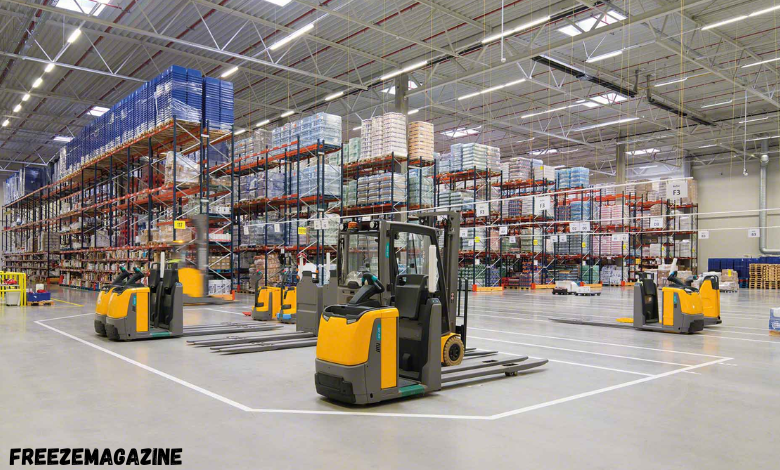
Cold storage facilities face mounting pressure to balance operational costs with reliability demands. Temperature-controlled environments require consistent workflows that minimize door openings, reduce energy consumption, and maintain product integrity throughout the handling process. The choice between automated and manual material handling systems directly impacts these operational fundamentals, affecting everything from labor allocation to equipment maintenance schedules.
Energy costs alone can represent thirty to forty percent of a cold storage facility’s operating budget. Every inefficiency in material movement translates to extended door openings, temperature fluctuations, and increased refrigeration loads. Beyond energy concerns, cold environments present unique challenges for both human workers and mechanical systems, making the automation decision more complex than in ambient warehouse operations.
Understanding the real return on investment requires examining how each approach affects the interconnected systems that keep cold storage facilities profitable and reliable. The financial implications extend beyond initial equipment costs to encompass long-term operational consistency, maintenance requirements, and the ability to scale operations without compromising temperature control standards.
Understanding Capital Investment Requirements
Automated material handling systems in cold storage environments require substantial upfront investment, with costs varying significantly based on facility size, temperature requirements, and integration complexity. These systems must withstand extreme temperatures while maintaining precision, which drives both equipment and installation costs higher than ambient warehouse applications. The Industrial Storage Material Handling Solutions guide emphasizes that cold storage automation requires specialized components designed for temperature extremes and condensation management.
Manual systems present lower initial capital requirements but involve different cost structures. Facilities must invest in climate-controlled break areas, specialized cold weather gear, and safety equipment for workers operating in sub-zero environments. These investments, while smaller individually, accumulate over time as safety standards evolve and worker protection requirements expand.
Equipment Durability and Replacement Cycles
Cold storage environments accelerate wear on both automated and manual handling equipment. Automated systems require components rated for temperature extremes, with seals, lubricants, and electronic controls specifically designed for cold applications. These specialized components typically cost more than standard warehouse automation parts, but they also tend to have predictable replacement schedules that support maintenance planning.
Manual equipment in cold storage faces different durability challenges. Forklifts and hand trucks require frequent battery maintenance in cold conditions, as low temperatures reduce battery efficiency and lifespan. Hydraulic systems need cold-weather fluids, and metal components become more brittle, increasing the risk of unexpected failures that can disrupt operations.
Integration and Facility Modification Costs
Automated systems often require structural modifications to accommodate tracks, conveyors, or robotic systems within insulated environments. These modifications must maintain thermal integrity while providing access for equipment installation and future maintenance. The complexity increases when facilities need to remain operational during installation, requiring phased implementations that extend project timelines.
Manual operations typically require fewer structural changes but may need enhanced lighting, ergonomic improvements, and safety systems to support human workers in cold environments. These modifications focus on maintaining worker safety and productivity rather than accommodating mechanical systems, but they still represent significant facility investments.
Operational Cost Analysis
Energy consumption patterns differ markedly between automated and manual material handling approaches in cold storage facilities. Automated systems can optimize movement patterns to minimize door openings and reduce air infiltration, directly impacting refrigeration loads. According to the U.S. Department of Energy, even small reductions in air infiltration can yield substantial energy savings in large cold storage operations.
Manual operations often result in less predictable energy usage patterns, as human workers may hold doors open longer or take less direct routes through the facility. However, manual systems typically consume less electrical power for the handling equipment itself, offsetting some of the thermal efficiency advantages of automation.
Labor Cost Structures and Requirements
Automated systems reduce direct labor requirements for material movement but require skilled technicians for maintenance and operation oversight. Cold storage automation demands workers who understand both mechanical systems and temperature control principles, as equipment failures can compromise product integrity within hours. These specialized skills command higher wages but provide more predictable staffing costs.
Manual operations require larger workforces but can often utilize workers with less specialized training. However, cold storage work presents unique challenges that affect labor costs, including higher turnover rates, increased safety training requirements, and the need for regular breaks in heated areas. These factors can make manual labor costs less predictable and potentially more expensive than initial estimates suggest.
Maintenance and Downtime Considerations
Automated systems in cold storage require scheduled maintenance that must account for temperature control during service periods. Preventive maintenance becomes critical, as unexpected failures in cold environments can be more difficult and time-consuming to repair. The cost of emergency repairs increases when technicians must work in extreme temperatures or when facility sections must be temporarily warmed for complex repairs.
Manual handling equipment generally allows for simpler maintenance procedures, but cold environments can make routine tasks more challenging. Battery maintenance, fluid changes, and component inspections take longer in cold conditions, and some maintenance tasks may require moving equipment to heated service areas.
Productivity and Throughput Impact
Throughput consistency becomes a critical factor in cold storage operations, where maintaining temperature integrity while moving products efficiently requires careful coordination. Automated systems excel at maintaining steady movement rates regardless of external factors, providing predictable throughput that supports just-in-time delivery schedules and inventory management systems.
Manual operations can adapt more quickly to changing product mixes or unexpected orders, but throughput tends to vary based on worker efficiency in cold conditions. Human productivity naturally decreases in extreme temperatures, and mandatory warming breaks create predictable interruptions in material flow that must be accounted for in operational planning.
Quality Control and Product Integrity
Product integrity in cold storage depends heavily on minimizing temperature exposure during handling operations. Automated systems can be programmed to optimize movement paths and minimize exposure time, reducing the risk of temperature-related product degradation. The precision of automated systems also reduces handling damage that can compromise packaging integrity and product quality.
Manual handling allows workers to make real-time decisions about product condition and handling requirements, potentially catching quality issues before they affect entire shipments. However, the physical demands of working in cold environments can reduce worker attention to detail, and the urgency to complete tasks quickly in cold conditions may compromise careful handling practices.
Scalability and Peak Season Management
Automated systems provide consistent capacity regardless of seasonal labor availability, which becomes particularly valuable during peak shipping seasons when temporary workers may be difficult to train and retain. The ability to maintain full operational capacity without depending on labor market conditions provides operational security for facilities with seasonal volume fluctuations.
Manual systems can theoretically scale more quickly by adding workers, but the specialized nature of cold storage work and the time required for safety training can make rapid scaling challenging. Seasonal workers require extensive training on both handling procedures and cold weather safety protocols before they can work effectively in these environments.
Risk Management and Business Continuity
Business continuity in cold storage operations requires understanding how different handling approaches affect operational resilience. Automated systems create dependencies on specialized equipment and technical expertise, but they also provide predictable performance that supports consistent operations. The key risk lies in equipment failures that require specialized repair services, which may not be immediately available in all markets.
Manual operations distribute risk across multiple workers and simpler equipment, reducing the impact of any single point of failure. However, labor-dependent operations face different risks, including workforce availability, worker safety incidents, and the challenge of maintaining consistent performance standards across different shifts and seasons.
Regulatory Compliance and Safety Standards
Cold storage facilities must comply with both material handling and food safety regulations that affect equipment selection and operational procedures. Automated systems can provide detailed tracking and documentation that supports compliance reporting, while also reducing human exposure to potentially hazardous cold conditions. The consistency of automated operations often makes it easier to maintain the documentation required for regulatory compliance.
Manual operations require comprehensive safety programs that address cold weather working conditions, equipment operation in extreme temperatures, and emergency procedures specific to cold storage environments. While these programs require ongoing investment and training, they also provide flexibility to adapt to changing regulatory requirements without major equipment modifications.
Long-term Strategic Considerations
The long-term value of material handling investments extends beyond immediate operational costs to encompass facility adaptability and market positioning. Automated systems may provide advantages in markets where labor costs continue to rise or where customer demands for consistent service levels increase. However, the specialized nature of cold storage automation can limit flexibility when market conditions change or when facilities need to adapt to different product types.
Manual systems preserve operational flexibility that can be valuable as cold storage markets evolve and customer requirements change. The lower capital investment also preserves financial flexibility for other facility improvements or market expansion opportunities. However, long-term labor market trends may make manual operations less viable in some regions where cold storage workers become difficult to recruit and retain.
Making the Investment Decision
Evaluating material handling investments for cold storage facilities requires balancing immediate financial returns with long-term operational objectives. The decision impacts not only handling efficiency but also energy consumption, worker safety, and the facility’s ability to adapt to changing market conditions. Successful implementations typically result from careful analysis of facility-specific factors rather than industry-wide best practices.
The most effective approach often involves hybrid strategies that combine automated systems for high-volume, predictable tasks with manual flexibility for specialized handling requirements. This balanced approach can optimize both capital utilization and operational effectiveness while providing the adaptability needed to respond to changing market conditions and customer requirements in the competitive cold storage industry.







Post Comment