Robotic Lawn Mowing Systems in Industrial Facility Management: Operational Value and Safety Considerations
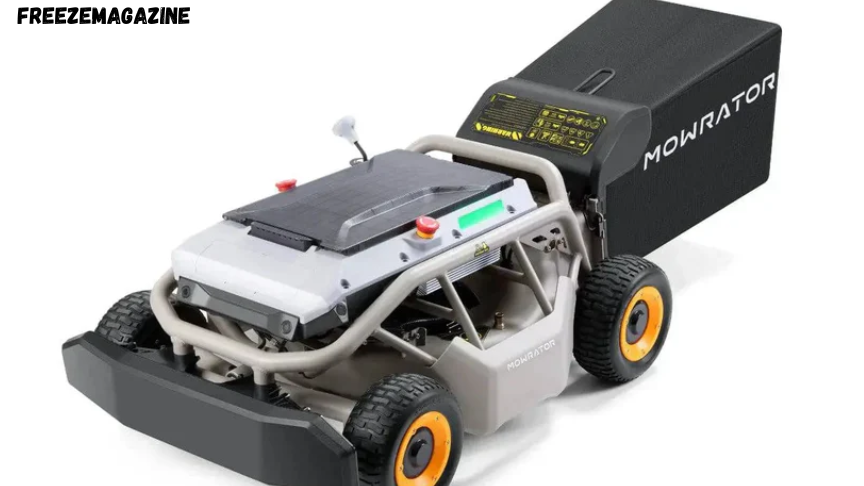
In modern industrial and logistics environments, outdoor maintenance is closely linked to safety, visibility, and operational continuity. Across the Netherlands, where logistics hubs, warehouses, and distribution centers operate in high density areas, maintaining green zones around facilities is a routine requirement. The introduction of robotic mowing systems, such as the MowRator Robotic Lawnmower, reflects a shift toward automation in facility maintenance.
Although mowing is not a core logistics activity, unmanaged vegetation can affect drainage, reduce visibility, and interfere with access routes. Robotic systems offer a structured approach to maintaining these areas while reducing manual labor requirements.
Industrial Context in the Netherlands
The Netherlands has a strong logistics infrastructure, supported by ports, inland transport networks, and industrial parks. Many facilities include landscaped zones for environmental compliance and water management. Regular maintenance of these areas is necessary due to frequent rainfall and soft ground conditions.
Robotic lawn mowing systems provide a practical solution in this context. They allow facility managers to maintain large areas with consistent results while reducing the need for continuous operator presence.
Technology Overview and Use Cases
Core Functional Principles
Robotic lawnmowers operate through a combination of battery power, remote control systems, and programmed navigation. Advanced models integrate multiple mowing functions, including mulching, collection, and discharge.
Typical use cases in industrial environments include:
· Maintenance of warehouse perimeter zones
· Upkeep of logistics park green buffers
· Management of access roads and drainage areas
· Routine care of large facility campuses
Efficiency and Productivity Benefits
Automation in ground maintenance supports efficiency by reducing manual workload and improving scheduling flexibility. Robotic systems can operate during off peak hours, minimizing disruption to logistics operations.
Key productivity benefits include:
· Reduced dependence on manual labor
· Consistent cutting quality across large areas
· Lower operational downtime for maintenance tasks
· Predictable maintenance cycles
Technical Capability Considerations
Before deploying robotic lawnmowers, industrial operators should assess technical requirements and compatibility with site conditions:
· Battery capacity and charging infrastructure
· Terrain adaptability, including slopes and uneven ground
· Remote control range and signal reliability
· Cutting width and adjustable height settings
· Integration with existing maintenance workflows
Proper evaluation ensures reliable operation and prevents unnecessary interruptions.
Factors Influencing Performance and Safety
Several factors affect the performance and safety of robotic mowing systems:
· Weather conditions, especially rain and ground moisture
· Obstacles such as pallets, debris, or uneven surfaces
· Operator supervision and system monitoring
· Routine maintenance, including blade inspection
Ignoring these factors may lead to reduced efficiency or equipment damage.
Safety Considerations and Best Practices

Safety remains a priority when introducing automated equipment into active industrial environments. Even autonomous systems require structured oversight.
· Define operational zones separate from vehicle traffic
· Schedule mowing outside peak logistics activity
· Conduct regular safety checks before operation
· Ensure emergency stop functions are accessible
· Train staff on system monitoring and intervention procedures
These practices reduce risks to personnel and equipment.
Equipment, Tools, and Accessories
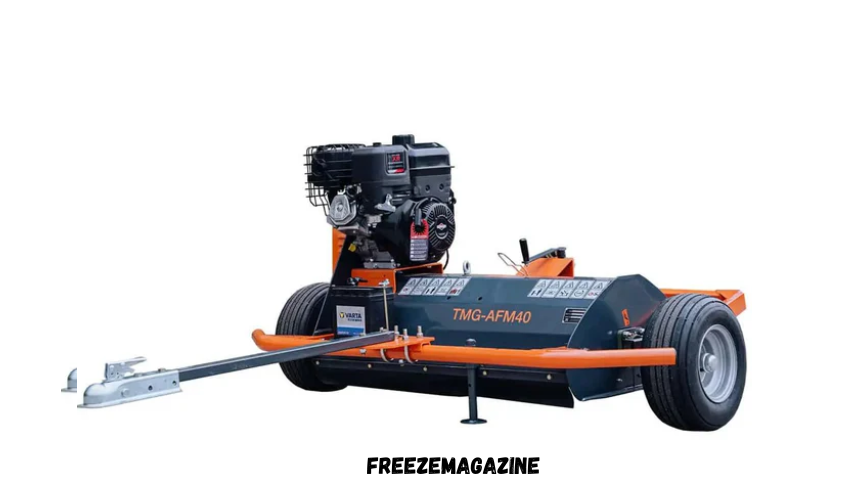
TMG Industrial Robotic lawn mowing systems often include or require supporting components:
· Battery charging stations
· Remote control units or monitoring devices
· Replacement blades and maintenance kits
· Protective storage covers
· Boundary marking systems where required
These elements contribute to efficient and safe operation.
Advantages and Limitations
Robotic mowing systems offer several operational advantages:
· Reduced labor requirements
· Consistent maintenance output
· Flexible scheduling
However, limitations should also be considered:
· Dependence on battery performance
· Sensitivity to complex terrain
· Requirement for regular monitoring and maintenance
Real World Application Example
A distribution center in the southern Netherlands implemented robotic lawnmowers to maintain its perimeter zones. By scheduling operations during low traffic periods, the facility reduced manual workload and improved consistency in ground maintenance. The system allowed staff to focus on core logistics tasks while ensuring that outdoor areas remained safe and accessible.
Conclusion and Future Trends
Robotic lawn mowing systems represent a practical extension of automation in industrial facility management. For warehouse managers and logistics professionals, these systems support efficient maintenance of outdoor spaces while improving safety and operational planning.
Future developments are likely to include improved navigation systems, longer battery life, and enhanced integration with facility management platforms. As industrial sites continue to adopt automation, robotic maintenance equipment will play a growing role in supporting safe and efficient operations.







Post Comment