Outdoor Tiles Melbourne: Choosing the Right Tiles for Durable and Stylish Outdoor Spaces
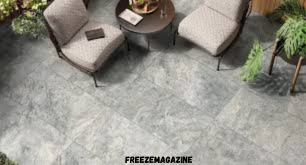
Melbourne’s diverse climate and distinctive outdoor living culture make selecting the right tiles for your exterior spaces both crucial and challenging. From scorching summer days to frosty winter mornings, your outdoor tiles need to withstand extreme temperature fluctuations while maintaining their aesthetic appeal. Whether you’re renovating a courtyard, updating a poolside area, or creating an alfresco entertaining space, understanding your tile options ensures you make an investment that lasts for decades.
Understanding Melbourne’s Climate Challenges
Melbourne’s famously unpredictable weather creates unique demands for outdoor materials. Temperature swings of 15-20 degrees in a single day aren’t uncommon, and this constant expansion and contraction can cause inferior tiles to crack, chip, or delaminate over time. Winter frosts followed by warm afternoons put particular stress on tile surfaces, while summer heat can make certain materials uncomfortably hot underfoot.
UV exposure is another critical consideration. Melbourne receives high levels of ultraviolet radiation, especially during summer months, which can fade or discolor tiles that aren’t specifically designed for outdoor use. The right tile selection accounts for all these factors, ensuring your outdoor space remains beautiful and functional year-round.
Rain patterns also play a role in tile selection. Melbourne’s wet winters mean your outdoor tiles will spend months subjected to moisture, making slip resistance and proper drainage essential safety considerations. Tiles that look stunning in a showroom may become dangerously slippery when wet, making practical testing and expert advice invaluable.
Porcelain Tiles: The Premium Choice
When it comes to durability and versatility, porcelain tiles stand out as the superior option for Melbourne outdoor applications. Their incredibly low water absorption rate—typically less than 0.5%—makes them highly resistant to freeze-thaw damage that plagues other materials in Melbourne’s climate.
High-quality outdoor tiles melbourne residents install are manufactured through a process that creates an extremely dense, hard-wearing surface. This density translates to exceptional resistance to staining, scratching, and fading, even under harsh UV exposure. Unlike natural stone, porcelain doesn’t require regular sealing, significantly reducing maintenance requirements.
Modern porcelain tiles also offer remarkable aesthetic versatility. Advanced manufacturing techniques allow for realistic timber, stone, concrete, and terrazzo looks without the maintenance headaches of natural materials. You can achieve the warmth of travertine or the contemporary appeal of bluestone while benefiting from porcelain’s superior performance characteristics.
The thickness of porcelain tiles designed for outdoor use—typically 20mm—provides additional benefits. These thicker tiles can be laid on adjustable pedestals, sand, or gravel without a concrete substrate, offering flexible installation options and improved drainage. This makes them ideal for rooftop terraces, balconies, and areas where traditional wet-bed installation isn’t practical.
Texture and Slip Resistance
Safety should never be compromised for aesthetics, particularly around pools, on steps, or in frequently wet areas. Australian standards require specific slip resistance ratings for commercial applications, and applying the same standards to residential projects makes good sense.
The P-rating system (P0 to P5) and R-rating system (R9 to R13) measure slip resistance, with higher numbers indicating better traction. For most outdoor applications, aim for a minimum P4 or R11 rating, especially around water features or in shaded areas that remain damp longer.
Textured finishes provide better grip than polished surfaces without sacrificing visual appeal. Matte, structured, and anti-slip finishes are available in virtually every design aesthetic, from sleek contemporary to rustic traditional. Many manufacturers now offer the same tile design in multiple finish options, allowing you to maintain visual continuity while adjusting slip resistance for different zones. Working with concrete contractors St. Louis can further ensure that surface finishes are applied correctly for both safety and long-term durability.
Color Considerations
Color choice impacts more than just aesthetics—it affects comfort and practicality. Dark tiles absorb more heat, becoming uncomfortable to walk on during Melbourne’s summer months. If you love the look of charcoal or black tiles, consider using them in shaded areas or spaces used primarily during cooler months.
Light-colored tiles reflect heat, staying cooler underfoot and helping reduce the heat island effect around your home. Neutral tones like beiges, light grays, and warm creams offer timeless appeal while maintaining comfortable surface temperatures. They also show less dirt and dust than very light or very dark options, reducing cleaning frequency.
Consider how your chosen color will interact with your home’s architecture and surrounding landscape. Tiles that complement your interior flooring create seamless indoor-outdoor flow, visually expanding your living space—a key design principle in Melbourne’s outdoor-focused lifestyle.
Size and Format Choices
Large-format tiles create a contemporary, spacious feel and reduce grout lines, which means less maintenance and easier cleaning. Formats like 600x600mm, 900x600mm, or even larger plank styles suit modern outdoor designs and pair beautifully with minimalist architecture.
However, smaller tiles aren’t just traditional—they offer practical advantages for complex layouts, curved areas, or spaces requiring more precise drainage slopes. Mosaic tiles provide excellent grip and work well for pool surrounds or feature areas, though they require more grout maintenance.
Rectangular plank tiles offer the best of both worlds, providing contemporary appeal while allowing for creative laying patterns. Herringbone, chevron, or running bond patterns add visual interest without overwhelming your space.
Installation Considerations
Even the highest-quality tiles will fail prematurely without proper installation. Outdoor tiling requires specific techniques that differ significantly from interior applications. Adequate substrate preparation, appropriate adhesives, and properly sized expansion joints are non-negotiable.
Drainage is critical in Melbourne’s climate. Your outdoor tiling project should incorporate appropriate falls—typically 1:100 minimum—to prevent water pooling. Standing water not only creates slip hazards but can also freeze in winter, potentially causing damage over time.
Companies like RMG Tiling & Bullnose understand local climate challenges and can recommend solutions tailored to your specific site conditions.
Maintenance and Longevity
One of porcelain’s greatest advantages is its minimal maintenance requirements. Regular sweeping and occasional mopping with pH-neutral cleaners keep porcelain tiles looking new for decades. Unlike natural stone, porcelain won’t stain from spilled wine, oils, or outdoor dining mishaps.
Grout requires more attention than the tiles themselves. Using high-quality, flexible grout designed for outdoor applications prevents cracking and moisture penetration. Epoxy grout, while more expensive initially, offers superior stain resistance and durability, particularly in high-traffic areas or around pools.
Annual inspections of grout lines and tile edges help identify minor issues before they become major problems. Addressing small cracks or loose tiles promptly prevents water infiltration that could damage the substrate beneath.
Budget and Value
Quality outdoor tiles represent a significant investment, but they’re one that pays dividends through longevity and reduced maintenance. When calculating costs, consider the total lifecycle expense, not just the initial outlay. Cheap tiles that need replacing every few years ultimately cost more than premium products that last 30+ years.
Price variations reflect differences in manufacturing quality, size, finish complexity, and design. While budget constraints are real, allocating funds toward quality tiles and professional installation prevents costly failures and disappointments.
Shopping at a reputable tile shop melbourne homeowners trust ensures you receive expert advice, quality products, and often better warranty coverage than discount suppliers. The ability to see and feel tiles before purchasing, combined with professional guidance on suitability for your specific application, makes specialist retailers worth the potentially higher price point.
Making Your Selection
Start by assessing your outdoor space’s specific requirements: foot traffic levels, sun exposure, proximity to water, and intended use. Collect inspiration images, but prioritize practical considerations alongside aesthetics.
Request samples and test them in your actual space, observing how they look in different lighting conditions and weather. Check their temperature on a hot day and their grip when wet. This hands-on evaluation prevents costly mistakes.
Consider coordinating your outdoor tiles with your interior flooring for seamless transitions, or use contrasting materials to define different zones within your outdoor area. Both approaches can work beautifully when executed thoughtfully.
Investing time in selecting the right tiles ensures you create a beautiful, safe, and durable environment that enhances your property value and daily enjoyment for years to come.







Post Comment