The Rise Of Soft Interiors In Modern Homes
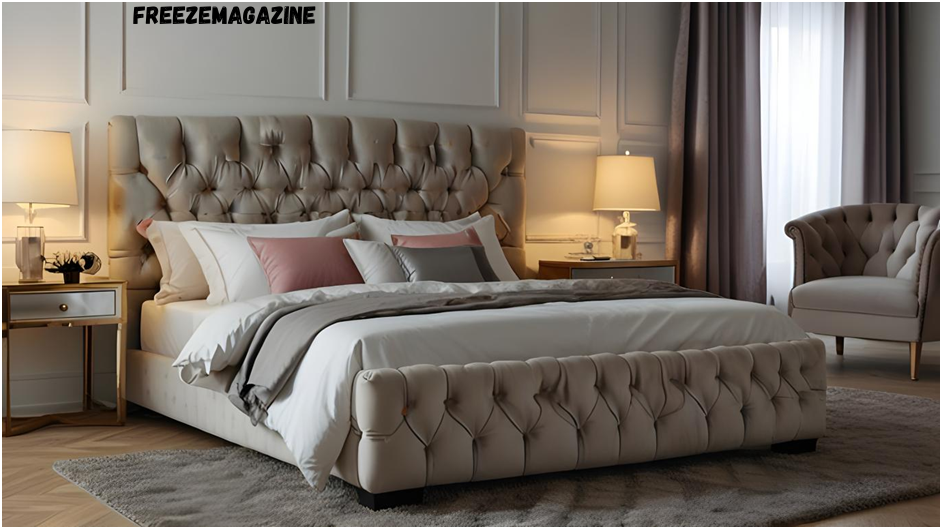
Interior designs have been constantly evolving, and the major trendsetter has been the rise of neutrals and soft interiors, notes Hawaii Coastal PM solutions . Once pops of colour and sharp spaces were a trend, and they were the perfect addition to your homes, but now things have changed. The new lifestyles and modern style are all about calm, relaxation and prioritising the need for structured aesthetics. And everyone is all about it.
What Are Soft Interiors?
Soft interiors refer to spaces designed with:
- Gentle shapes
- Curves
- Warmth
- Calming colour palettes
- Plush, tactile materials
- Layered textures
- Relaxed atmosphere
- Inviting layouts
Today, people are switching over from those sharp edges and that pop of colours and want a soothing environment, and this is what soft interiors are all about.
Why Soft Interiors Are Gaining Popularity?
Several lifestyle and cultural shifts affect the increased desire to have soft interiors.
- A Greater Focus On Wellbeing
- Reducing visual stress
- Promoting relaxation
- Creating a sense of safety
- Encouraging mindful living
- The Shift Toward Comfort-First Living
People are choosing:
- Softer furniture
- Cosier fabrics
- Ergonomic layouts
This is an inclination towards interiors that are good to live in, as well as to look at.
- Increased Time Spent At Home
The longer the time spent at home, working, resting, or socialising, the more comfortable and supportive spaces are required.
Homes have become expected to be:
- Workspaces
- Relaxation areas
- Social environments
- Personal retreats
All of these functions are made possible with soft interiors, and let’s not forget your bedroom. You need upholstered storage beds that match your soft interiors and provide a statement finish.
- A Move Away From Harsh Minimalism
Modern homeowners prefer:
- Warm minimalism
- Soft textures
- Subtle layering
This makes it more inviting and habitable.
Key Elements Of Soft Interior Design
- Curved & Organic Shapes
Harder edges are also being substituted by more rounded ones.
Examples include
- Curved sofas
- Rounded coffee tables
- Arched mirrors
- Circular rugs
Benefits
- Makes a less formal visual flow.
- Reduces harshness
- More organic and welcoming.
- Muted & Warm Colour Palettes
Colour is a very important factor in determining softness.
Popular colour choices:
- Warm whites
- Beige and cream
- Soft greys
- Dusty pinks
- Sage green
- Earthy tones
The reason why these colours work is:
- They lessen tension on the eye
- Make the environment conducive
- Reflect light softly
- Layered Textures
Soft interiors need texture.
Common materials used
- Linen
- Cotton
- Wool
- Velvet
- Boucle
- Natural wood
Layering techniques:
- Cushions and throws
- Rugs over flooring
- Upholstered furniture
- Soft curtains
- Soft Lighting
Lighting is a very important factor in the feeling of a space.
Features of soft lighting:
- Warm light tones
- Diffused light sources
- Multiple light layers
Lights to install:
- Table lamps
- Floor lamps
- Wall sconces
- Indirect LED lighting
- Cosy and welcoming furniture
Soft interiors focus more on comfort and usability when it comes to furniture.
Characteristics:
- Deep seating
- Plush cushions
- Upholstered finishes
- Rounded edges
Soft Interiors Across Different Spaces
- Living Room
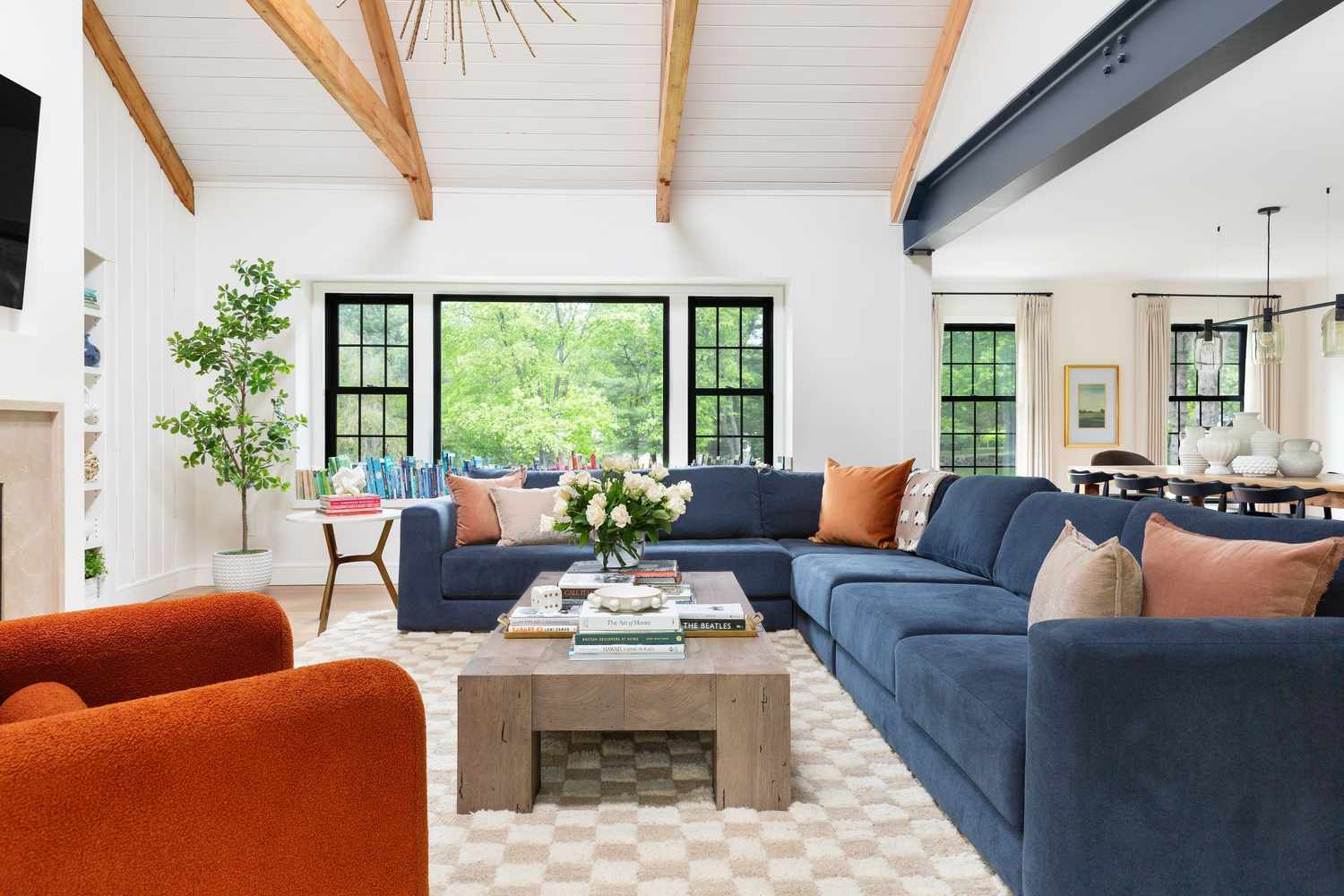
The living room happens to be the most visible area and, therefore, the best place to portray soft design.
Key features:
- Large, comfortable sofas
- Layered cushions
- Soft rugs
- Warm lighting
Its aim is to make the environment inviting and easy-going.
- Bedroom
The bedroom naturally is conducive to soft interiors.
Important elements
- Plush bedding
- Soft headboards
- Calming colours
- Minimal clutter
This creates a restful and peaceful space.
- Dining Area
Even functional spaces like dining areas can benefit from softness.
Design ideas:
- Upholstered dining chairs
- Rounded tables
- Warm lighting
These aspects make the space friendlier.
- Home Office
Productivity can also be enhanced by using soft interiors.
Features to include:
- Comfortable seating
- Warm lighting
- Minimal distractions
- A less demanding work environment minimises stress at work
Benefits Of Soft Interior Design
There are some benefits to soft interiors other than beauty.
- Physical Benefits
- Improved comfort
- Reduced physical strain
- Better relaxation
- Emotional Benefits
- Lower stress levels
- Increased sense of calm
- Enhanced mood
- Practical Benefits
- More livable spaces
- Better adaptability
- Timeless design appeal
How To Incorporate Soft Interiors Into Your Home
- Start With Textiles
- Include pillows and blankets
- Use soft rugs
- Choose light curtains
- Adjust Lighting
- Substitute cold bulbs with warm bulbs
- Add lamps
- Use dimmable lighting
- Introduce Curves
- Choose rounded furniture
- Add round decorations
- Simplify The Space
- Remove clutter
- Keep surfaces minimal
- Choose Comfortable Furniture
- Choose comfort above fashion
- Choose soft and supportive chairs
Common Mistakes To Avoid
- Stuffing the room with soft stuff
- Ignoring functionality
- Utilising excessive similar textures
- Overlooking form and composition
- Not ensuring balance
The Role Of Sustainability In Soft Interiors
Sustainable choices include:
- Natural materials
- Durable furniture
- Timeless colour palettes
This will minimise the replacements you need, mostly.
Long-lasting Effect Of Soft Interiors
Fabric interiors contribute to long-term well-being.
Key impacts:
- Improved mental health
- Better sleep quality
- Reduced daily stress
- Enhanced comfort
Long-Term Impact Of Soft Interiors
It indicates a more fundamental transition to:
- Human-centric design
- Wellness-focused living
- Practical comfort
Soft interiors are going to stay due to the dynamic nature of lifestyles.






Post Comment