Custom Beauty Boxes vs. Department Store Shopping: 10 Shocking Cost Comparisons for US Consumers
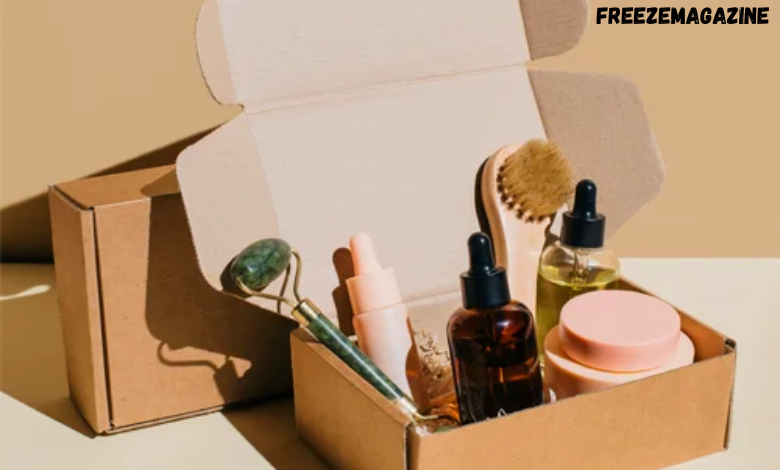
American consumers spent over $93 billion on beauty products in 2023, with shopping patterns shifting dramatically across different retail channels. Traditional department store beauty counters, once the primary destination for premium cosmetics, now compete with subscription-based delivery models that promise personalized selections at competitive prices. This transformation reflects broader changes in how consumers evaluate value, convenience, and product discovery in the beauty market.
The financial implications extend beyond simple price comparisons. Department stores carry overhead costs that influence pricing structures, while subscription models operate on different economic principles that can affect long-term spending patterns. Understanding these cost dynamics helps consumers make informed decisions about their beauty purchasing strategies, particularly as both shopping methods offer distinct advantages and potential drawbacks.
Economic factors such as inflation, supply chain adjustments, and changing consumer preferences have created a complex landscape where traditional assumptions about beauty shopping costs no longer hold. Consumers face decisions that impact not only immediate expenses but also their overall beauty product satisfaction and discovery process.
Price Structure Differences Between Subscription and Retail Models
Department stores and subscription services operate on fundamentally different pricing models that create varying cost outcomes for consumers. Department stores typically apply standard markup structures across beauty brands, with prices reflecting retail space costs, sales associate commissions, and inventory management expenses. These fixed costs remain consistent regardless of individual consumer purchasing patterns.
Custom beauty boxes function through subscription pricing that spreads costs across recurring deliveries, allowing companies to negotiate bulk purchasing agreements with manufacturers. This structure can result in per-product costs that differ significantly from traditional retail pricing, though the comparison becomes complex when factoring in subscription commitment requirements.
The mathematical relationship between these models creates scenarios where identical products may cost different amounts depending on the purchasing method. Department stores often run promotional events and seasonal sales that temporarily alter their pricing advantage, while subscription services maintain more consistent monthly costs that may include products consumers would not have selected independently.
Monthly Cost Predictability and Budget Planning
Subscription services provide fixed monthly expenses that allow for precise budget allocation, while department store shopping creates variable costs based on individual purchasing decisions. This predictability can help consumers manage beauty expenses within broader household budgets, though it may also lead to spending on products that would not have been chosen through traditional shopping methods.
Department store purchases allow consumers to control timing and selection, but often result in irregular expense patterns. Large purchases during sales events or new product launches can create budget spikes, while periods without purchases may not reflect actual product consumption needs.
Hidden Costs and Additional Expenses
Transportation costs, parking fees, and time investments associated with department store shopping represent hidden expenses that subscription services eliminate. Urban consumers may spend considerable amounts on parking or public transportation to access premium beauty retailers, while suburban shoppers face fuel costs and time commitments for specialty beauty shopping trips.
Subscription services may include shipping costs within their pricing structure, though some require additional fees for expedited delivery or special handling. Return processes for unsuitable products can also create additional costs or complications depending on the service provider’s policies.
Product Discovery and Sampling Cost Analysis
Traditional department store shopping provides immediate product testing through testers and sample applications, allowing consumers to evaluate products before purchase. This sampling process reduces the risk of purchasing unsuitable products but does not eliminate the possibility of products performing differently in home environments compared to store conditions.
Beauty subscription services approach product discovery through curated selections based on consumer profiles and preferences. This method exposes consumers to brands and products they might not encounter through traditional shopping, potentially expanding their beauty repertoire while also creating situations where products do not match individual preferences or needs.
The cost implications of unsuccessful product purchases differ significantly between these approaches. Department stores typically offer return policies for unopened or minimally used products, while subscription services may provide different return or exchange options that could affect the overall value proposition.
Sample Size Value and Full Product Costs
Many subscription services include sample sizes alongside full-size products, which can extend the duration of each delivery and effectively reduce per-use costs. These samples allow consumers to test multiple products without committing to full sizes, though the cost-per-ounce of sample sizes typically exceeds that of full products when purchased separately.
Department stores offer samples primarily as promotional tools, with inconsistent availability and limited quantity controls. Consumers may receive generous samples during promotional periods but cannot rely on sampling as a consistent method for product evaluation across all desired items.
Brand Access and Premium Product Availability
Department stores maintain established relationships with major beauty brands and often serve as exclusive launch partners for new products. This relationship structure means certain products, limited editions, or newly released items may be available through department stores before appearing in subscription services or other retail channels.
Subscription services may focus on emerging brands or lesser-known products that offer better profit margins than established premium brands. This approach can introduce consumers to effective products at lower price points, though it may not satisfy preferences for specific high-end brands or cult-favorite products available primarily through traditional retail.
The U.S. Census Bureau tracks retail sales data showing continued strength in department store beauty sales alongside growth in direct-to-consumer beauty services, indicating that both channels serve distinct consumer needs and preferences.
Exclusive Products and Limited Availability Items
Department stores often negotiate exclusive product variations, gift sets, or limited edition items that may not be available through subscription services. These exclusives can offer value through unique packaging, larger sizes, or bundled products, though they may also carry premium pricing that reflects their exclusive status.
Subscription services may offer exclusive access to certain emerging brands or custom formulations developed specifically for their customer base. These products may provide cost advantages and unique options, but consumers lose the ability to repurchase favorites if they decide to cancel their subscription.
Long-term Cost Accumulation and Spending Patterns
Extended analysis of beauty purchasing patterns reveals significant differences in total annual spending between department store shoppers and subscription service users. Department store purchases tend to concentrate around specific events, seasons, or promotional periods, creating spending patterns that may result in bulk purchases during sales events followed by periods of minimal beauty spending.
Subscription services create consistent monthly expenditures that accumulate steadily throughout the year. This spending pattern may result in higher total annual costs due to the regularity of purchases, even when individual monthly amounts appear modest compared to single department store shopping trips.
Consumer behavior research indicates that subscription services can alter purchasing psychology, making ongoing expenses less noticeable than larger, infrequent purchases. This psychological factor can contribute to higher overall spending than consumers initially anticipate when beginning subscription services.
Product Accumulation and Usage Rates
Regular subscription deliveries can result in product accumulation that exceeds individual usage rates, effectively increasing the cost per product actually used. Beauty products have expiration dates and optimal usage periods that may be exceeded when subscription deliveries outpace consumption patterns.
Department store purchases allow consumers to align buying with consumption, though they may also lead to stockpiling during sales events that creates similar accumulation issues. The key difference lies in consumer control over purchase timing and quantity decisions.
Subscription Commitment and Flexibility Costs
Many subscription services require commitment periods or impose fees for frequent plan changes, which can create additional costs when consumer needs or preferences change. These commitment requirements may result in continued charges for services that no longer match consumer preferences or usage patterns.
Department store shopping provides complete flexibility for timing and selection changes without ongoing obligations, though this flexibility may result in missed promotional opportunities or higher per-unit costs due to lack of bulk purchasing power.
Geographic and Demographic Cost Variations
Regional differences in department store availability and pricing create varying cost advantages for subscription services across different U.S. markets. Urban consumers with access to multiple department stores and frequent promotional events may find different cost relationships than rural consumers who rely primarily on online ordering or infrequent trips to distant retail locations.
Demographic factors such as age, income level, and beauty product usage patterns also influence the cost effectiveness of each shopping method. Heavy beauty product users may benefit more from subscription service bulk pricing, while occasional users might find department store shopping more economical due to precise purchase control.
State sales tax variations affect the total cost comparison between these shopping methods, as subscription services and department stores may apply different tax collection approaches depending on shipping origins and delivery destinations.
Regional Brand Availability and Pricing
Certain beauty brands maintain different regional pricing strategies or availability patterns that can affect local cost comparisons. Department stores in major metropolitan areas may offer competitive pricing due to market saturation, while smaller markets might see higher prices due to limited competition.
Subscription services typically maintain consistent national pricing, which can create advantages for consumers in higher-cost regional markets but may be less competitive in areas with strong department store competition and frequent promotional activity.
Return Policy and Customer Service Cost Implications
Department stores generally provide immediate return processing and in-person customer service that can resolve product issues without additional shipping costs or waiting periods. This service level creates value that may not be immediately apparent in price comparisons but affects overall cost effectiveness when problems arise.
Subscription services handle returns through shipping processes that may involve delays, shipping costs, or more complex communication requirements. While many services offer satisfaction guarantees, the practical implementation may create inconvenience or additional costs that affect the overall value proposition.
Product defects, shipping damage, or preference mismatches can create different cost outcomes depending on how each shopping method handles resolution. These contingency costs should factor into overall cost analysis, particularly for consumers who frequently need to return or exchange beauty products.
Conclusion
The cost comparison between custom beauty boxes and department store shopping reveals a complex relationship influenced by individual usage patterns, geographic factors, and personal preferences. Neither option provides universal cost advantages across all consumer situations, making informed decision-making essential for optimizing beauty spending.
Subscription services offer predictable monthly costs and product discovery benefits that can provide value for consumers seeking variety and convenience. However, these advantages may come with higher total annual costs and reduced control over specific product selection. Department store shopping maintains flexibility and immediate gratification but requires more active management of timing and promotional opportunities to optimize costs.
The most effective approach may involve combining both methods strategically, using subscription services for product discovery and routine items while leveraging department store sales for specific high-value purchases. This hybrid strategy can capture advantages from both systems while minimizing their respective limitations.
As the beauty retail landscape continues evolving, consumers benefit from regularly reassessing their shopping strategies to ensure alignment with changing preferences, financial situations, and available options. The cost dynamics between these shopping methods will likely continue shifting as both industries adapt to changing consumer demands and market conditions.








Post Comment