Flame-Proof Your Home: Smart Fire Safety Strategies
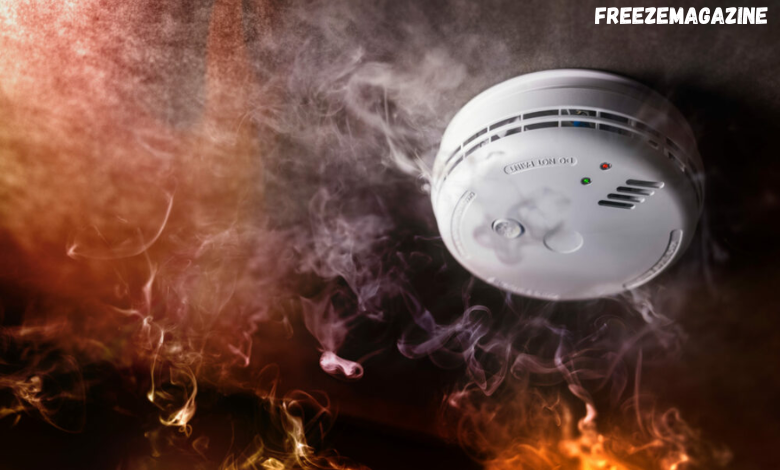
Fire is a vital yet potentially destructive force. While it provides warmth and energy, uncontrolled flames can cause severe injury and property damage. Each year, thousands of residential fires are reported, yet many could be prevented with proactive safety measures. This guide covers practical steps to enhance fire safety, helping you protect your home and loved ones effectively.
1. Install and Maintain Smoke and CO Detectors
Place them in every bedroom, outside sleeping areas, and on all floors, including basements. Install smoke alarms in every bedroom Newer models with 10-year batteries simplify maintenance—just replace the unit when the battery expires.
Carbon monoxide detectors are equally important, particularly if you use gas appliances. Some devices combine smoke and CO detection for comprehensive protection.
2. Develop a Fire Escape Plan
Identify two exit routes from each room, usually a door and a window, and designate a safe meeting point outside the home. Practice drills at least twice yearly, including night scenarios. Teach everyone, especially children, how to check doors for heat and move low beneath smoke for safety.
3. Use Household Appliances Responsibly
Never leave cooking unattended, and keep flammable items away from stovetops. Inspect electrical cords for damage, avoid overloading outlets, and maintain a safe distance for heaters and other appliances from combustible items. Always turn off appliances before leaving home or sleeping.
4. Choose Fire-Resistant Materials and Landscaping
For homes in wildfire-prone regions, exterior safety is crucial. Use fire-resistant plants, gravel, stone, or concrete instead of flammable mulch. Keep yards free from dead leaves and debris. Consider fire-retardant roofing, siding, and window options, and maintain a defensible space of at least 30 feet around your property to reduce fire spread risks.
5. Store Combustible Items Safely
Gasoline, paint thinners, and cleaning solutions are highly flammable. Keep them in original containers, away from heat sources, and out of reach of children. Firewood, propane, and other combustibles should be stored safely away from the home in well-ventilated areas.
6. Equip Your Home with Fire Extinguishers
Fire extinguishers help prevent small fires from escalating. Place them in kitchens, garages, and near sleeping areas. Learn the PASS method—Pull the pin, Aim at the base, Squeeze, and Sweep. Opt for ABC-rated extinguishers for general use and inspect them regularly.
7. Seek Professional Safety Inspections
Certified professionals including furnace repair in Herriman can identify hidden fire risks. Your local fire department may also offer free home safety assessments tailored to your property.
Final Thoughts
Fire safety requires continuous attention and practical preparation. From alarms and extinguishers to responsible appliance use and escape planning, every preventive step strengthens your home’s defense. By adopting these strategies today, you safeguard your property, protect your family, and gain peace of mind before emergencies arise.









Post Comment