The Complete Water Damage Restoration Timeline: What to Expect
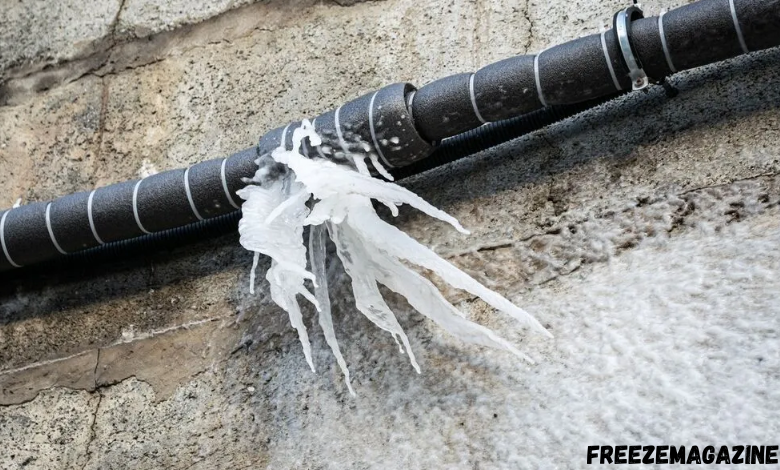
Water damage can strike suddenly, whether due to a burst pipe, severe storm, appliance failure, or roof leak. The aftermath can be overwhelming, and without immediate and professional attention, water damage can quickly escalate into structural issues, mold growth, and costly repairs. Understanding the water damage restoration process helps homeowners in Dallas‑Fort Worth navigate each step confidently, ensuring their property is fully restored and safe to occupy. Trusted services like Regent Restoration specialize in managing water damage emergencies, providing professional expertise, advanced equipment, and efficient timelines that minimize long-term damage.
This guide outlines a complete timeline of water damage restoration, explaining each phase from initial assessment to full recovery. By knowing what to expect, homeowners can make informed decisions, communicate effectively with restoration professionals, and prepare for insurance claims.
Initial Assessment and Emergency Response
The water damage restoration process begins with a rapid assessment to determine the source, severity, and type of water involved. Water is categorized into three levels: clean water from broken pipes, gray water from appliances, and black water from sewage or flood events. The classification affects the approach to mitigation and safety precautions.
Immediate steps may include shutting off the water source, removing standing water, and implementing temporary measures such as tarping roofs or placing containment barriers. Prompt response is critical to prevent structural deterioration, electrical hazards, and mold growth.
Water Extraction and Initial Cleanup
Once the situation is stabilized, the next phase involves water extraction and preliminary cleanup. High-capacity pumps and industrial vacuums remove standing water, while wet-dry vacuums and mops address residual moisture. Professional teams inspect floors, walls, and ceilings to identify water penetration and hidden pools of water that could compromise structural integrity.
During this stage, personal belongings are assessed for salvageability. Items that can be dried and restored are separated from materials that are too damaged, including carpets, drywall, and insulation. Proper documentation, including photographs and detailed notes, is crucial for insurance purposes and ensures accurate claims processing.
Drying and Dehumidification
After water removal, the affected areas must be thoroughly dried to prevent mold growth and secondary damage. Specialized equipment, such as air movers, industrial fans, and dehumidifiers, accelerates the drying process. Moisture meters and infrared cameras are often used to monitor hidden areas, including behind walls, under flooring, and inside wall cavities, ensuring no moisture is left behind.
Drying can take several days depending on the extent of the damage and the type of materials involved. During this time, ventilation and airflow management are critical to speed drying while maintaining safe indoor air quality.
Mold Prevention and Remediation
Mold can develop within 24–48 hours after water exposure, making early intervention essential. Restoration teams inspect the property for visible mold and signs of hidden growth. Remediation may include removing affected materials, applying antimicrobial treatments, and installing air filtration devices to prevent spores from spreading.
Expert services such as Regent Restoration provide comprehensive mold remediation, safeguarding both the property’s integrity and the well-being of its residents. Effective remediation prevents recurrence and supports compliance with safety standards.
Structural Repairs and Restoration
Once the property is dried and sanitized, structural repairs begin. Damaged drywall, flooring, insulation, and ceilings are replaced or repaired to restore the home to pre-damage condition. In severe cases, electrical, plumbing, or roofing repairs may also be necessary to ensure safety and functionality.
Restoration professionals coordinate repairs to maintain continuity and minimize disruption. Every repair is documented for insurance purposes, helping homeowners secure proper compensation for materials, labor, and any temporary relocation costs.
Final Inspection and Quality Assurance
The final stage of water damage restoration includes a comprehensive inspection to ensure that all repairs meet safety standards and that the property is fully restored. Moisture levels are verified to confirm complete drying, mold prevention measures are validated, and structural integrity is checked. Homeowners are guided through the restored areas and provided with recommendations for ongoing maintenance to prevent future water damage.
Professional restoration services like Regent Restoration emphasize quality assurance at this stage, ensuring that homes are not only repaired but also safeguarded against potential issues.
Typical Timeline for Water Damage Restoration
While every water damage incident is unique, the following is a general timeline homeowners can expect:
- 0–24 hours: Emergency response and initial assessment
- 1–2 days: Water extraction and preliminary cleanup
- 2–7 days: Drying and dehumidification
- 3–10 days: Mold inspection and remediation (if necessary)
- 5–14 days: Structural repairs, flooring, and restoration
- After 14 days: Final inspection and project completion
Severe or widespread water damage may extend the timeline, particularly when multiple systems, such as HVAC, plumbing, or roofing, are affected. Experienced restoration teams manage these variables efficiently, reducing overall disruption for homeowners.
Frequently Asked Questions (FAQs)
How quickly should I contact a restoration service following water damage?
Ideally, contact a professional immediately. Early intervention prevents secondary damage and mold growth.
Can water damage be fully restored, or will some areas need replacement?
Professional teams assess materials and salvage what can be restored while safely replacing irreparable items.
How long does the restoration process take?
Minor damage may be restored in a few days, while extensive damage can take two weeks or longer. Factors include the source of water, property size, and affected materials.
Will my insurance cover water damage restoration?
Documentation, professional estimates, and timely reporting increase the likelihood of coverage.
Is mold removal included in water damage restoration?
Yes. Mold remediation is a critical part of the process, particularly if water has saturated walls or flooring. Professionals use specialized techniques to prevent recurrence.
Restoring Your Home Safely Through Every Stage of Water Damage Recovery
Water damage restoration involves several crucial steps that demand immediate attention, expert handling, and precise coordination to safeguard your property and avoid additional complications. Beginning with an emergency evaluation and water removal, followed by detailed drying, mold control, structural repairs, and final assessment, each phase plays a vital role in ensuring a thorough and safe recovery. Residents in the Dallas-Fort Worth area can trust experienced professionals like Regent Restoration to oversee the entire process, collaborate with insurance companies, and maintain high safety and quality standards. By understanding the restoration process and taking quick action, homeowners can protect their property, reduce inconvenience, and bring their homes back to a safe, functional, and comfortable state.
Business Name: Regent Restoration
Address: 824 Office Park Cir #100, Lewisville, TX 75057
Phone Number: (214) 731-4624










Post Comment