Cycling the Roads That Follow Europe’s Great Rivers
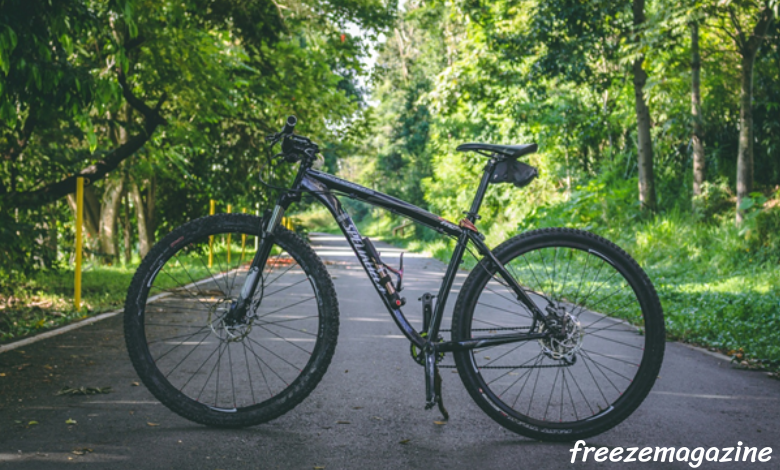
Rivers have always been natural guides. Long before maps, people followed them to find food, water, and passage.
Today, cyclists do the same. Europe’s great rivers carve paths that are gentle, scenic, and steeped in history, offering routes that are as inviting to beginners as they are rewarding for seasoned riders. To follow a river by bike is to travel with a companion that never hurries but always flows, carrying you through landscapes that reveal themselves slowly and gracefully.
Why Rivers Make Perfect Cycling Routes
A river shapes the land around it, and for cyclists, that usually means flatter terrain and forgiving gradients. What begins as a trickle in the mountains becomes a meandering ribbon across valleys, leaving behind towns, vineyards, and farmland along the way. Following these routes, you rarely face the punishing climbs of mountain passes, but instead a steady rhythm that lets you ride longer and see more.
Rivers are also deeply practical. They’ve long been lifelines of commerce and settlement, which means cycle routes along them are dotted with villages, inns, and places to rest. You never feel far from life, yet the water beside you lends a constant sense of calm.
The Danube: A Journey Through Cultures
One of the most celebrated river routes is the Danube, stretching across Central and Eastern Europe. The section between Passau in Germany and Vienna in Austria is especially beloved by cyclists. Here, the river flows past castles, abbeys, and terraced vineyards, the path almost entirely flat and smooth.
What makes the Danube remarkable is not just its scenery but its sense of passage. In just a few days of riding, you pass from Bavarian villages to Austrian wine country to Vienna’s grand boulevards. Each day feels like a new chapter, yet the river ties it all together, a steady thread guiding you eastward.
The Loire: Castles and Gentle Miles
In France, the Loire offers another kind of ride. Known for its châteaux and wine, the Loire Valley is more than a tourist destination—it’s a place where history, culture, and cycling converge. The Loire à Vélo trail stretches for hundreds of miles, but even a short section rewards you with riverside paths, vineyards, and towns that seem frozen in time.
The Loire is forgiving for beginners, with easy gradients and plenty of opportunities to stop. But it’s not just easy—it’s immersive. You ride through villages where markets spill into the streets, past fields where sunflowers still turn their heads to the autumn sun, and into courtyards where centuries-old stones tell stories you don’t need words to understand.
The Mosel: Vineyards and Fairytale Towns
Germany’s Mosel River is smaller than the Danube or Loire, but its intimacy is part of its charm. The river winds in slow curves through valleys lined with vineyards, the hillsides terraced and steep, the towns dotted with half-timbered houses.
Cycling the Mosel means moving at the same rhythm as the river itself. You stop in villages where Riesling is poured as generously as the stories of the winemakers. Castles perch above the bends, watching as cyclists and barges drift past below. It’s a route that feels timeless, where the scenery and the culture merge into one.
The Rhine: A River of Legends
The Rhine has always carried weight in Europe’s imagination—its castles, legends, and songs have filled books for centuries. On two wheels, the river feels both grand and accessible. The stretch between Mainz and Cologne is particularly rewarding, with cliffs rising steeply from the water, fortresses guarding every bend, and vineyards clinging to impossible slopes.
Cycling along the Rhine, you feel the mix of history and myth. Each village seems to have its own tale, each hill its own ruin. Yet the path remains smooth and inviting, making it as practical for a family holiday as for a seasoned cyclist chasing miles.
Rivers Beyond the Famous Names
Not all great river routes are confined to Germany, France, or Austria. Belgium, for instance, offers some of Europe’s most underrated river rides. Paths along the Meuse and Scheldt guide cyclists through gentle valleys, small towns, and landscapes shaped by centuries of trade and tradition. Many Belgium bike tours combine these riverside stretches with historic cities like Ghent or Namur, where a detour off the path means cobbled squares, lively markets, and a plate of local specialties waiting at the end of the ride.
Other rivers, like the Elbe in Germany and the Czech Republic or the Vltava in Bohemia, reveal their own character—quieter, perhaps, but equally rewarding. Even smaller rivers, often little more than ribbons on a map, hold their own charms when explored at the pace of a bicycle.
Tips for Riding River Routes
Cycling rivers may be easier than mountain touring, but they still reward preparation. Distances can be deceptive—flat riding tempts you to go farther, so pacing matters. Towns are often close together, but in quieter stretches it’s wise to carry snacks and water. Autumn is an especially good season for river rides: the crowds are gone, the vineyards glow with color, and the temperatures stay kind to long-distance cycling.
Navigation is simple on most of Europe’s great rivers, with paths well-marked and services tailored to cyclists. Many routes connect easily to trains, letting you shorten or lengthen your journey as needed. It’s the kind of touring where flexibility comes naturally, just as the river itself bends and curves.
Cycling along Europe’s great rivers is more than just a way to cover miles—it’s a way to connect with landscapes that have guided people for centuries. Each bend brings something new: a castle, a vineyard, a quiet village, a reflection of sky on water. The roads are forgiving, but the experiences they hold are profound.
When you follow a river by bike, you travel not against the current but with it, carried forward by the same flow that shaped towns, cultures, and histories. It’s a reminder that sometimes the simplest routes—the ones that follow water—are the ones that leave the deepest mark.










Post Comment