Denmark: Expensive But Worth Every Krone
Denmark costs a fortune. A beer costs 8 euros, lunch is 20 euros minimum, and hotels start around 120 euros per night. But after three visits, I keep going back because Denmark does quality of life better than anywhere else I’ve traveled.
Copenhagen: Design Capital Reality
First thing that hits you in Copenhagen is how ridiculously stylish everything looks. Not just the famous buildings – the trash cans, bike racks, even construction barriers look like they were designed by architects. This isn’t accidental. Danes actually care about making everyday objects beautiful.
The Little Mermaid statue is tiny and disappointing, surrounded by tour buses. Skip it. Instead, walk around Nyhavn harbor district early morning when the colored buildings reflect in the water without crowds blocking every angle. Same Instagram shot, better experience.
Tivoli Gardens works even if you’re not into amusement parks. It’s more about the atmosphere – fairy lights, flower gardens, and that Danish concept of hygge that guidebooks oversell but actually exists. Evening visits during summer are magical, though expensive like everything else.
Danish food has evolved way beyond meatballs and pickled herring. Restaurant prices are insane, but the quality justifies it.
Noma gets all the attention, but honestly, neighborhood restaurants like Restaurant Barr or Höst offer similar quality for half the price. Still expensive by normal standards, but you’re not paying celebrity chef premiums.
Cycling Culture Is Real
Everyone bikes in Copenhagen. Not just tourists on city bikes – actual Danes commuting to work in business clothes, parents dropping kids at school, elderly people doing grocery shopping. The infrastructure makes it safe and practical, not just a tourist activity.
I rented a bike for my entire week there and barely used public transport. The city is flat, bike lanes are everywhere, and cycling feels safer than walking in most cities. Traffic lights have sensors that detect bikes, and car drivers actually respect cycling space.
What really opened my eyes was joining a local cycling group for a day trip outside the city. These weren’t tourists doing Denmark cycling holidays – they were Copenhagen residents who cycle everywhere for recreation and transport. We rode through forests and along the coast, stopping at traditional inns for lunch and local beer. The group welcomed me even though my Danish consisted of “tak” and “undskyld,” and I learned more about Danish culture in one day than from any guidebook.
The cycling infrastructure extends far beyond Copenhagen. Denmark has a national network of cycling routes connecting cities and countryside, with dedicated bike lanes, rest stops, and bike-friendly accommodations everywhere.
Beyond Copenhagen Discoveries
Roskilde surprised me completely. Most tourists skip it, but this former capital has incredible Viking history and a UNESCO-listed cathedral where Danish royalty is buried. The Viking Ship Museum lets you sail replica longships, which sounds touristy but turned out to be genuinely educational and fun.
Aarhus in Jutland feels more relaxed than Copenhagen, with lower prices and fewer tourists. Normally I avoid living history museums, but this one was done so well it felt authentic rather than cheesy.
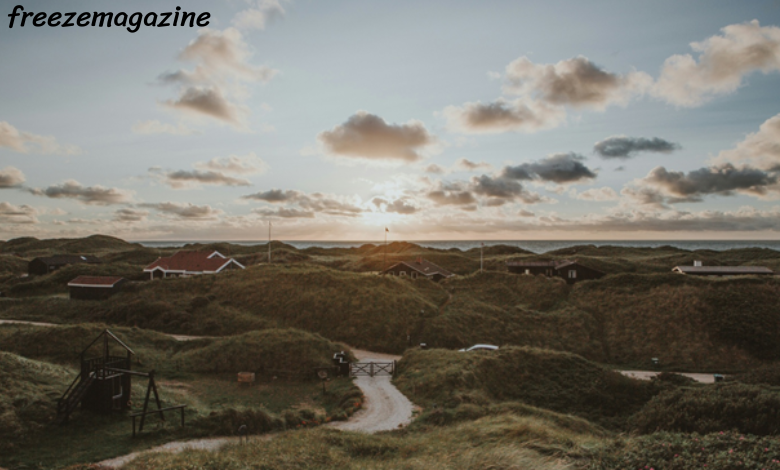
The beaches along Jutland’s west coast are spectacular and virtually empty. Danes vacation there domestically, but international tourists rarely make it past Copenhagen. White sand dunes, North Sea waves, and traditional seaside towns that feel genuinely Danish rather than international resort destinations.
Danish Design Obsession
Everything in Denmark looks intentionally designed. Not just famous furniture – everyday objects like door handles, light switches, and park benches show attention to aesthetic details that other countries ignore completely.
Design shops are everywhere, selling beautiful objects that cost ridiculous amounts. A simple wooden cutting board costs 150 euros, but the craftsmanship is genuinely exceptional. I spent hours in design districts just looking at things I couldn’t afford.
Danish architecture balances tradition with innovation perfectly. Copenhagen’s harbor redevelopment creates modern waterfront neighborhoods that feel integrated with historic areas rather than dropped in randomly.
Practical Danish Realities
Everything costs double what you’d expect. Budget accordingly or you’ll be miserable. Supermarket shopping helps control costs, and Danish supermarkets stock excellent local products.
English is universal among Danes under 50, and most speak it perfectly. Learning basic Danish phrases earns smiles, but it’s not necessary for communication.
Summer offers the best weather and longest days – sunset happens around 10 PM in June. Winter is dark and cold, but Christmas markets and cozy indoor culture make it appealing in different ways.
Public transport is efficient but expensive. The Copenhagen card covers museums and transport, potentially saving money if you’re doing multiple attractions per day.
Danish Efficiency
Everything works in Denmark. Trains run on time, government services function smoothly, and urban infrastructure operates without obvious problems. This efficiency costs money through high taxes, but the results are visible everywhere.
Social trust levels are remarkably high. People leave bikes unlocked, restaurants operate on honor systems for some payments, and public spaces stay clean without heavy enforcement.
The work-life balance genuinely prioritizes life over work. Shops close early, people take proper vacations, and family time seems protected from professional demands.
Worth the Cost?
Denmark delivers experiences you can’t get elsewhere – a functioning society where design, sustainability, and quality of life are genuine priorities rather than marketing concepts. The prices are shocking, but the quality is consistently exceptional.
What keeps me returning is how Denmark makes everyday experiences pleasant. Walking through neighborhoods, sitting in cafes, or cycling through countryside feels more civilized and thoughtful than similar activities elsewhere.
If you can afford it, Denmark offers a glimpse of how societies could function when citizen welfare and environmental responsibility are actual priorities rather than political talking points.










Post Comment