Inca Trail to Machu Picchu: A Beginner’s Guide to Conquering the Sacred Trek
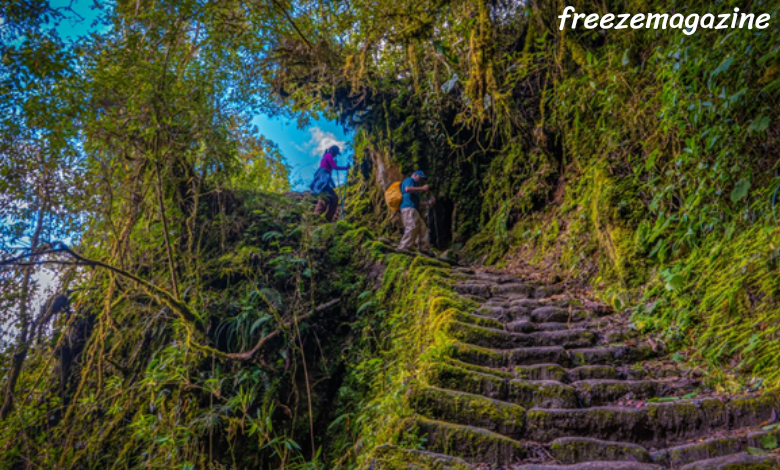
The Inca Trail is one of the world’s most famous trekking routes, leading travelers to the awe-inspiring Machu Picchu. This 42-kilometer journey through the Andean mountains isn’t just about reaching the iconic citadel—it’s a trek through history, where ancient cities, temples, and agricultural terraces tell the story of the Inca civilization. As you walk in their footsteps, you’ll experience a breathtaking combination of physical challenge, archaeological wonders, and natural beauty.
What is the Inca Trail?
The Inca Trail was part of an intricate network of roads built by the Inca Empire, covering over 30,000 kilometers and linking diverse regions across South America. This trail was not only for travel—it had significant ceremonial, political, and military purposes. Today, this route remains a sacred path, with many parts of the original infrastructure still intact, offering trekkers a glimpse into the past while they journey to one of the most majestic archaeological sites in the world: Machu Picchu.
Key Facts and Features of the Inca Trail
- Location: Cusco Region, Peru
- Trailhead: Kilometer 82, Piscacucho village
- Destination: Machu Picchu
- Maximum Altitude: 4,200m at Warmiwañusca Pass (Dead Woman’s Pass)
- Distance: 42 kilometers
- Terrain: A mixture of temperate valleys, high-altitude grasslands, mountain passes, and lush cloud forests.
Why the Inca Trail is Famous
What makes the Inca Trail so iconic is its connection to Machu Picchu, a UNESCO World Heritage Site and one of the New Seven Wonders of the World. The trail is not just a route to the famous citadel but a window into the Inca Empire’s past, with ruins, tunnels, and terraces dotting the landscape along the way. Many consider this to be one of the best treks globally, owing to its unique blend of natural beauty and historical significance.
What to Expect on the Trek
Starting from Piscacucho, the journey quickly ascends toward the first challenge—Warmiwañusca Pass at 4,200 meters. This section of the trail takes you through valleys, ancient settlements, and spectacular views of the Andean peaks. The entire route offers a combination of uphill climbs and scenic descents, including a constant change in ecosystems from high-altitude grasslands to cloud forests and subtropical jungles, making each section a new experience.
Notable Archaeological Sites on the Trail
As you hike the Inca Trail, you’ll come across several fascinating sites, each contributing to the historical tapestry of the trek.
- Runkurakay: A control point located at a high elevation, offering sweeping views of the surrounding valley.
- Sayacmarca: A dramatic settlement built into the mountainside, with narrow streets and steep terrain.
- Phuyupatamarca: Known as the “town above the clouds,” it features ceremonial baths and ritual enclosures.
- Wiñay Wayna: The last major archaeological site before reaching Machu Picchu, blending jungle surroundings with well-preserved terraces.
- Intipunku (Gate of the Sun): The final vantage point of Machu Picchu, where trekkers first glimpse the citadel.
How Challenging is the Inca Trail?
The Inca Trail is classified as a moderate to challenging trek. It’s not a walk in the park but is accessible to most people with adequate preparation. The trail’s difficulty comes from its altitude changes, the rugged terrain, and the long days of hiking—some stretches require up to 8 hours of walking.
- Altitude: The trail climbs from 2,600 meters to 4,200 meters, which can lead to altitude sickness for some trekkers.
- Terrain: The trail involves irregular paths with steep steps, cobbled routes, and constant climbs and descents.
- Weather: The climate can shift from hot during the day to freezing at night, with a risk of sudden rain showers.
- Duration: The trek typically lasts 4 days, with hikers covering 6 to 8 hours of walking each day.
How to Prepare for the Inca Trail
Physical training is key to enjoying this trek. While you don’t need to be an elite athlete, regular cardio and strength training will help your body handle the physical challenges. Here’s how to prepare:
- Cardio (3-4 times per week): Include long uphill walks and hiking, with increased intensity as the trek approaches.
- Strength training (2 times per week): Focus on leg exercises like squats and lunges to build endurance for the uphill climbs.
- Mental preparation: Meditation or yoga can help manage stress and improve focus during long stretches of hiking.
When to Trek the Inca Trail
The best time to hike the Inca Trail is during the dry season, from April to October, when the weather is stable, and the trails are firm. However, this is also the busiest season, so it’s advisable to book permits well in advance.
- Dry Season (April-October): Clear skies, firm trails, and the best time for photography and views.
- Rainy Season (November-March): Fewer tourists, lush green landscapes, but slippery trails and the possibility of heavy rainfall.
Cost and Permits
The Inca Trail is a restricted area, and only 500 people (including guides and porters) are allowed to trek it each day. The cost typically ranges from USD 670 to USD 850 for group services, while private services start at around USD 1,645 per person. Prices vary based on the type of service, season, and the quality of facilities.
Packing Tips
When packing for the Inca Trail, you’ll have a backpack for your personal items and a duffle bag for porters to carry. Be mindful of weight limits and ensure you bring essentials such as:
- Backpack essentials: Sunscreen, a hat, waterproof jacket, medications, snacks, camera, and personal hygiene items.
- Duffel bag: Warm sleeping bag, insulated clothing, additional trekking apparel, and a refillable water container.
Alternative Treks to Machu Picchu
If the Inca Trail is fully booked or you’re looking for a less crowded option, there are several alternative treks to consider, such as the Salkantay Trek, Lares Trek, or the Inca Jungle Trek, each providing distinct landscapes and unforgettable adventures.
Final Thoughts
The Inca Trail to Machu Picchu is more than just a hike; it’s a journey into history, nature, and personal endurance. By preparing adequately, respecting the pace of the trek, and taking in the beauty around you, this trek will become an unforgettable adventure. Whether you’re walking in the footsteps of ancient Incas or simply soaking in the breathtaking views, the Inca Trail will leave you with lasting memories of one of the world’s most iconic treks.





Post Comment