How to Choose the Right HVAC Contractor for Your Home: A Comprehensive Guide?
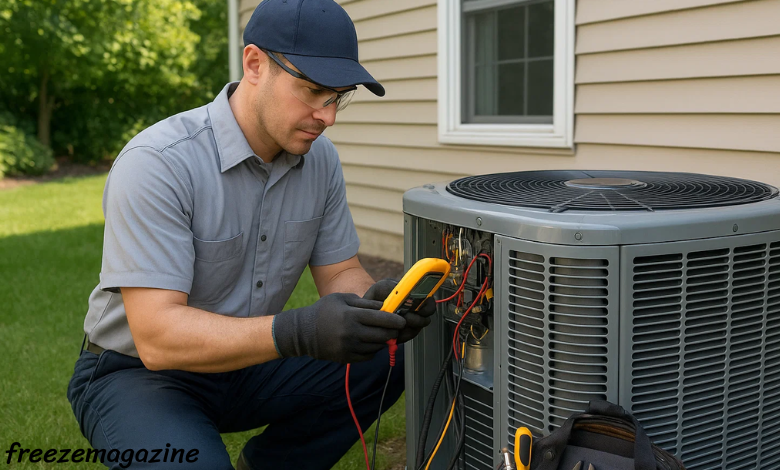
Choosing the right HVAC contractor is one of the most important decisions you’ll make for your home. Your heating, ventilation, and air conditioning system affects comfort, energy efficiency, indoor air quality, and long-term costs. A poor contractor choice can lead to frequent breakdowns, inflated energy bills, and expensive repairs.
As per research, proper installation by a qualified HVAC contractor can improve system efficiency by up to 30%.
With so many options available, how do you know which HVAC contractor is truly reliable? This comprehensive guide walks you through everything you need to consider so you can hire with confidence and protect your investment.
Understanding the Role of an HVAC Contractor
HVAC stands for heating, ventilation, and air conditioning, and a qualified contractor is responsible for managing all systems related to these functions.
An HVAC contractor manages the setup, repair, upkeep, and replacement of heating, ventilation, and air conditioning systems in homes.
Their responsibilities typically include:
- Assessing your home’s heating and cooling needs.
- Recommending appropriate HVAC systems and equipment.
- Installing furnaces, air conditioners, heat pumps, and ductwork.
- Diagnosing and repairing system issues.
- Performing routine maintenance to improve efficiency and lifespan.
- Ensuring systems meet local codes and safety standards.
Unlike a general technician who may only perform repairs, an HVAC contractor often manages entire projects, including system design, equipment selection, and compliance.
Identify Your Home’s HVAC Needs
Before hiring an HVAC contractor, it’s essential to clearly identify your home’s heating and cooling needs.
Start by identifying whether your situation involves:
- New HVAC installation for a newly built home or major renovation.
- System replacement for an outdated or inefficient unit.
- Repairs to address performance issues, noise, or breakdowns.
- Routine maintenance to improve efficiency and extend system life.
Each scenario requires a different approach, and a qualified HVAC contractor will tailor solutions based on your specific needs.
How to Choose the Right HVAC Contractor for Your Home?
Below is a practical guide to help you confidently choose the right HVAC contractor for your home.
- Verify Licensing, Certifications, and Insurance
Before hiring an HVAC contractor, it’s essential to confirm that they are properly licensed, certified, and insured according to local and state regulations. Licensing ensures the contractor meets required industry standards, while certifications—such as EPA approval for refrigerant handling—demonstrate technical competence.
- Look for Experience and Proven Expertise
Experience plays a major role in the quality of HVAC work. An established HVAC contractor is more likely to diagnose issues accurately, recommend suitable systems, and perform installations correctly the first time.
- Check Reviews and Request References
Customer feedback is one of the best indicators of an HVAC contractor’s reliability and service quality. Online reviews can highlight patterns related to professionalism, punctuality, and workmanship. In addition to reading reviews, ask the contractor for references from recent customers.
- Compare Multiple Written Estimates
Getting at least two or three written estimates allows you to compare pricing, services, and overall value. A professional HVAC contractor should provide a detailed quote outlining labor costs, equipment specifications, warranties, and timelines.
- Ask About Energy Efficiency and Proper System Sizing
A knowledgeable HVAC contractor should prioritize energy efficiency and correct system sizing. Installing a system that is too large or too small for your home can result in uneven temperatures, higher energy bills, and reduced equipment lifespan. Discuss ENERGY STAR® rated systems, load calculations, smart thermostats, and zoning options.
- Evaluate Communication and Professionalism
Clear and consistent communication is a strong sign of a reliable HVAC contractor. From the initial consultation to project completion, the contractor should be responsive, transparent, and willing to explain technical details in a way you understand.
- Review Warranties and Maintenance Plans
Reputable HVAC contractors stand behind their work with solid warranties on both equipment and labor. Understanding warranty coverage helps protect your investment and avoid unexpected expenses. Many contractors also offer maintenance plans designed to keep systems running efficiently year-round.
- Watch for Common Red Flags
Certain warning signs can indicate an unreliable HVAC contractor. Be cautious of contractors who demand full payment upfront, refuse to provide references or credentials, offer vague or verbal estimates, or pressure you into quick decisions.
Frequent Pitfalls to Avoid When Choosing an HVAC Contractor
Here are some of the common mistakes to avoid when hiring an HVAC contractor:
- Choosing Based on Price Alone
While cost is an important factor, extremely low estimates often signal poor-quality equipment, rushed labor, or hidden charges. A reliable HVAC contractor focuses on long-term value, proper installation, and system efficiency rather than cutting corners to win the job.
- Failing to Verify Credentials and Insurance
Licensed contractors meet industry and safety standards, while insurance protects you from liability in case of accidents or property damage. Always request documentation before agreeing to any HVAC work.
- Ignoring Reviews and References
Reviews provide insight into an HVAC contractor’s reliability, professionalism, and workmanship. Speaking directly with past customers can also help you understand how the contractor handles timelines, pricing, and post-installation support.
- Accepting Verbal Estimates Instead of Written Quotes
A professional HVAC contractor should always provide a detailed written estimate. Verbal agreements can lead to misunderstandings, unexpected costs, and disputes. Written quotes ensure clarity by outlining labor, equipment, warranties, and project timelines, helping protect both parties.
- Overlooking Proper System Sizing and Efficiency
Systems that are too large or too small for your home can cause uneven temperatures, higher energy bills, and premature wear. A qualified contractor performs accurate load calculations and recommends energy-efficient options for optimal performance.
- Ignoring Communication Red Flags
Poor communication early in the process often signals bigger problems later. If an HVAC contractor is unresponsive, avoids answering questions, or pressures you into quick decisions, it may indicate unreliable service. Clear, transparent communication is essential for a smooth and successful project.
- Forgetting to Ask About Warranties and Maintenance
Reputable HVAC contractors stand behind their work with equipment and labor warranties and often offer maintenance plans to keep systems running efficiently. These services help protect your investment and extend system lifespan.
Conclusion
Choosing the right HVAC contractor for your home is not a decision to take lightly. Your heating and cooling system plays a vital role in your comfort, energy efficiency, and long-term home value, and the quality of the contractor you hire directly affects how well that system performs.
By taking the time to verify credentials, evaluate experience, compare written estimates, and prioritize clear communication, you can avoid costly mistakes and ensure dependable results.
FAQs
1. How do I know if an HVAC contractor is trustworthy?
A trustworthy HVAC contractor will be properly licensed and insured, provide written estimates, have positive customer reviews, and be willing to share references.
2. Should I always choose the lowest-priced HVAC contractor?
Not necessarily. The lowest price can sometimes mean lower-quality equipment, rushed installation, or hidden costs. It’s better to choose an HVAC contractor who offers fair pricing, quality workmanship, and strong warranties for long-term value.
3. How often should my HVAC system be serviced by a professional?
Most HVAC contractors recommend professional maintenance at least once a year. Ideally, heating systems should be serviced in the fall and cooling systems in the spring to ensure optimal performance, efficiency, and reliability throughout the year.






Post Comment