7 Hidden Costs of Poor Pallet Tracking That Are Destroying US Cold Storage Profits
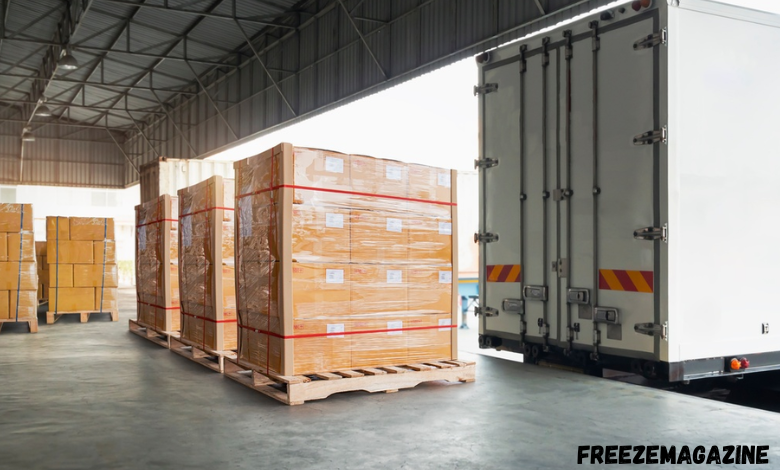
Cold storage facilities across the United States face mounting pressure to maintain operational efficiency while managing razor-thin profit margins. The complexity of tracking pallets through temperature-controlled environments creates unique challenges that extend far beyond simple inventory counts. When pallet tracking systems fail or operate ineffectively, the resulting operational disruptions cascade through every aspect of cold storage operations, creating unexpected costs that erode profitability in ways many facility managers never fully recognize.
The economic impact of inadequate pallet tracking becomes particularly severe in cold storage environments where temperature integrity, space utilization, and rapid turnover are critical success factors. Unlike ambient warehouses, cold storage facilities cannot afford extended search times, repeated handling, or inventory discrepancies that compromise product quality or regulatory compliance. The stakes are higher, the margins are tighter, and the consequences of tracking failures are more immediate and costly.
Understanding these hidden costs requires examining how pallet tracking problems create ripple effects throughout cold storage operations. From increased labor expenses to compromised customer relationships, poor tracking systems generate expenses that often remain invisible until they accumulate into significant operational losses.
Extended Labor Hours from Manual Searching and Verification
Manual searching represents one of the most immediate and costly consequences of inadequate pallet tracking in cold storage environments. When workers cannot locate specific pallets quickly, they must conduct time-consuming searches through temperature-controlled spaces where efficiency directly impacts both operational costs and worker safety. A comprehensive Pallet Inventory Management guide addresses these challenges by establishing clear protocols for tracking and verification that reduce search times and improve accuracy.
The labor cost implications extend beyond the obvious time spent searching. Workers in cold storage environments require specialized protective equipment and face physical limitations due to temperature exposure. Extended search times mean increased exposure periods, higher heating costs for break areas, and potential overtime expenses when searches delay scheduled operations. Each additional minute spent searching for pallets multiplies across shift changes, weekend operations, and peak season demands.
Compounding Effects of Verification Delays
Verification delays create cascading problems throughout cold storage operations. When workers cannot quickly confirm pallet contents or locations, they must perform additional checks that slow down receiving, storage, and shipping processes. These delays become particularly costly during peak periods when cold storage facilities operate at capacity and any slowdown affects multiple product lines simultaneously.
The verification process becomes even more complex when dealing with temperature-sensitive products that require specific handling protocols. Workers must balance speed with accuracy while maintaining cold chain integrity, creating pressure that leads to either rushed decisions or extended handling times. Both outcomes generate additional costs through either increased error rates or reduced operational efficiency.
Inventory Shrinkage Through Misplaced and Lost Pallets
Inventory shrinkage in cold storage facilities often stems from pallets that become misplaced within the facility’s complex storage systems rather than actual theft or damage. Cold storage environments typically feature multiple temperature zones, high-density storage configurations, and rapid inventory turnover that make it easy for pallets to end up in incorrect locations where they remain undetected until products expire or become unsaleable.
The financial impact of misplaced pallets extends beyond the immediate product value. Cold storage facilities often bear responsibility for inventory losses, even when the products are physically present but cannot be located within required timeframes. Customer contracts frequently include provisions for inventory accuracy that create financial penalties when facilities cannot produce specific pallets on demand.
Product Expiration During Extended Storage
Misplaced pallets frequently remain in storage longer than intended, increasing the risk of product expiration or quality degradation. Temperature-sensitive products have strict shelf life requirements that make extended storage periods costly even when products remain within acceptable temperature ranges. The facility bears disposal costs for expired products while simultaneously losing the storage revenue from those pallets.
The disposal process itself generates additional expenses in cold storage environments. Facilities must maintain proper documentation for disposed products, coordinate with waste management services, and often pay premium rates for disposal of temperature-controlled products. These costs accumulate quickly when tracking problems result in multiple instances of product loss through expiration.
Customer Service Failures and Account Management Costs
Poor pallet tracking directly impacts customer service quality in ways that create both immediate costs and long-term revenue risks. When facilities cannot provide accurate information about pallet locations, arrival times, or inventory levels, customer service teams must invest additional time in research, communication, and problem resolution. These extended interactions increase labor costs while potentially damaging customer relationships.
Customer service failures in cold storage environments often have amplified consequences because clients depend on accurate information for their own supply chain planning. Food distributors, restaurants, and retail chains make purchasing and logistics decisions based on inventory availability and timing information provided by cold storage facilities. Inaccurate information can disrupt entire supply chains, leading to financial claims and contract disputes.
Account Retention and Acquisition Challenges
Tracking problems create reputation risks that affect both customer retention and new account acquisition. Cold storage is a relationship-driven industry where operational reliability directly influences customer loyalty. Facilities that consistently struggle with pallet tracking develop reputations for unreliability that make it difficult to retain existing customers and attract new business.
The cost of replacing lost customers typically far exceeds the expense of maintaining existing relationships. New customer acquisition requires sales efforts, contract negotiations, and operational adjustments that consume resources while generating uncertain returns. Meanwhile, existing customers who experience tracking problems may reduce their storage volumes or negotiate lower rates to compensate for perceived service deficiencies.
Regulatory Compliance Violations and Associated Penalties
Cold storage facilities operate under strict regulatory oversight from agencies including the Food and Drug Administration that require detailed tracking and documentation of food products throughout the supply chain. Poor pallet tracking systems often result in incomplete or inaccurate records that create compliance vulnerabilities during inspections or when investigating food safety incidents.
The financial consequences of compliance violations extend beyond immediate fines or penalties. Facilities may face temporary shutdowns, increased inspection frequency, or requirements for additional documentation that increase operational costs. More severe violations can result in loss of certifications or licenses that effectively eliminate the facility’s ability to operate in certain market segments.
Documentation and Audit Trail Requirements
Regulatory compliance requires comprehensive documentation that tracks product movement, temperature exposure, and handling procedures throughout storage periods. Poor pallet tracking makes it difficult to maintain accurate records that satisfy audit requirements, creating risks during regulatory inspections or customer audits. The cost of maintaining manual documentation systems to compensate for inadequate tracking often exceeds the expense of implementing proper tracking technology.
Audit trail requirements become particularly complex when dealing with recalled products or food safety investigations. Facilities must be able to quickly identify affected pallets, trace their movement through the facility, and provide documentation to regulatory agencies. Inadequate tracking systems can extend investigation periods and increase facility liability during recall situations.
Insurance Claims and Risk Management Expenses
Insurance costs for cold storage facilities reflect the operational risks associated with temperature-sensitive product storage, and poor pallet tracking increases several categories of insurable risk. When facilities cannot accurately track pallet locations and conditions, they face higher exposure to product loss claims, liability disputes, and coverage gaps that result in increased premiums or reduced coverage options.
The claims process becomes more complex and expensive when facilities cannot provide detailed documentation about product handling and storage conditions. Insurance companies require comprehensive records to evaluate claims, and inadequate tracking documentation often leads to disputed claims, extended investigation periods, and potential coverage denials that leave facilities financially responsible for losses.
Risk Assessment and Premium Calculations
Insurance underwriters evaluate cold storage facilities based on their operational controls and risk management practices, with inventory tracking systems representing a significant factor in premium calculations. Facilities with poor tracking systems face higher premiums due to increased loss exposure, while facilities with comprehensive tracking may qualify for discounts or preferred coverage terms.
The risk assessment process also considers the facility’s ability to respond to emergencies or equipment failures. Accurate pallet tracking enables faster product relocation during refrigeration problems, reducing potential losses and demonstrating effective risk management to insurance providers. Facilities without reliable tracking face higher exposure during emergency situations and may struggle to qualify for comprehensive coverage.
Technology Integration and System Replacement Costs
Inadequate pallet tracking systems often require expensive integration work or complete replacement to meet operational requirements and customer expectations. The cost of upgrading or replacing tracking technology includes not only equipment and software expenses but also training, data migration, and operational disruption during implementation periods.
Technology replacement becomes particularly expensive when facilities must maintain operations during system transitions. Cold storage facilities cannot typically shut down for extended periods, requiring parallel system operation, gradual migration processes, and extensive testing to ensure operational continuity. These implementation requirements significantly increase project costs compared to initial installations.
Integration Complexity with Existing Systems
Modern cold storage operations typically involve multiple technology systems for temperature monitoring, warehouse management, customer communication, and financial reporting. Poor pallet tracking systems often lack integration capabilities that require manual data transfer or custom programming to maintain operational efficiency. The ongoing cost of managing disconnected systems includes both labor expenses and increased error risks.
Integration challenges become more complex as facilities grow or acquire new customers with specific technology requirements. Many large food distributors and retail chains require direct integration with their own inventory systems, and facilities with inadequate tracking technology may need expensive custom development or risk losing major accounts to competitors with better integration capabilities.
Opportunity Costs from Reduced Operational Capacity
Poor pallet tracking reduces effective operational capacity by creating inefficiencies that limit throughput and storage utilization. When workers spend additional time searching for pallets, verifying locations, or resolving tracking discrepancies, the facility’s ability to process incoming and outgoing shipments decreases, effectively reducing revenue potential without corresponding cost reductions.
The opportunity cost becomes particularly significant during peak seasons or when handling time-sensitive products that require rapid processing. Cold storage facilities often charge premium rates for expedited services, but poor tracking systems make it difficult to provide the speed and reliability that justify premium pricing. Lost revenue from reduced service capabilities often exceeds the direct costs of tracking problems.
Storage Density and Space Utilization Impact
Effective pallet tracking enables higher storage density through precise location management and optimized space allocation. Facilities with poor tracking often maintain lower storage density to reduce the complexity of locating specific pallets, effectively reducing revenue per square foot of storage space. This reduced utilization represents ongoing opportunity costs that compound over time.
Space utilization problems also affect customer satisfaction and retention. Many cold storage customers pay premium rates for guaranteed space availability and rapid access to their products. When tracking problems prevent facilities from maximizing space efficiency, they may struggle to meet customer commitments or may need to maintain excess capacity to compensate for operational inefficiencies.
Conclusion
The hidden costs of poor pallet tracking in cold storage facilities extend far beyond immediate operational inefficiencies, creating financial impacts that erode profitability across multiple areas of business operations. From increased labor expenses and inventory shrinkage to customer service failures and regulatory compliance risks, inadequate tracking systems generate cascading costs that often remain invisible until they accumulate into significant operational losses.
Cold storage facility managers must recognize that pallet tracking represents a fundamental operational capability rather than a simple inventory management tool. The unique challenges of temperature-controlled environments, strict regulatory requirements, and demanding customer expectations make effective tracking essential for maintaining competitive operations and protecting profit margins. Investing in comprehensive tracking systems and processes represents a necessary operational expense that pays for itself through reduced hidden costs and improved operational efficiency.
The path forward requires a systematic approach to identifying and addressing tracking deficiencies before they create costly operational problems. Facilities that proactively invest in effective pallet tracking systems position themselves for sustainable profitability while avoiding the accumulating hidden costs that continue to challenge cold storage operations across the United States.








Post Comment