Your Easy Guide to Mattress Types and What They Mean
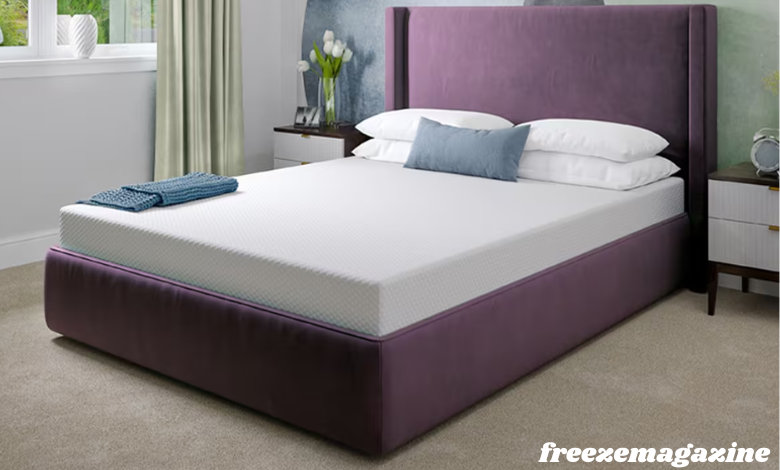
Choosing the right mattress can be a life-changing decision, and it’s often the key to achieving a good night’s sleep. With various types of mattresses available, understanding their differences is essential in making an informed choice. This guide serves as a comprehensive overview of the most popular mattress types, elucidating their features, benefits, and ideal use cases.
Whether you’re interested in a traditional innerspring mattress or a modern memory foam option, knowing what each type offers can make your shopping experience far smoother.
Different materials affect everything from comfort to support to durability, ensuring that there’s an option tailored to individual preferences and sleeping styles. For a detailed guide to mattress types, you can find many choices at MattressNextDay sleep trial, where quality and comfort meet.
Let’s dive into the various mattress types so you can identify which one suits you best.
1. Innerspring Mattresses
Innerspring mattresses are among the most classic and widely recognized types. They are constructed with a core of steel coils that provide stability and support. The coils can be configured in various ways such as continuous wires or individual pocket springs offering different levels of bounce and motion isolation. Typically, these mattresses have a layer of padding on top, made from foam, fiber, or other materials, to enhance comfort.
One of the main advantages of innerspring mattresses is their ventilation, which allows for better airflow. This makes them a good choice for those who tend to sleep hot. However, some innerspring mattresses may lack the contouring support that many side sleepers need, which could lead to pressure points. Overall, they are often more affordable but may not last as long as some of the other types available.
2. Memory Foam Mattresses
Memory foam mattresses are popular for their ability to contour to your body, providing personalized support. Made from viscoelastic foam, they respond to body heat and weight, allowing them to mold to your shape. This characteristic helps relieve pressure points, making them an excellent choice for people with joint or back pain.
Memory foam also features excellent motion isolation, meaning that if one partner moves, the other is less likely to feel it. However, traditional memory foam can retain heat, which might not be comfortable for all sleepers. To address this, many manufacturers now offer gel-infused memory foam options that help regulate temperature. If you enjoy a soft, enveloping sleep experience, memory foam may be the perfect fit for you.
3. Latex Mattresses
Latex mattresses are another popular option, available in natural, synthetic, or blended forms. Natural latex is derived from rubber trees, while synthetic latex is made from petrochemicals. These mattresses are known for their resilience, durability, and responsive feel. Latex provides a buoyant surface that supports your body without allowing you to sink too deeply, making it a good choice for back and stomach sleepers.
Moreover, latex mattresses are generally cooler than memory foam, thanks to their open-cell structure that promotes airflow. They are also hypoallergenic, making them suitable for allergy sufferers. While they tend to be more expensive than traditional foam and innerspring options, their long lifespan and eco-friendly benefits often justify the initial investment.
4. Hybrid Mattresses
By uniting innerspring structure with foam comfort, hybrid mattresses deliver a versatile, well-rounded sleep experience. They typically have a core of pocket springs for support, layered with one or more types of foam or latex on top for comfort. This combination allows them to offer both responsiveness and contouring support, making them versatile enough for various sleeping positions.
Hybrids often perform well in terms of temperature regulation, as they retain less heat than all-foam options while still providing a comforting feel. The wide range of firmness options available ensures that there is likely a hybrid mattress that will suit your specific comfort needs. If you and your partner have different sleep preferences, a hybrid can be an excellent choice as it balances support and comfort effectively.
5. Cooling Gel Mattresses
Cooling gel mattresses are an excellent choice for hot sleepers who love the feel of memory foam but need a cooler surface to sleep on. These mattresses incorporate gel-infused foam designed to absorb and dissipate heat. The gel infusion disperses warmth, helping maintain a steady, comfortable sleep temperature.
Unlike traditional memory foam, which can trap heat, cooling gel mattresses maintain a more neutral temperature while still offering the benefits of pressure relief and contouring. They often come in a variety of firmness levels, making them ideal for various sleeping positions. Whether you’re a side, back, or stomach sleeper, cooling gel mattresses may provide the comfort and temperature regulation you need for a restful night’s sleep.
6. Pillow-Top Mattresses
Pillow-top mattresses feature an additional layer of cushioning sewn onto the top to provide extra softness. This layer can be made from various materials, such as memory foam, latex, or fiber, enhancing the mattress’s overall comfort level. Pillow-top mattresses are particularly appealing to those who appreciate a plush, cushioned feel while still receiving adequate support from the underlying mattress structure.
These mattresses are generally suitable for side sleepers who benefit from extra cushioning at the hips and shoulders. However, they can be less supportive for heavier individuals or those with specific back issues, so it’s important to find the right balance in firmness. If you’re looking for a soft, luxurious feel, a pillow-top mattress may be your ideal choice.
7. Air Mattresses
Air mattresses have grown in popularity, primarily due to their ability to adjust firmness levels. These mattresses feature inflatable chambers that can be customized to suit individual preferences. Couples often find adjustable air mattresses particularly beneficial, as one side can be set differently from the other to accommodate varying needs.
While air mattresses are convenient and versatile, they might not provide the same level of support as traditional mattresses. Consumers should also consider the quality of materials used, ensuring that they are durable. If you value customization and the ability to fine-tune firmness, an air mattress could be an excellent option for your sleeping needs.
8. Organic Mattresses
Organic mattresses are crafted from natural materials like cotton, wool, and latex. These mattresses are often free from harmful chemicals and synthetic materials, giving them an edge when it comes to environmental sustainability and health. Organic mattresses are hypoallergenic and offer minimal off-gassing, making them particularly suitable for allergy-sensitive individuals.
While they may come with a higher price tag, organic mattresses tend to be more durable and comfortable over time. Additionally, they offer peace of mind for environmentally conscious consumers. If you prefer natural, eco-friendly options that don’t compromise on comfort, an organic mattress is worth considering.
Making Your Mattress Choice
When choosing a mattress type, it’s essential to consider your sleeping position, comfort preferences, and any special needs you may have. Whether you’re a side, back, or stomach sleeper, understanding how different materials respond to your body will help you make a well-informed decision. Additionally, be sure to check for trial periods and return policies, allowing you to test the mattress in your own home before fully committing.
By understanding the various mattress types and what they offer, you can confidently select a mattress that will improve your sleep quality and enhance your overall well-being.
FAQs
What mattress type is best for back pain?
Memory foam and latex mattresses provide excellent support and pressure relief, making them popular choices for alleviating back pain.
How often should I replace my mattress?
Most manufacturers recommend replacing your mattress every 7-10 years, but this can vary based on material quality and wear.
Are hybrid mattresses a good choice for couples?
Yes, hybrid mattresses offer a balance of support and comfort, making them suitable for couples with different sleep preferences.
What is the longest-lasting mattress type?
Latex mattresses are known for their durability and can last significantly longer than other types if properly cared for.
Do I need a box spring with my new mattress?
This depends on the type of mattress. Innerspring mattresses typically require a box spring, while foam and latex options can often be used on a platform or slatted bed frame.
Conclusion
Navigating the world of mattress types can feel overwhelming, but understanding the unique features and benefits of each option can simplify your decision-making process. Whether you prefer the classic feel of an innerspring mattress, the contouring comfort of memory foam, or the ecological advantages of organic materials, there’s a type that fits your needs.
A good night’s sleep is essential for your health and well-being, so take the time to explore your options. By consulting this easy guide to mattress types, you can make an informed choice that leads to greater comfort and restful nights. Don’t forget to check out the wide range of [MattressNextDay mattresses] available to find the perfect fit for you.







Post Comment