What You Really Do on the Camino de Santiago Each Day
The Camino de Santiago is wrapped in stories about transformation, spirituality, and emotional breakthroughs.
But when you look at the day-to-day reality, the experience is much simpler. You wake up, you walk, you stop in small villages, and you follow a routine that repeats in a predictable way. The scenery changes, the people change, and the towns change, but your daily structure stays steady. If you want a clear, realistic look at what you actually do on the Camino each day — without romanticizing it — this is what the experience looks like in practice.
You Wake Up Early Because Everyone Else Does
Most days begin between six and seven in the morning, not because you want to be especially disciplined, but because the albergues come alive early. People pack their bags, adjust their boots, rustle around the dorm, and turn on lights. Breakfast is simple and quick, often just coffee, toast, pastries, or fruit. Even if you’re someone who normally sleeps late, the Camino sets a new rhythm for you. By the time the sun rises, most pilgrims are already out the door and moving toward the next village.
You Walk a Steady Pace for Several Hours
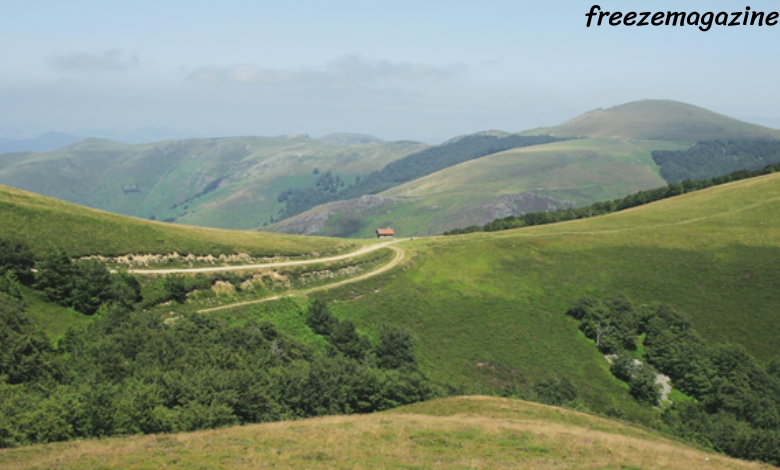
The walking itself is not complicated. There are no technical sections on the standard Camino routes, and the terrain rarely presents surprises. You walk along paths, gravel tracks, quiet roads, and occasional forested sections. The markings — yellow arrows and scallop shells — appear frequently enough that you spend almost no time worrying about navigation.
The movement becomes automatic. You look ahead, follow the path, and settle into your own rhythm. Most people walk between fifteen and twenty-five kilometers per day, but the actual pace is flexible. The routine becomes more about consistency than speed.
You Stop Often Without Thinking About It
One of the most defining features of the Camino is how many small villages sit along the route. Every few kilometers, you reach a café, a bar, a bakery, or a bench outside a church. You don’t need to plan your breaks. The landscape provides natural stopping points. You step inside for coffee, refill your water, or buy a sandwich. You sit outside for a moment, watch other walkers pass, and then continue.
These stops are casual and frequent. Even people who think they won’t stop much quickly fall into the habit, because the villages naturally break the day into manageable segments. You walk a little, rest a little, and repeat.
You Talk to People or Walk Alone Depending on the Moment
The Camino has a natural social flow. Some days you talk to several hikers without planning it. Other days you barely speak at all. Conversations start easily — someone matches your pace, comments on the weather, or asks where you started that morning. You may walk together for ten minutes or for two hours. Eventually the pace shifts, and you separate without ceremony.
There is no pressure to socialize. The trail allows both connection and solitude. What you really do is move between both states depending on your energy and mood. The Camino creates an environment where either option feels natural.
You Arrive in the Next Town in the Early Afternoon
Most pilgrims finish walking between one and three in the afternoon. This isn’t a rule; it’s simply what happens when you start early and walk steadily. Reaching a town mid-afternoon gives you time to check into an albergue, claim a bed, and take a shower before the busiest crowds show up.
Arriving early also gives your body time to recover before the next day. You wash clothes, rest your feet, stretch, and let your muscles calm down. If you arrive later, the same routine happens — just with a little more fatigue.
You Handle Simple Chores in a Predictable Sequence
Once you arrive, the routine becomes practical. You shower. You wash your clothes in a sink or machine. You hang them to dry. You check your feet for any blisters. You buy water or small groceries. You look up tomorrow’s stage. The entire afternoon is built around preparing your body and gear for the next day’s walk.
These chores aren’t glamorous, but they’re a central part of the Camino. If you’re expecting dramatic spiritual moments at every turn, you’ll find instead a very ordinary routine built around staying comfortable and functional.
You Explore the Village, But Only Lightly
You don’t become a tourist on the Camino, even when you walk through historic towns. You move through these places with limited time and energy. You might visit a church, sit in a plaza, buy groceries, or walk around for a few minutes, but you rarely dive deep into sightseeing.
Most people simply get a sense of each town without spending hours exploring. The villages feel like part of the flow rather than destinations to unlock. You see them, you experience them briefly, and then they become part of the background of the journey.
You Eat a Simple Dinner and Go to Bed Early
Dinner is usually a pilgrim menu offered by local restaurants. It includes a starter, a main, dessert, water, and wine. The food is basic but filling, and the atmosphere is relaxed. You eat with people you met earlier on the trail or sit alone if you prefer. After dinner, you might chat briefly, take a slow walk through the village, or write a few notes about your day.
By nine or ten in the evening, most pilgrims are in bed. The early mornings and consistent walking make late nights rare. Even if you want to stay up later, the pace of the Camino encourages sleep long before the sun fully sets.
You Repeat the Routine the Next Morning
The Camino builds its impact through repetition. Every day looks similar on the surface: early start, steady walking, village stops, afternoon arrival, chores, dinner, rest. But the scenery changes, the towns change, and each day brings small differences in people, weather, or energy levels.
This repetition is what makes the Camino feel manageable. You don’t need to reinvent your strategy each morning. The structure does the work for you.
You Don’t Need Advanced Planning Because the System Supports You
One of the reasons people choose the Camino is that it removes most of the pressure from long-distance walking. Villages appear frequently. Food is always available. Beds can be found in albergues or booked ahead if you prefer. The trail stays clear. The distances are reasonable. If you do want more structure, organized options such as Camino de Santiago tours offer extra support while keeping the same predictable daily rhythm.
Why the Daily Routine Matters More Than the Myth
The Camino has its stories, symbols, and larger meaning, but what you really do each day is walk steady distances, follow an established routine, and move from one village to the next. You don’t conquer remote terrain or face extreme conditions. You simply maintain a pace and let the journey unfold at ground level.
That’s what makes the Camino accessible. And that’s why the daily routine — simple, predictable, and surprisingly grounding — is the part most people remember long after they finish.







Post Comment