What Makes Preservation Rhinoplasty in London a Preferred Option
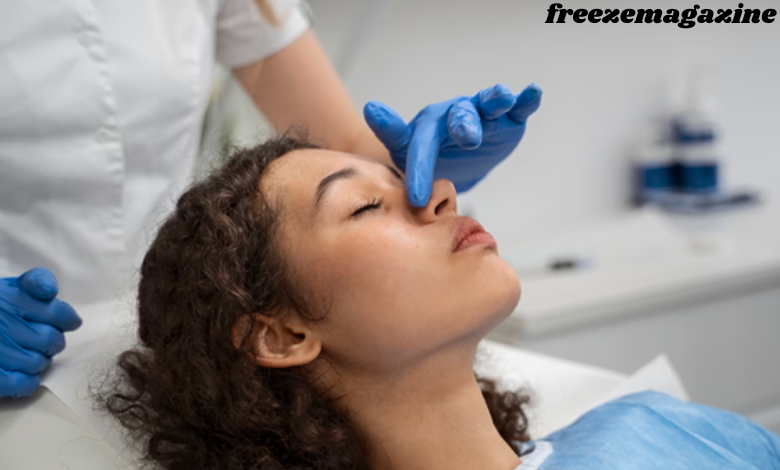
Preservation rhinoplasty has become a preferred approach for many individuals seeking nasal refinement in recent years. This technique focuses on maintaining the natural structures of the nose while creating balanced, harmonious improvements. For patients exploring preservation rhinoplasty in London, the appeal lies in its gentle, structurally mindful approach that often results in faster healing and a more natural-looking outcome.
At the same time, clinics specialising in ethnic rhinoplasty in London are adopting preservation methods to provide culturally sensitive results that honour individual heritage while refining nasal shape. This article explains why preservation rhinoplasty is growing in popularity, what benefits it offers, and how it supports predictable, safe, and aesthetically balanced outcomes.
Understanding Preservation Rhinoplasty
Preservation rhinoplasty is a modern approach designed to reshape the nose while keeping as much of the original anatomy intact as possible. Instead of removing or aggressively altering cartilage and bone, surgeons focus on reshaping and repositioning structures.
This technique contrasts with traditional rhinoplasty, which often relies on removing significant amounts of cartilage or bone. Preservation rhinoplasty prioritises the natural strength and contour of the nose to achieve subtle refinements.
Why Patients Choose Preservation Rhinoplasty
Many individuals prefer preservation rhinoplasty because it combines precision with respect for existing nasal features. As a result, it has become one of the most requested techniques in London clinics.
Benefits of Preservation Rhinoplasty
Several features make this method appealing to patients:
- Natural-looking results: Because the structural integrity of the nose is maintained, the final appearance tends to blend seamlessly with the patient’s facial features.
- Reduced swelling: Many patients experience less post-operative swelling compared to traditional methods.
- Faster recovery: Healing may be more comfortable due to reduced trauma to bone and cartilage.
- Stable long-term outcomes: Maintaining natural support structures helps prevent complications such as nasal collapse over time.
These advantages make preservation rhinoplasty an attractive option for individuals wanting subtle yet impactful changes.
How Preservation Rhinoplasty Is Performed
Surgeons performing preservation rhinoplasty in London focus on adjusting shape through internal restructuring rather than removal. Key methods used include:
Dorsal Preservation
Instead of cutting or removing the nasal hump, surgeons lower it by adjusting deeper structures while leaving the outer surface intact. This maintains the natural slopes and profile.
Minimal Cartilage Modification
Rather than aggressive trimming, cartilage is gently reshaped to improve tip definition without excessive structural changes.
Ligament Preservation
Preserving natural ligaments helps maintain stability, supporting long-lasting results and reducing the risk of aesthetic distortion over time.
These steps allow surgeons to refine the nose while keeping the essence of the patient’s natural anatomy.
Cultural Sensitivity in Ethnic Rhinoplasty
For individuals considering ethnic rhinoplasty in London, preservation techniques bring added benefits. Patients from diverse backgrounds often prefer improvements that maintain their cultural identity. Preservation rhinoplasty supports this by focusing on refinement rather than drastic alteration.
Considerations in Ethnic Rhinoplasty
Ethnic rhinoplasty requires a thorough understanding of unique anatomical features, which may include:
- Thicker skin in some ethnic groups
- Distinct cartilage shapes
- Variations in bridge height
- Differences in nasal width and tip definition
Surgeons skilled in preservation methods can refine these features gently while respecting cultural characteristics that patients often wish to maintain.
Why London Clinics Are Turning to Preservation Techniques
Many London clinics now embrace preservation rhinoplasty because it aligns with modern standards of subtle, natural enhancement. Patients increasingly seek outcomes that do not dramatically alter their identity but instead improve harmony and balance.
Specialist Training
Preservation rhinoplasty requires advanced training and precision. London surgeons often undergo specialised courses to master techniques such as dorsal preservation and ligament support.
Patient Demand
The preference for natural results continues to increase, making preservation rhinoplasty an ideal choice for patients prioritising authenticity.
Versatility
Preservation techniques can be used for various nasal concerns, including:
- Mild to moderate humps
- Drooping tips
- Asymmetry
- Refinement needs in ethnic rhinoplasty
Its adaptability contributes to its growing popularity across the city.
What Patients Can Expect from the Procedure
While every patient’s experience may vary, preservation rhinoplasty generally offers a straightforward process from consultation to recovery.
Comprehensive Consultation
Surgeons assess the nose’s structure, discuss aesthetic goals, and determine whether preservation techniques suit the patient’s needs. For those undergoing ethnic rhinoplasty in London, additional consideration is given to cultural preferences and anatomical variations.
Personalised Treatment Planning
Treatment plans focus on enhancing facial harmony while maintaining natural nasal features.
The Procedure
Preservation rhinoplasty is typically performed under general anaesthesia. Depending on the complexity of the case, the surgery may take several hours.
Recovery
Patients often experience:
- Less swelling compared to traditional methods
- Shorter downtime
- Gradual improvements as healing progresses
Most individuals are able to return to light activities sooner than expected due to the gentle surgical approach.
Long-Term Outcomes
Preservation rhinoplasty provides stable, lasting results because it keeps the structural foundation of the nose intact. Over time, patients often appreciate:
- Consistent support of cartilage and ligaments
- Better preservation of nasal function
- Long-term stability with minimal aesthetic distortion
These outcomes make it a dependable option for those seeking refinement without dramatic alteration.
Who Is an Ideal Candidate
Preservation rhinoplasty suits a wide range of patients, including those seeking cultural refinement through ethnic rhinoplasty in London. Ideal candidates typically:
- Want natural changes rather than major reshaping
- Have a stable nasal structure suitable for preservation techniques
- Are seeking refinement of the bridge or tip
- Wish to maintain their unique identity
- Understand the expected recovery and long-term changes
Early consultation helps determine whether preservation rhinoplasty is appropriate for each individual’s goals.
Final Thoughts
Preservation rhinoplasty in London has become a preferred option because it offers a refined, natural, and stable approach to nasal enhancement. By maintaining the nose’s original structure and reducing surgical trauma, this technique supports quicker recovery, natural-looking outcomes, and long-term stability.
For individuals seeking ethnic rhinoplasty in London, preservation methods provide culturally sensitive refinement while safeguarding features that reflect personal identity. Together, these benefits make preservation rhinoplasty an increasingly popular choice among patients who value subtle improvement, structural integrity, and results that stand the test of time.






Post Comment