Understanding Types of Inventory Control in Modern Manufacturing Automation
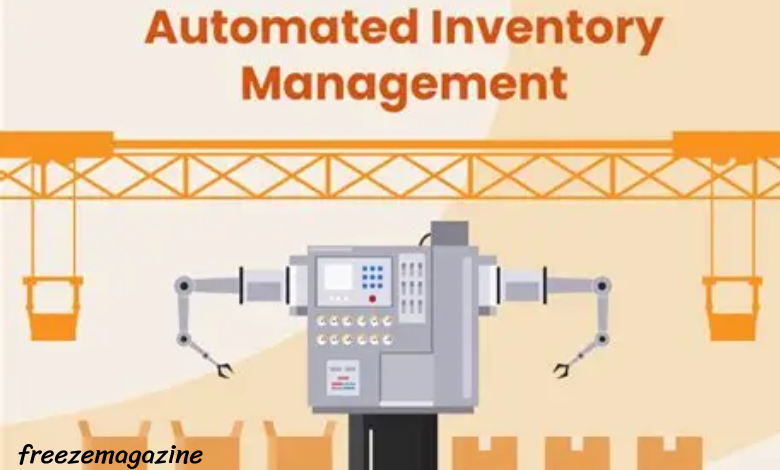
Inventory control represents a significant function of supply chain management, and it entails the management and control of the movement of inventory in business operations. Inventory control helps to ensure the optimal level of inventory in the business, and this helps to reduce the costs associated with inventory. Using different inventory control approaches helps a business to optimize the level of its inventory, increase efficiency, and improve customer satisfaction. This article highlights the various approaches of inventory control, the significance of the approaches, the categorization of different inventory control approaches, and the procedures to follow when executing inventory control approaches.
What is Inventory Control Management?
A smart inventory management control is a technology-based solution that aims to monitor, track, and control inventory processes with increased efficiency and accuracy. While traditional inventory control management is based on a high degree of human intervention, the smart solution takes a much more sophisticated approach. The smart solution incorporates technology, accuracy, and forecasting. It makes sure that businesses have the right products available when they need them.
At the end of the day, efficient inventory management will ensure that companies are making data-driven decisions and stay responsive to the entire value chain. By this virtue, companies will avoid the problem of overstocking and stock outages. This is very important for the company to run effectively and meet the expectations of the customers.
What Are the Risks Associated with Automating Manufacturing Production?
- Job Changes- Automation in factories might cause job changes because of changes in the skills needed. One negative consequence of using automation to improve manufacturing production is that industries will not need as many people. This might cause job changes.
- Initial Investment- The initial investment that will be required to set up an automated factory is very high. The initial investment involves the cost of acquiring the machinery and the cost of training the workforce to operate the machinery.
- Lack of Flexibility– The automated machines are designed for performing particular tasks, and they may not be flexible enough to adjust to production changes and unforeseen circumstances.
- Limited Creativity- It may restrict creativity in the production process because machines must work in a controlled environment as per the given instructions.

Types of Inventory Control in Modern Manufacturing Automation
1. ABC Analysis- The ABC analysis segments the items in an inventory into three groups depending on their value and importance. ‘A’ items represent items of great value and importance that must be controlled carefully. Then there are ‘B’ items that require monitoring. ‘C’ items, on the other hand, require minimal attention.
2. Just-in-Time (JIT) Inventory- JIT inventory management is geared towards minimizing inventory by ordering and/ or manufacturing products just-in-time as they are required. This is essentially beneficial because it assists in inventory waste minimization, increased effectiveness, and reduces carrying costs.
3. Economic Order Quantity (EOQ)- The formula-based model of EOQ determines the optimal order quantity based on calculations of minimizing inventory cost. This model relies on ordering costs, inventory costs, and variability of demand.
4. Batch tracking- Batch tracking involves the use of unique identifiers for batches of inventory to monitor the movement of the inventory. It applies to industries that require high-quality control standards and recall processes.
5. First In, First-Out- FIFO is a technique of inventory valuation that assumes that the oldest goods available in the inventory get sold first. This technique ensures that perishable goods that have a shelf life beyond which they become obsolete get consumed before new goods arrive.
6. Just-in-Case- JIC inventory management practice relates to keeping a certain amount of safety stock or buffer inventory. Though there is an increase in the carrying cost with JIC inventory, it protects against fluctuations.
7. Vendor-Managed Inventory- VMI is a combined inventory management system in which the supplier keeps tabs on the level of the items at the site of the customer and resupplies them accordingly. This type of system shifts the responsibility of inventory management to the supplier.
What are the Benefits of Manufacturing Automation?
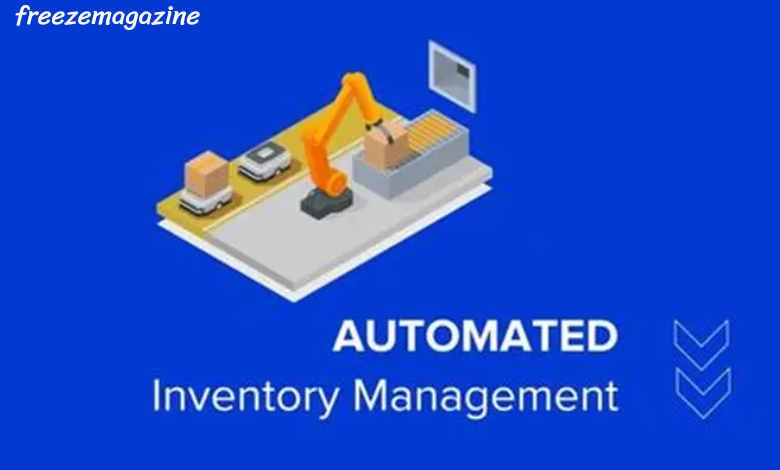
The impact of automation is not merely with regard to enhanced production. It is the diminished costs of operation, better product quality, as well as enhanced safety standards. Such factors lead to increased efficiency. Other factors, unrelated to the manufacturing domain itself, further provide advantages of automation. They include immediate information gathering.
- Reduced operational expenses- Robots and other forms of automated technology are more efficient and accurate than human labour. This cuts down on the costs of manufacturing. Although there are costs associated with using these technological resources, companies are getting a return on investment much faster, in as little as one to three years, compared to five to eight years between the 1980s and 2020s.
- Better Quality of Product- As there are minimal possibilities of human error being made, automation also leads to a better quality of products and reduced defects. Automated quality checks enable the manufacturer to further reduce errors being made during the course of production. The products are also safe for consumers, saving the manufacturer from negative publicity, penalties, or recall of products.
- Enhanced workplace safety- The same processes and approaches that are put into creating the very best products are also conducive to having safe workplaces. Historically, the manufacturing industry has had inherent dangers that involve placing people in proximity with heavy machinery and chemicals. Automation reduces the threats to workplace safety.
- Less production waste- Inconsistent or manual production methods can lead to production of low-quality or defective units, all of which result in material wastage. Automation can minimize this wastage by producing quality units.
- Increase in productivity- Robots and automated machines, as well as software, never take a break, which means that they are able to produce twice as many items as humans can produce in the same amount of time. This allows organizations to be able to produce as many items as desired or as the market requires. The variation that comes with human productivity increases errors in forecasting and prediction.
- Better Data Collection- Data is collected and analyzed in real-time by automatic systems that make use of IoT sensors, robots, and technologies. Data collected by such systems offers insights to manufacturers on the operations of the factory, which empowers them to make smarter business decisions.
- Better resource management- With automation technology, various processes are interconnected so that the manufacturer can optimize their expenses and resources, especially human resources. Additionally, they are able to analyze the vast amount of data they have access to and look into the areas where changes need to be made, some of which they can achieve through automation. In this way, they can ensure the continuity of the product supply by implementing dynamic changes upon realizing a lack of resources needed for production.
- Happier Customers- Automation helps manufacturers to produce goods of good quality in adequate quantities to cater to demand on time, which ultimately translates to increased customer satisfaction. Those companies that manage to build a reputation of being a reliable source of supply strengthen their reputation and customer bases.
Conclusion
Organizations around the globe have started to adopt smart inventory management systems, as they are considered a major force behind the efficiency of the operations and customer satisfaction processes.







Post Comment